Unknown's avatar

The Great Allegheny Passage: Rural to Urban

This is my fourth and final blog post about our bike trip on the Great Allegheny Passsage, a 150 mile Rail Trail that runs between Cumberland, MD to Pittsburgh, PA. The first two posts, here and here, are from the first 75 miles, ridden in the Fall of 2025. The third post is about the Art and History of the GAP. If you are just learning about the trail, check out the GAP Trail website and learn about how you, too, can enjoy a great adventure – whether by foot or by bicycle.

On our third day, we rode 45 miles from Ohiopyle, PA to Smithton, a small rural town in Pennsylvania, population 400. On this, our final day on the GAP, we only had a 30 mile ride to get to Pittsburgh, population 2.2 million (in the Pittsburgh Metropolitan Statistical Area).
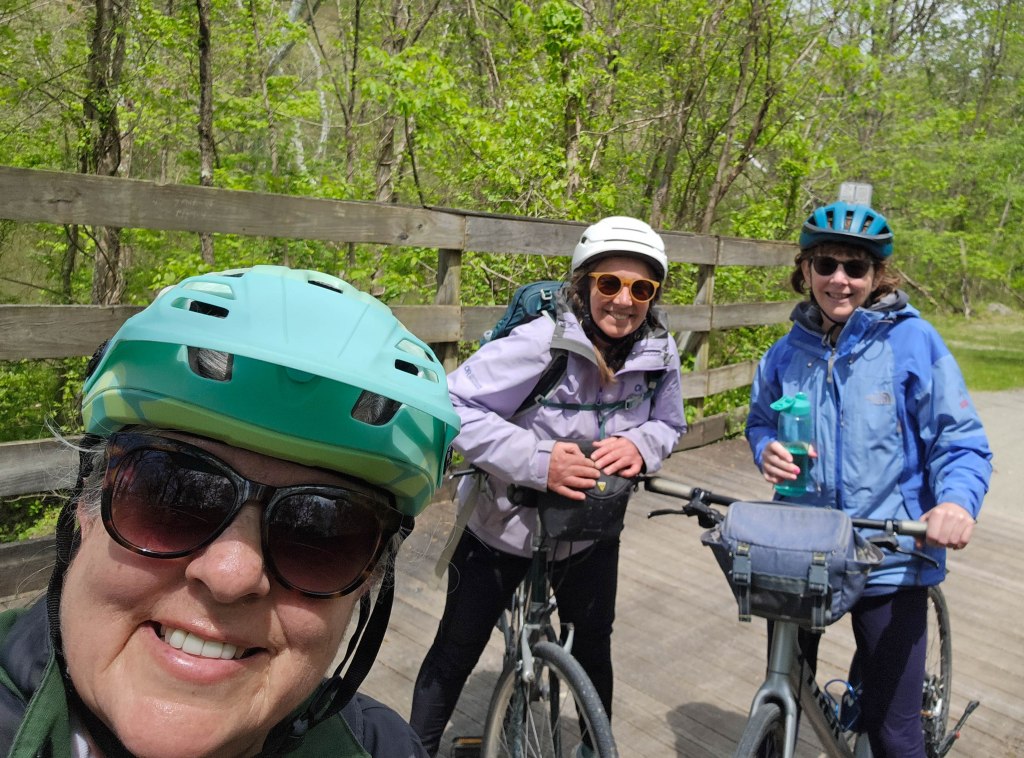
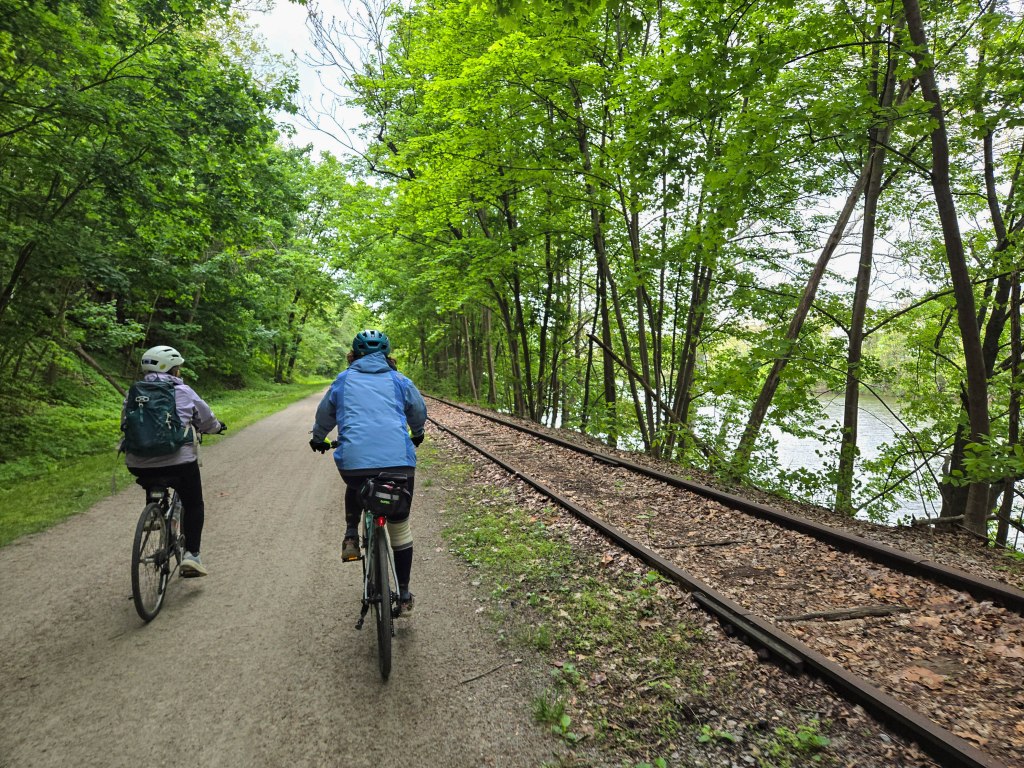
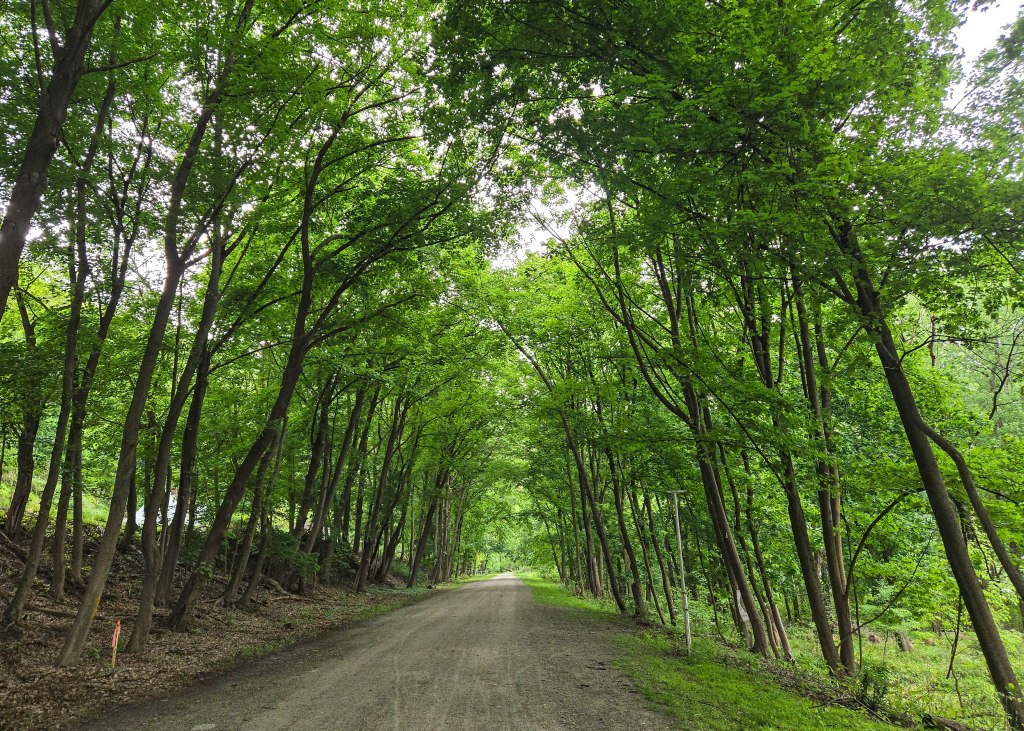
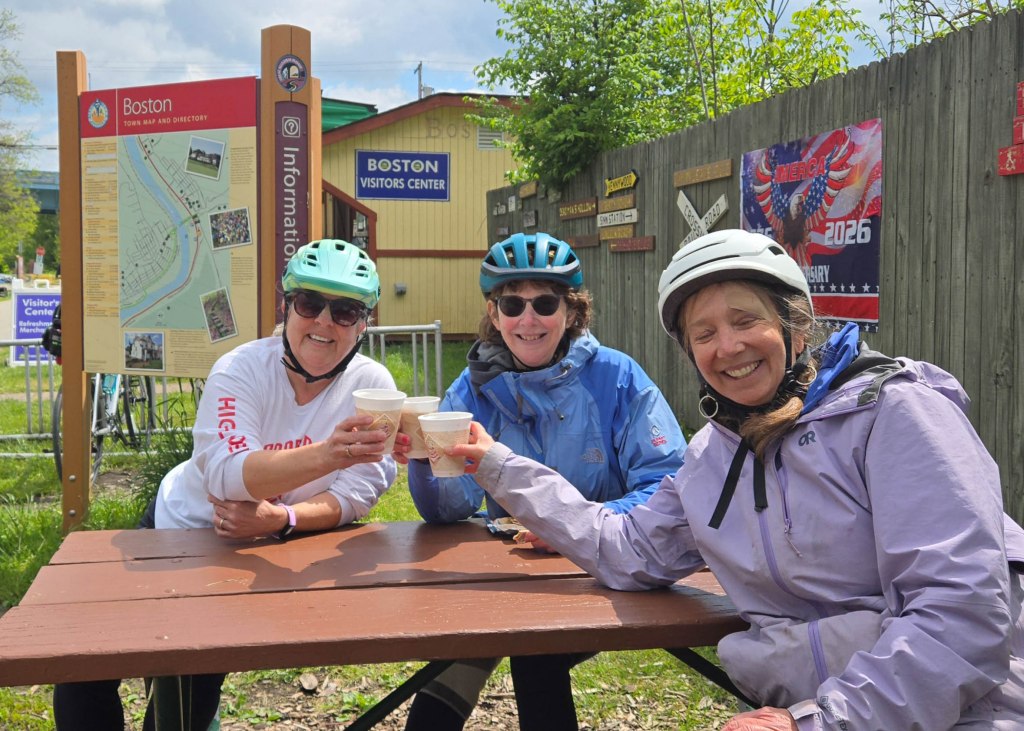
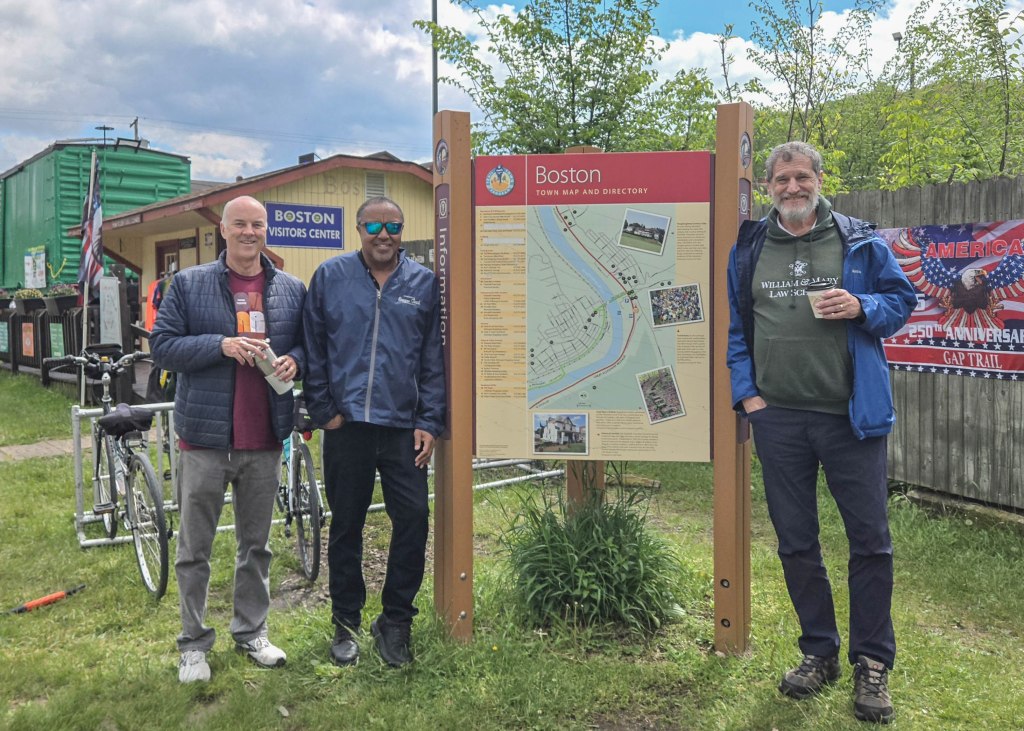
The first 15 miles found us following a tree lined rail trail (we called it a “cathedral of trees” – see first photo), riding through small rural communities. We met our support crew for coffee and hot chocolate at a tiny little visitors center in Boston, PA.
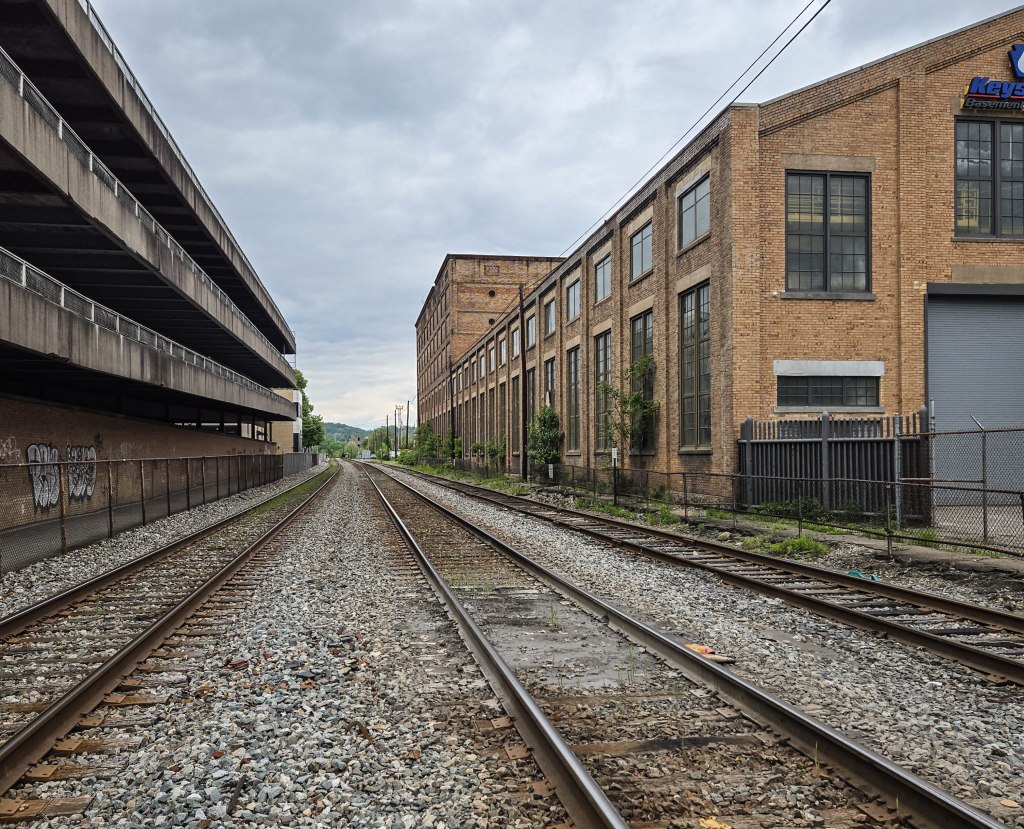
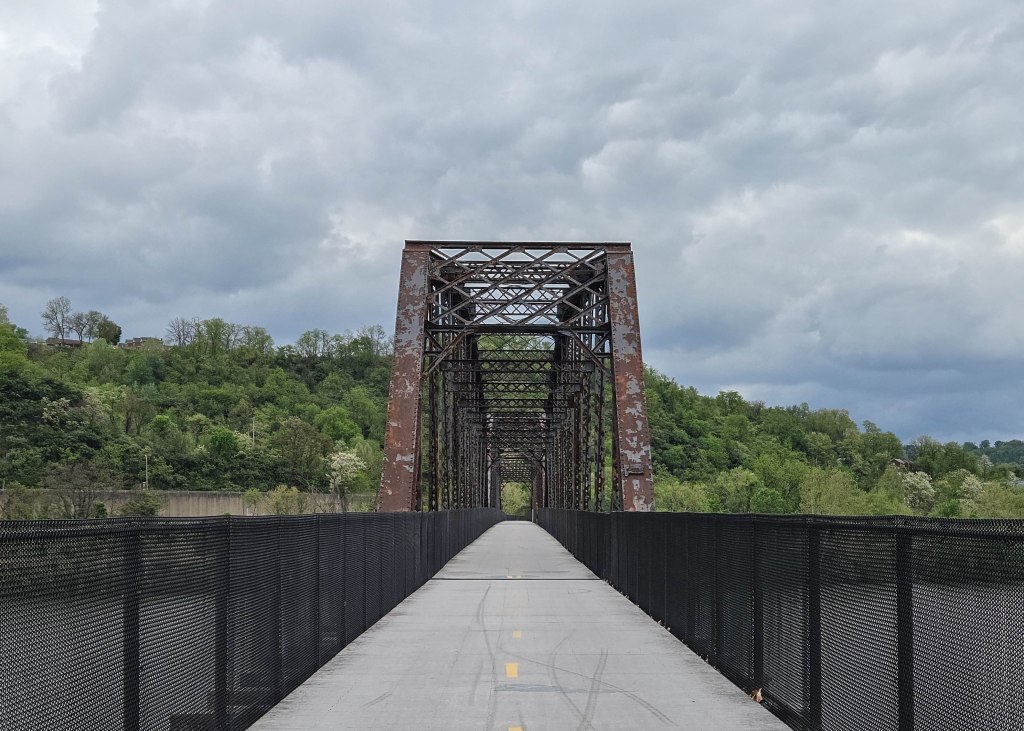
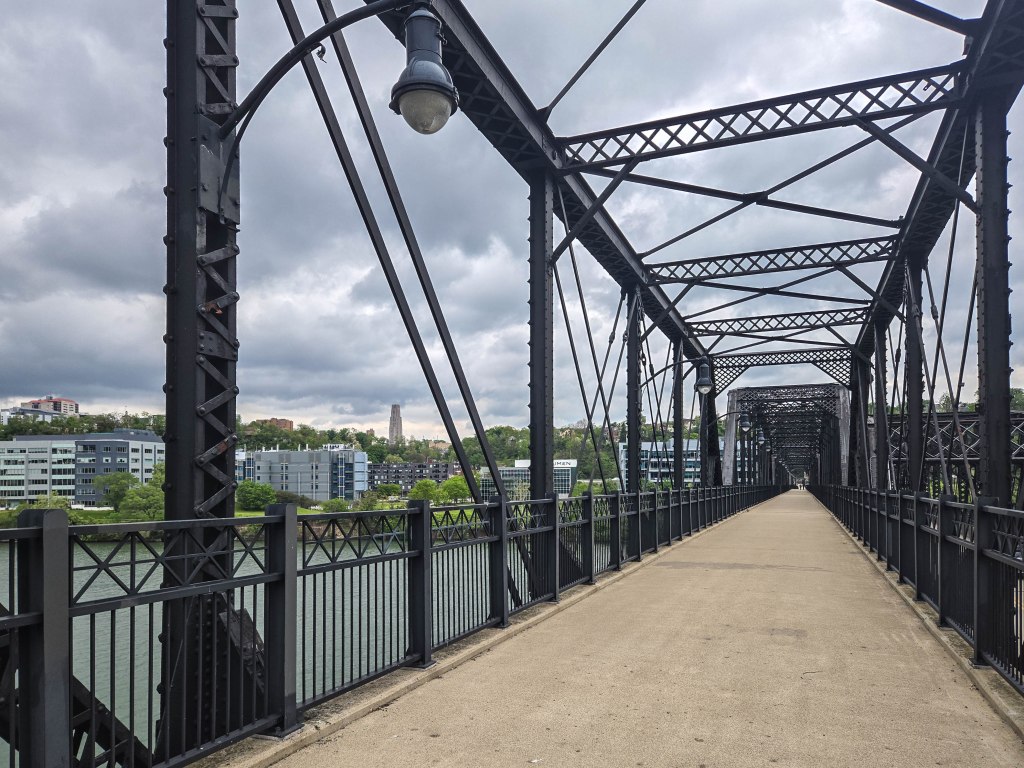
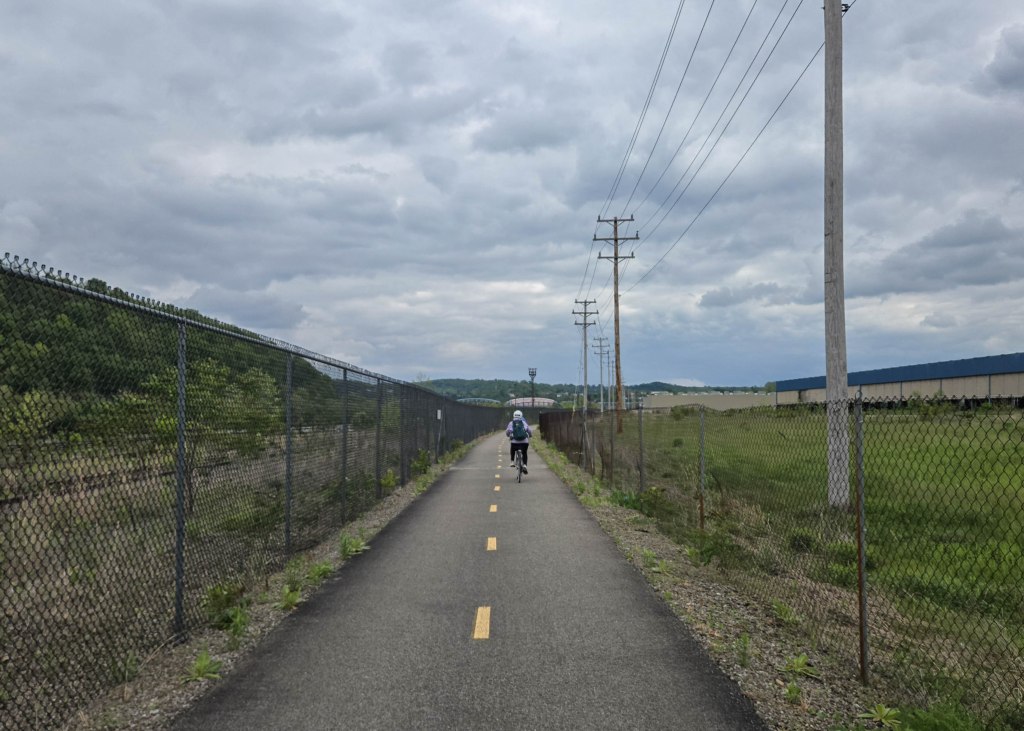
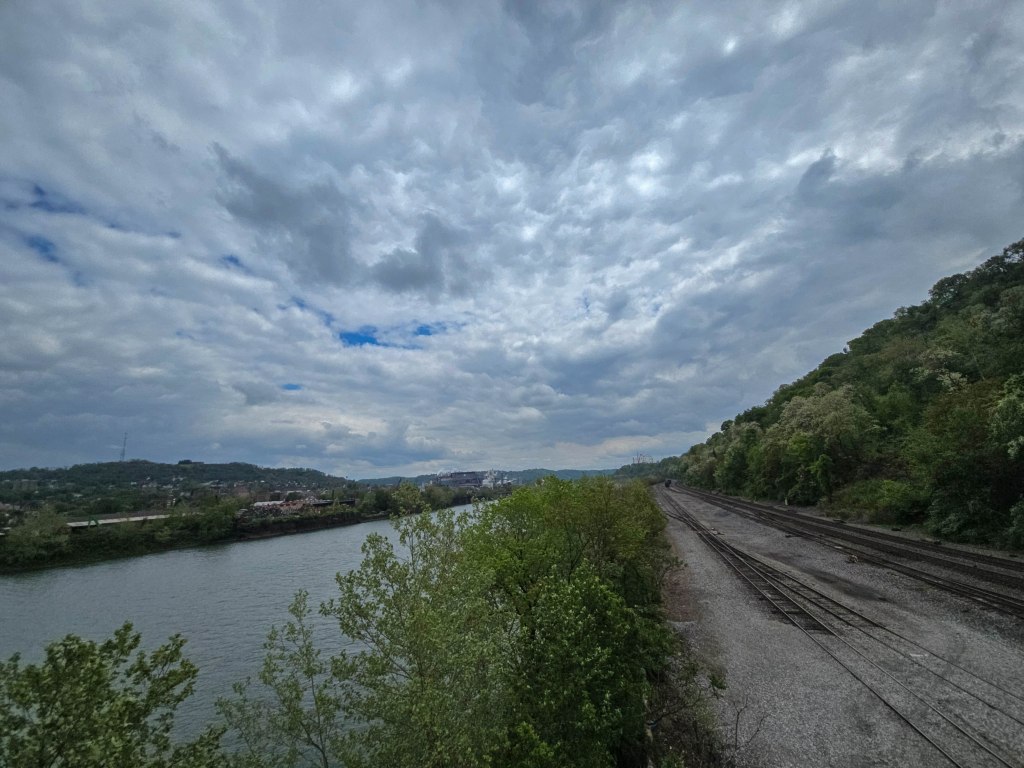
Soon enough though, we began to see signs of larger, urban communities, and we enjoyed the changing scenery. The cloudy day made for a great contrast against the railroad tracks and steel trestles.
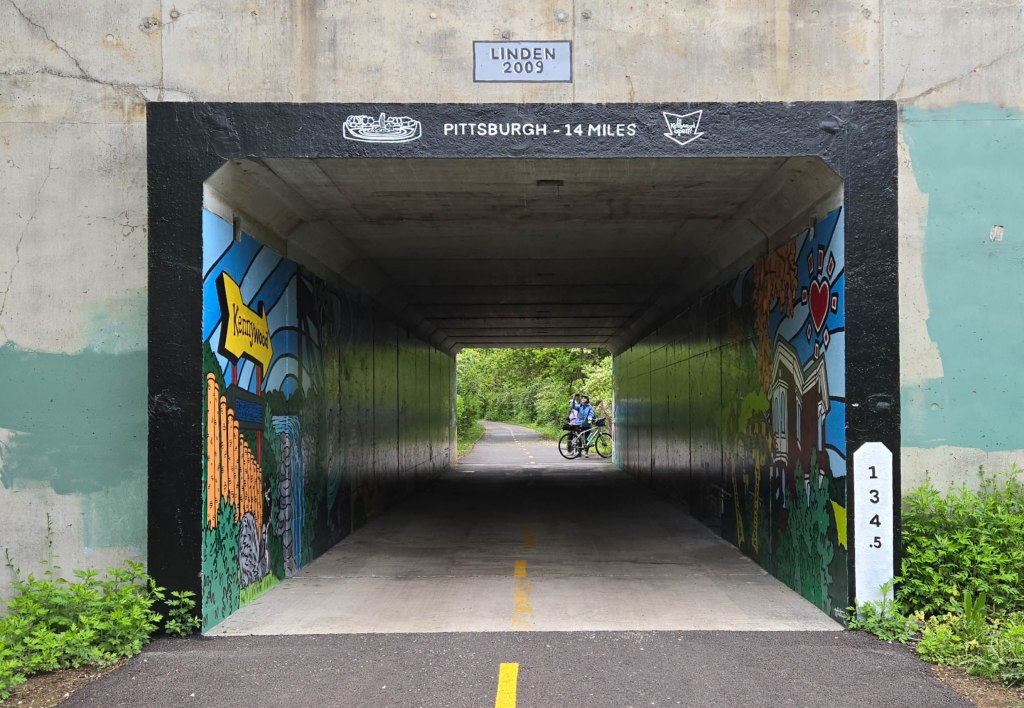
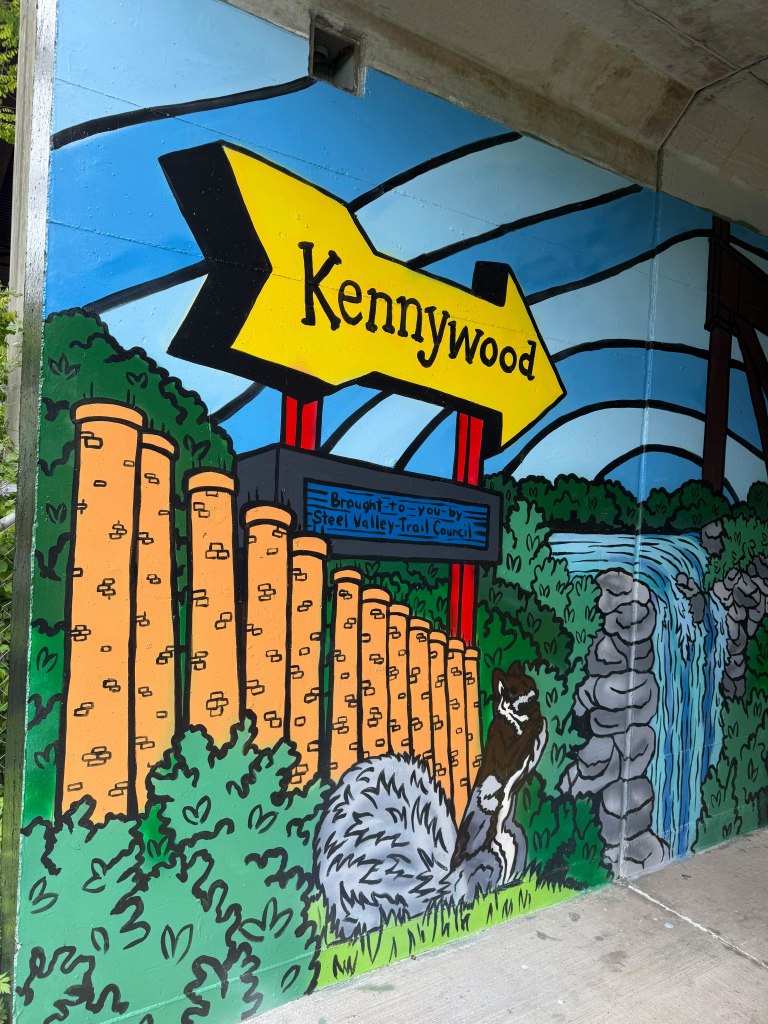
The Linden Tunnel is a 63-foot-long, 8-foot-high concrete structure located in Duquesne, Pennsylvania. The tunnel walls were adorned with gorgeous, colorful murals (mural photo by Ruth).
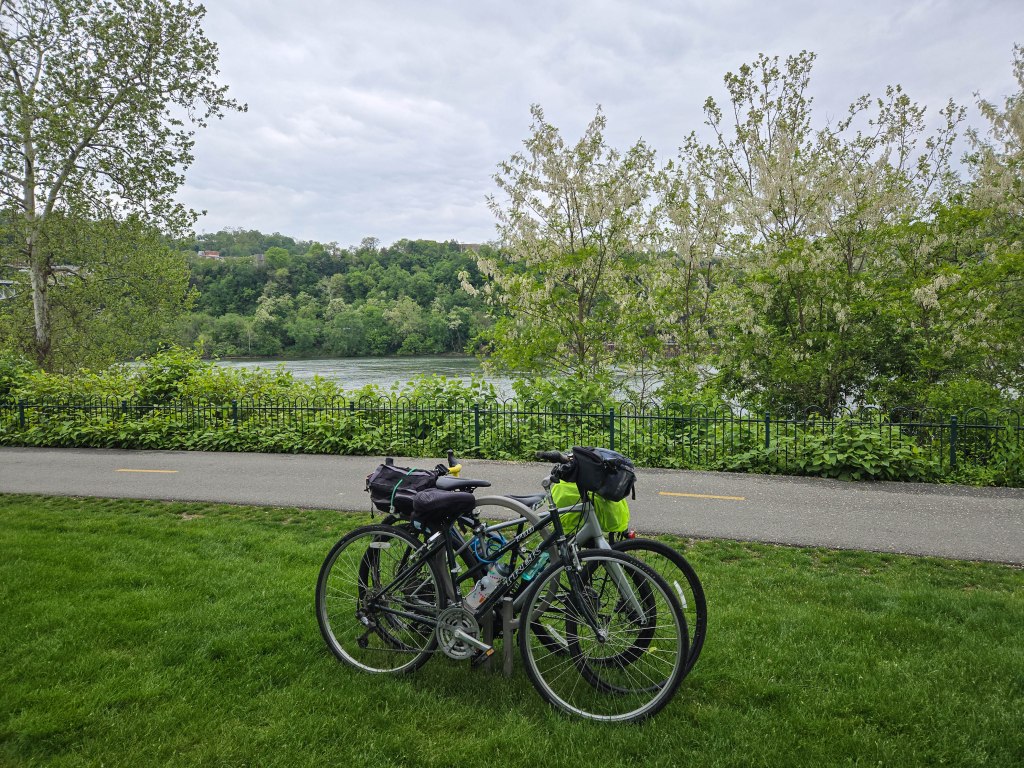
After a quick stop for lunch in Homestead, located along the Monongahela River, we got back on the bikes and rode onward to Pittsburgh.
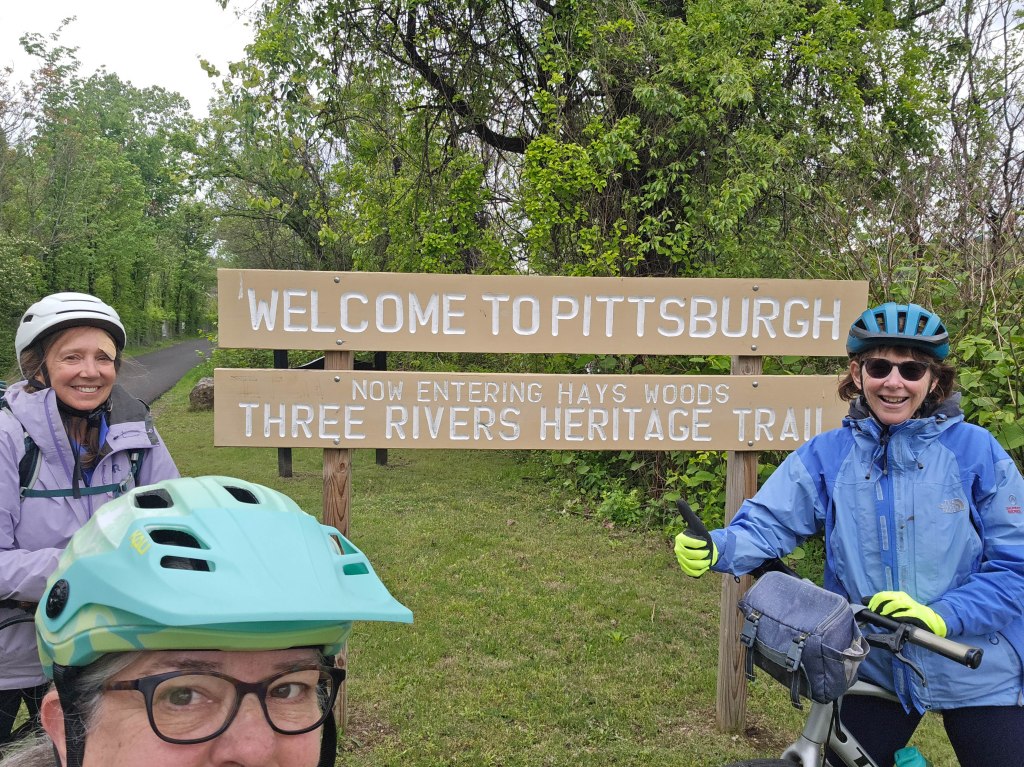
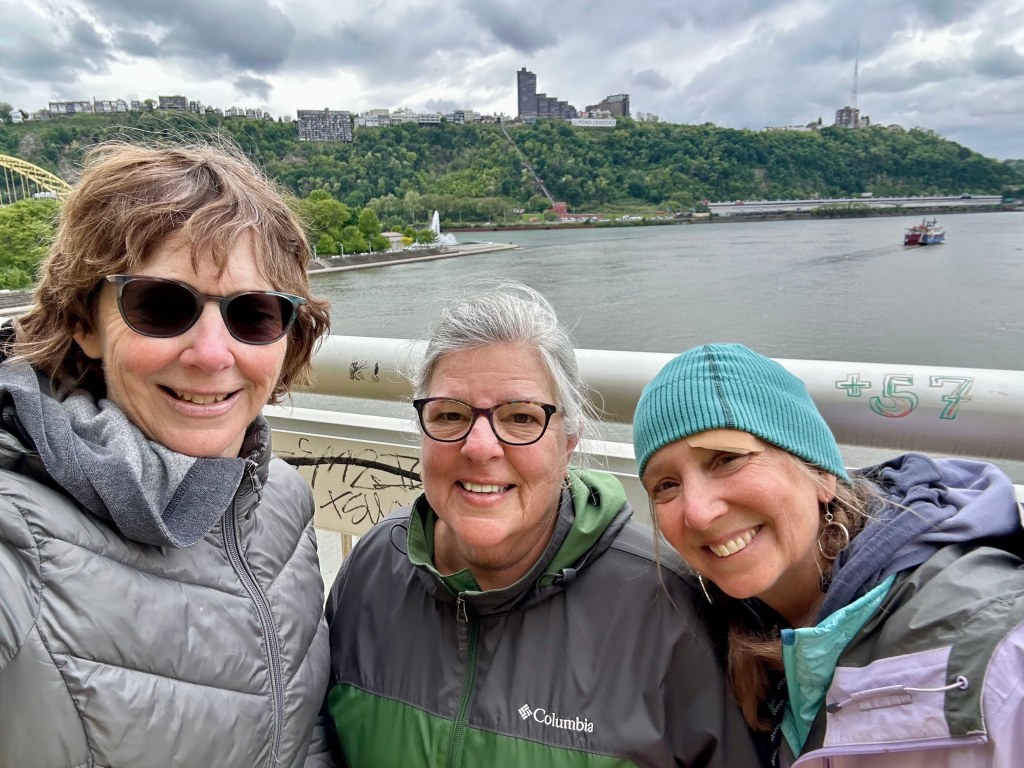
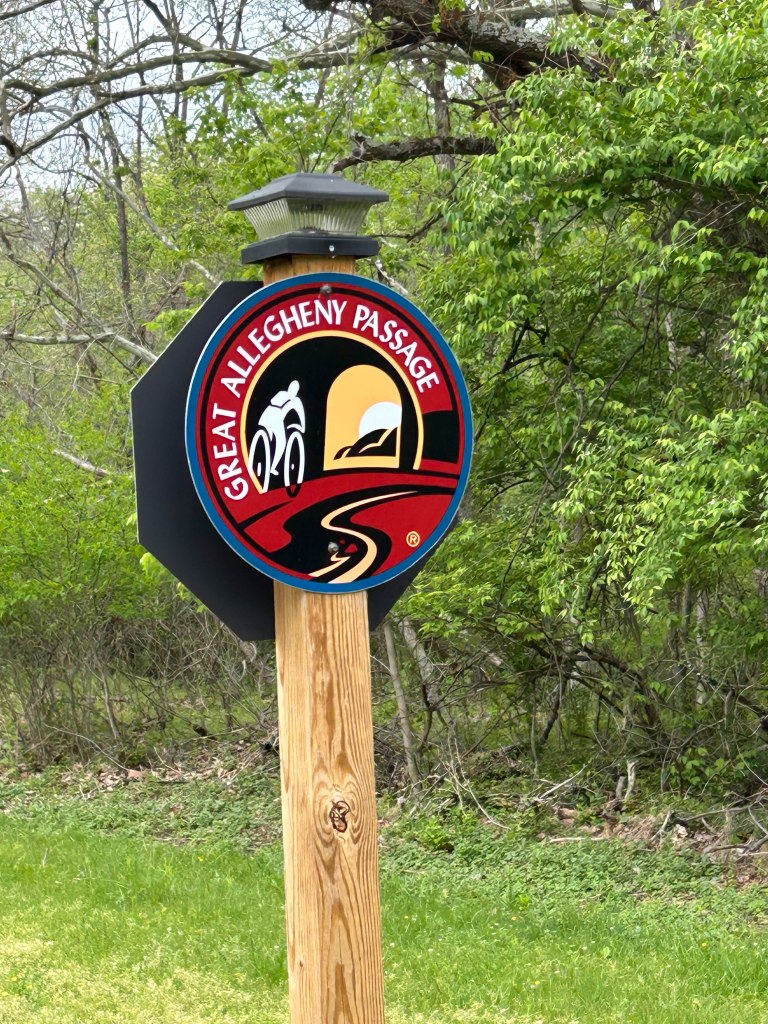
The GAP Trail ends at Point State Park, a Pennsylvania state park located on 36 acres in Downtown Pittsburgh at the confluence of the Allegheny and Monongahela rivers, forming the Ohio River. To be honest, the last couple miles were a bit of a confusion as the GAP signs that we’d been following the previous 147 miles were no longer visible (photo taken by Ruth).
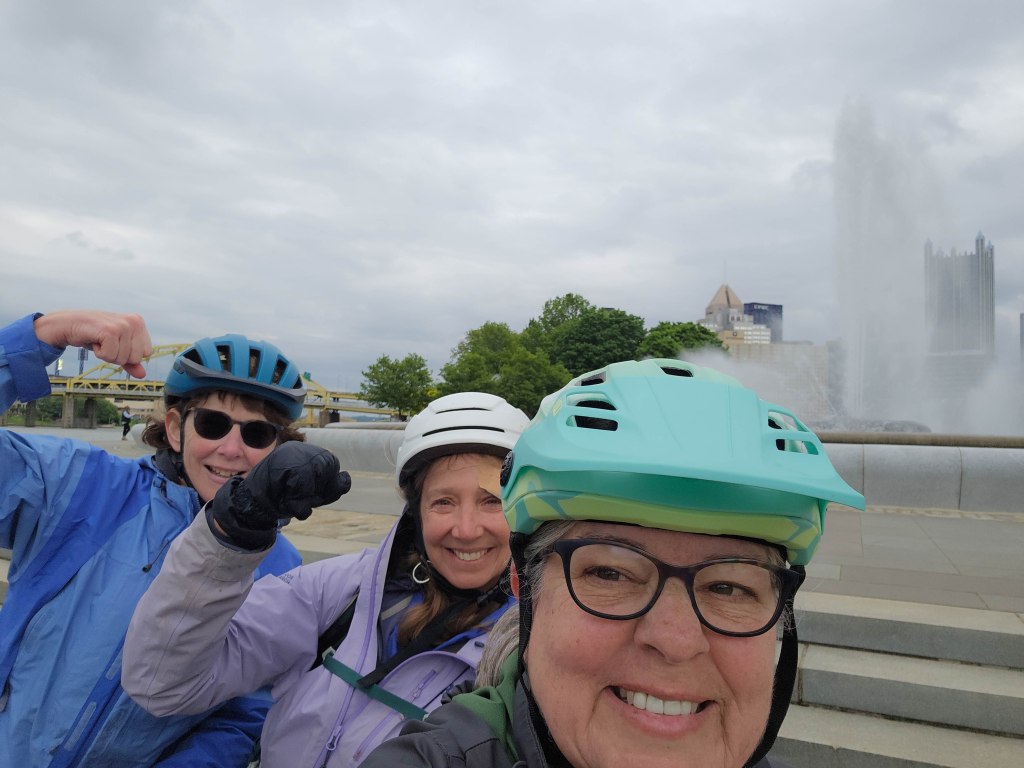
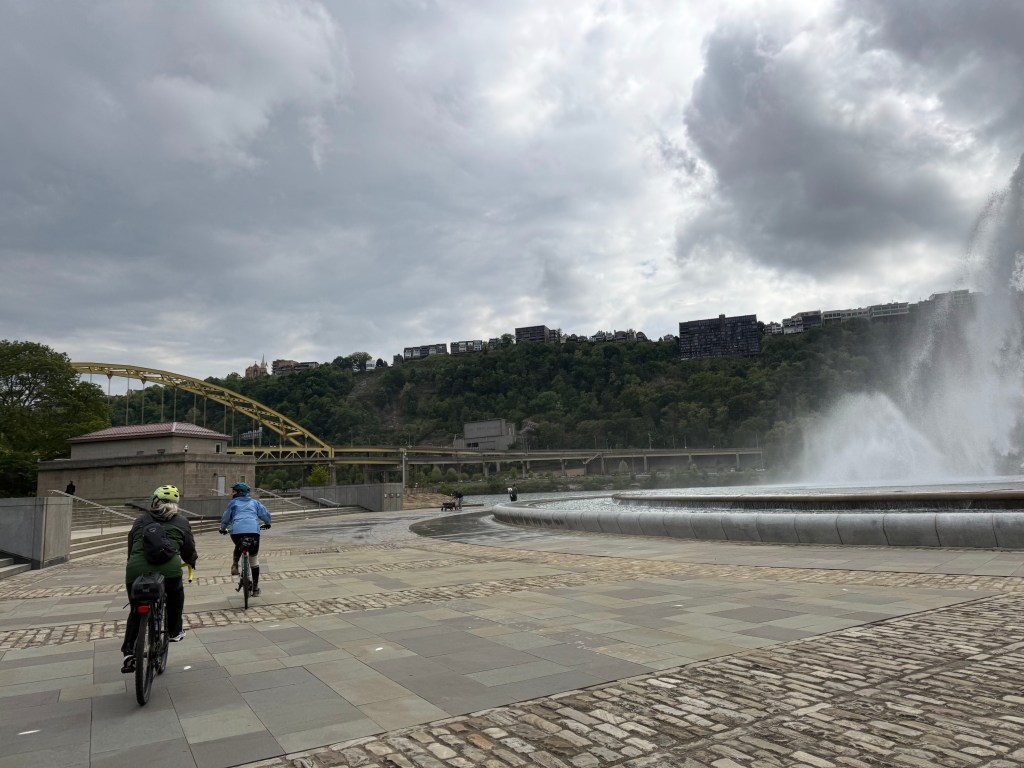
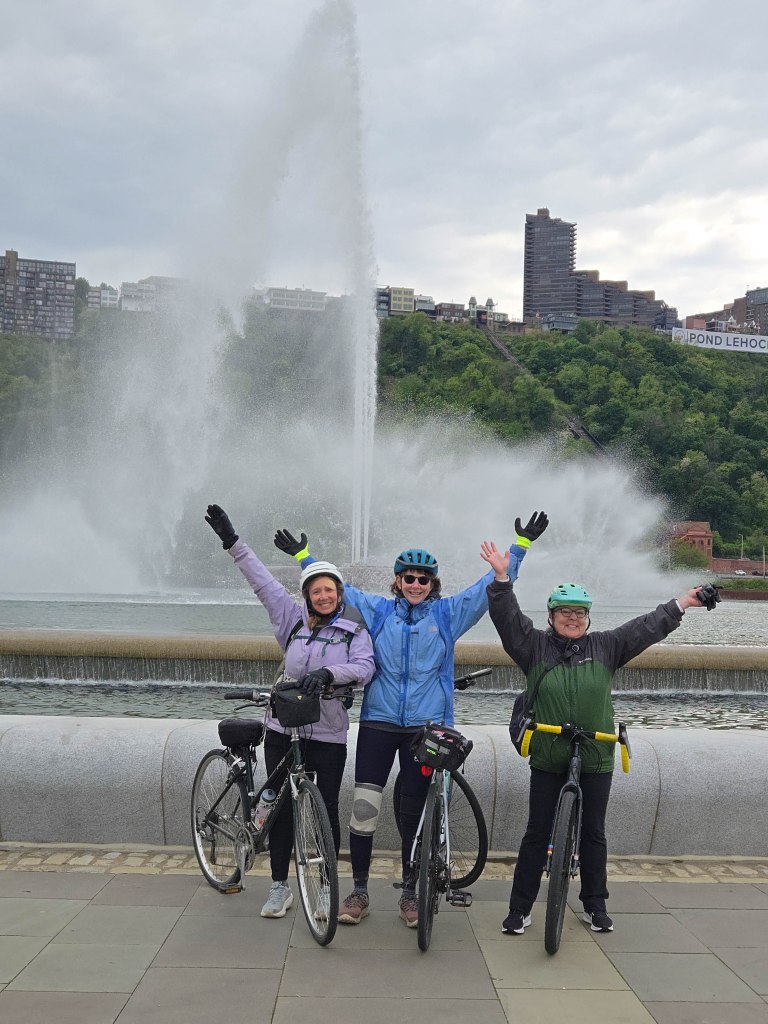
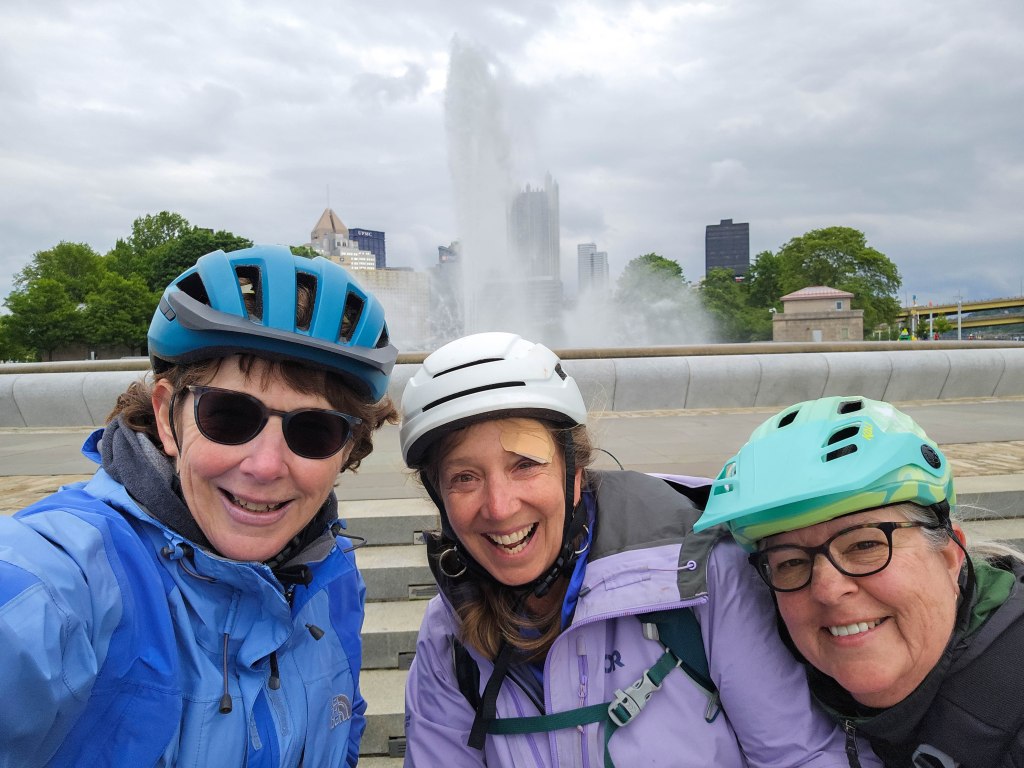
Despite that, we soon rode up to the beautiful fountain at Point State Park (photo taken by Linda).
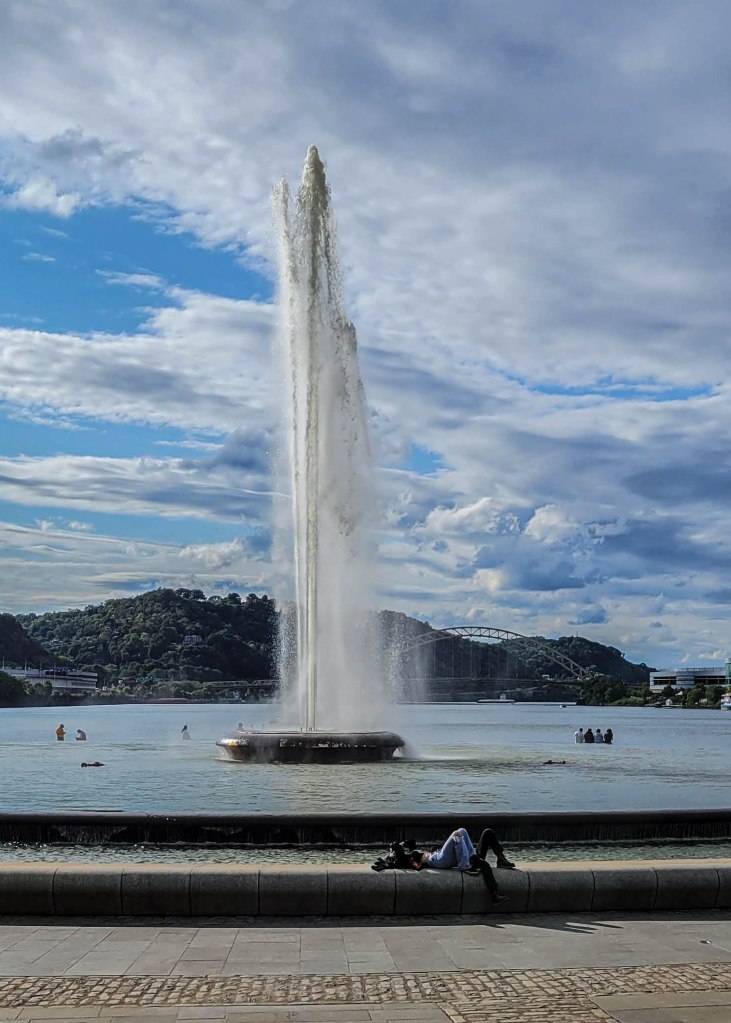
To give you a better view of the fountain, I have included a photo from a sunny day visit in 2022.
We were so excited to be there and to celebrate completing the entire GAP Trail.
After locking up our bikes and changing out of our gear, we ended the day at PNC Park, where we met our crew and enjoyed watching the Pittsburgh Pirates play baseball.
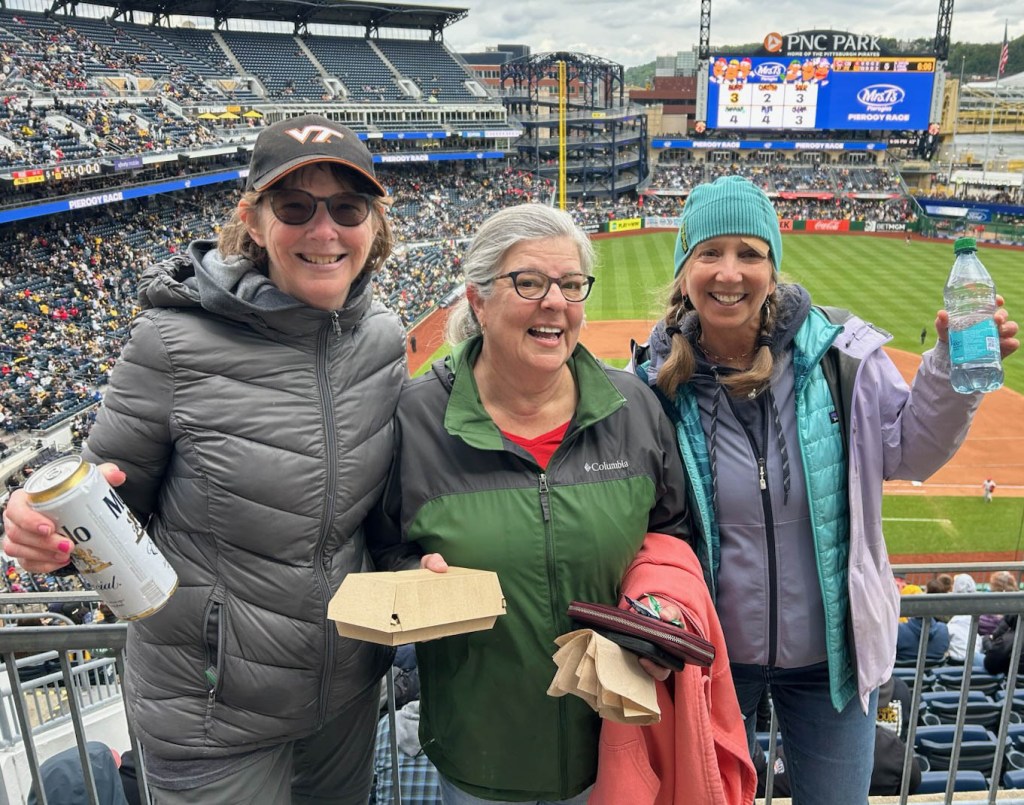
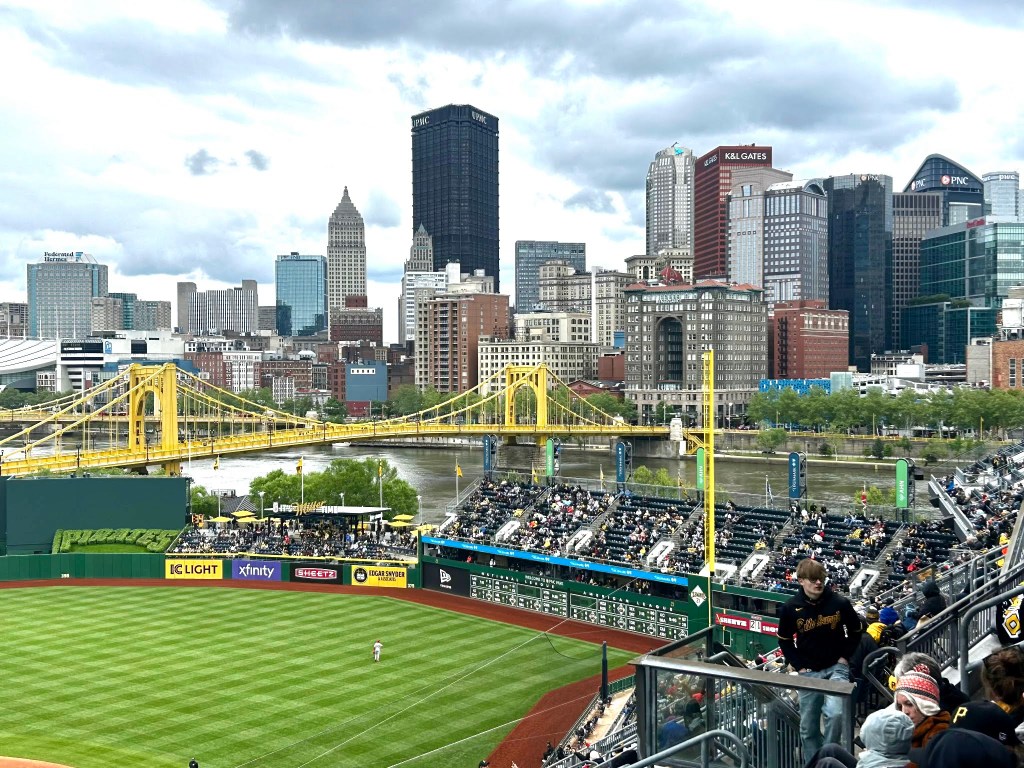
What a great way to end our ride! And yes! We are already planning the next adventure!
Unknown's avatar

Pittsburgh: Come Walk with Me

During our six mile walk around Pittsburgh, in addition to enjoying the bridges and rivers, we were impressed with the mix of old and new, the historic and the modern.  We stopped for a light lunch, and of course I had to taste a Pittsburgh pilsner, but otherwise we didn’t shop.  We just looked, and walked, and marveled and exclaimed.  It was a perfect day to explore.

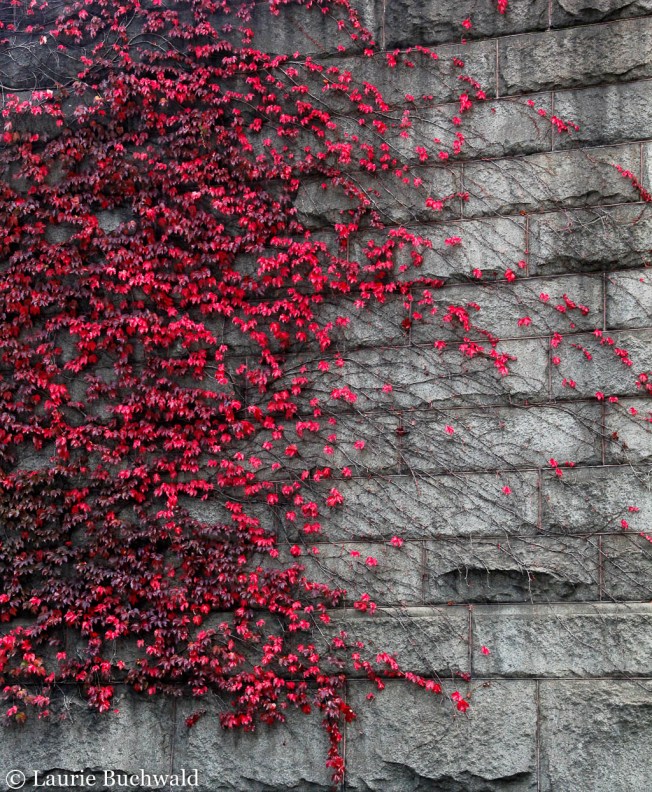
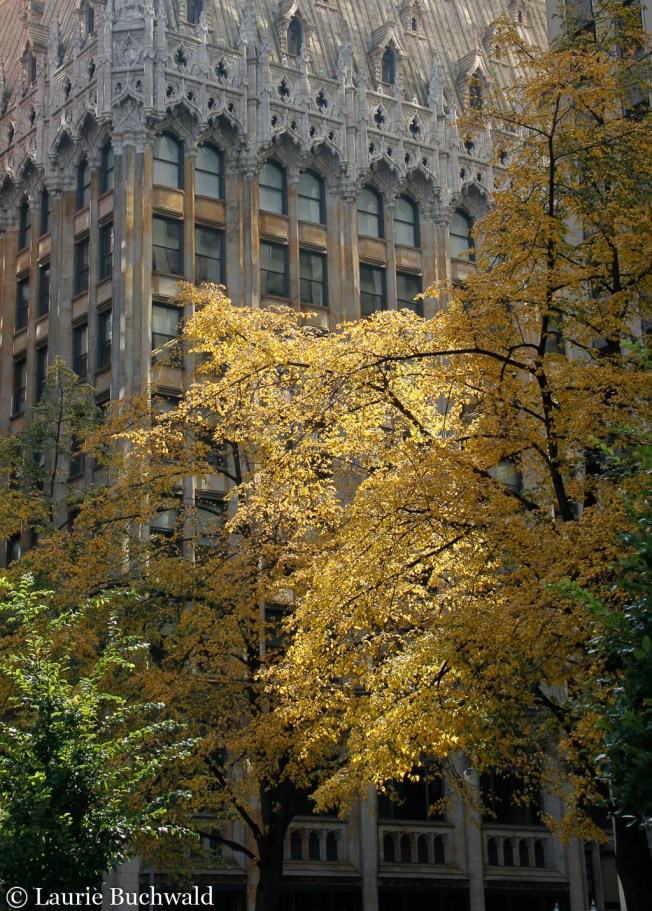
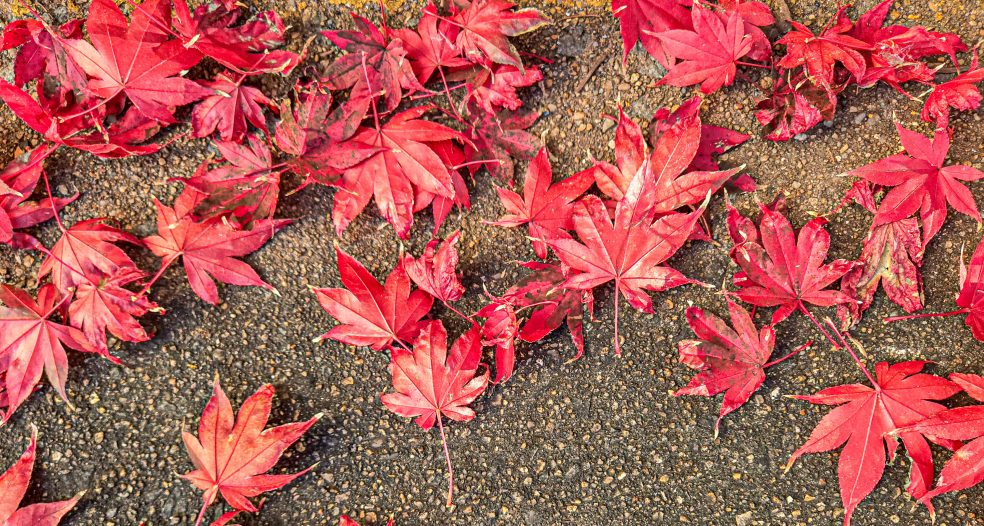
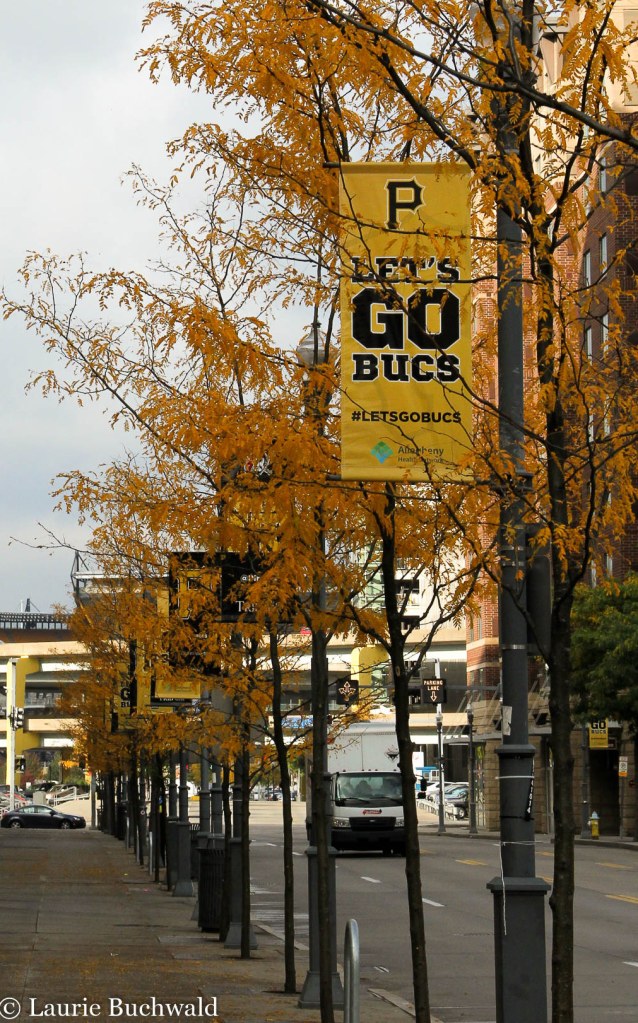
Ruth pointed out that the leaves of the Honey Locust tree, which we saw all along the streets, are the colors of the sports teams of Pittsburgh.

  IMG_9191

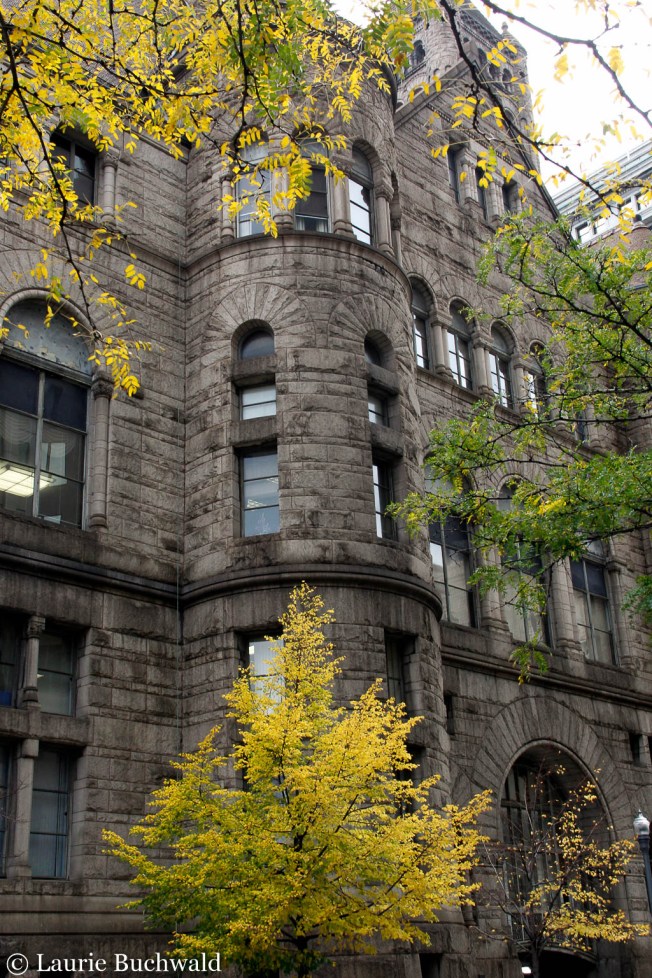
The Allegheny County Courthouse and Jail complex, designed in 1883 by Boston architect Henry Hobson Richardson, and built between 1884-1888, is a beautiful historic building right in the middle of Pittsburgh’s downtown business district.

_MG_9127

_MG_9124

The P&LERR (Pittsburgh and Lake Erie Railroad) terminal building, or the Landmarks Building, was constructed in 1900.  This historic landmark, once a busy passenger station and hub of the P&LERR railroad, has been renovated and in now contains shops, restaurants, and is a wedding venue.

IMG_9216

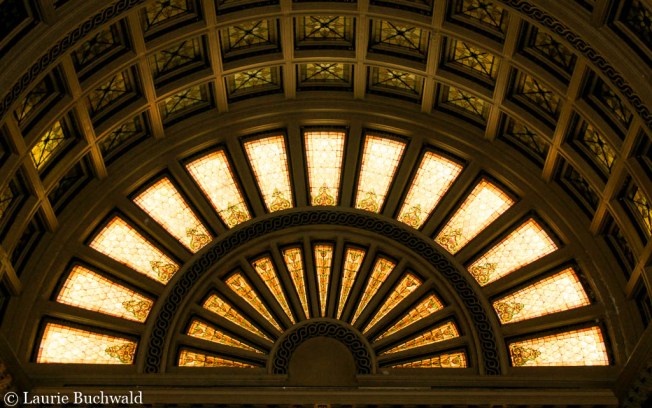
The interior was being set up for a wedding but we were allowed to take a quick look.  The low light made for difficult spur of the moment photography, but wow! Isn’t it a beautiful room?

IMG_9222

The Union Trust Building was erected in 1915–16 by industrialist Henry Clay Frick. The Flemish-Gothic structure’s original purpose was to serve as a shopping arcade. Known as the Union Arcade, it featured 240 shops and galleries. The building is listed on the National Register of Historic Places.

_MG_9245

This beautiful movie palace was a major theatre in Pittsburgh, opened originally as the Grand Theatre in 1918.  Renamed Warner Theatre in 1930, it was used as a cinema through the 1980s, deteriorating all the while.  The auditorium was demolished, and a two story shopping center named Warner Center was built on the site. The beautiful doors and a portion of the huge lobby have been retained.

_MG_9132

The clubhouse of the Harvard, Yale, and Princeton Club of Allegheny is a National Historic Landmark.  Built in 1894, the building originally contained 12 three-room apartments and served as workers’ row housing. Pittsburgh architect and club member Edward B. Lee (Harvard Class of 1899) was commissioned to transform the space into a private club, and after extensive renovation was re-opened in 1930.  The courtyard reminded us of one that might be found in New Orleans, and had a quaint feel in the middle of the big city.

IMG_9249

The Buhl Building is a historic commercial building in the heart of downtown Pittsburgh. Built in 1913, the building is faced with multi-colored terra cotta tiles.  It was added to the National Register of Historic Places in 1980.  The yellow honey locust trees look even better against those blue and cream tiles, don’t they?

_MG_9138

Isn’t this pedestrian walk way, with water feature and lovely purple lights, wonderful?  We came across this as we were walking near the Rachel Carson bridge (I think), but I was not able to find any information online about it.

IMG_9273

One PNC Plaza is a high-rise office building located in the Central Business District.  Constructed in 1972, and 30 stories high, it currently features the world’s largest green wall.

_MG_9136

I sure hope you enjoyed this walking tour of downtown Pittsburgh.  The information for this post was taken from Wikipedia and from a variety of Pittsburgh websites.

 Next and final Pittsburgh post:  Inclines and other sites in this fun city.