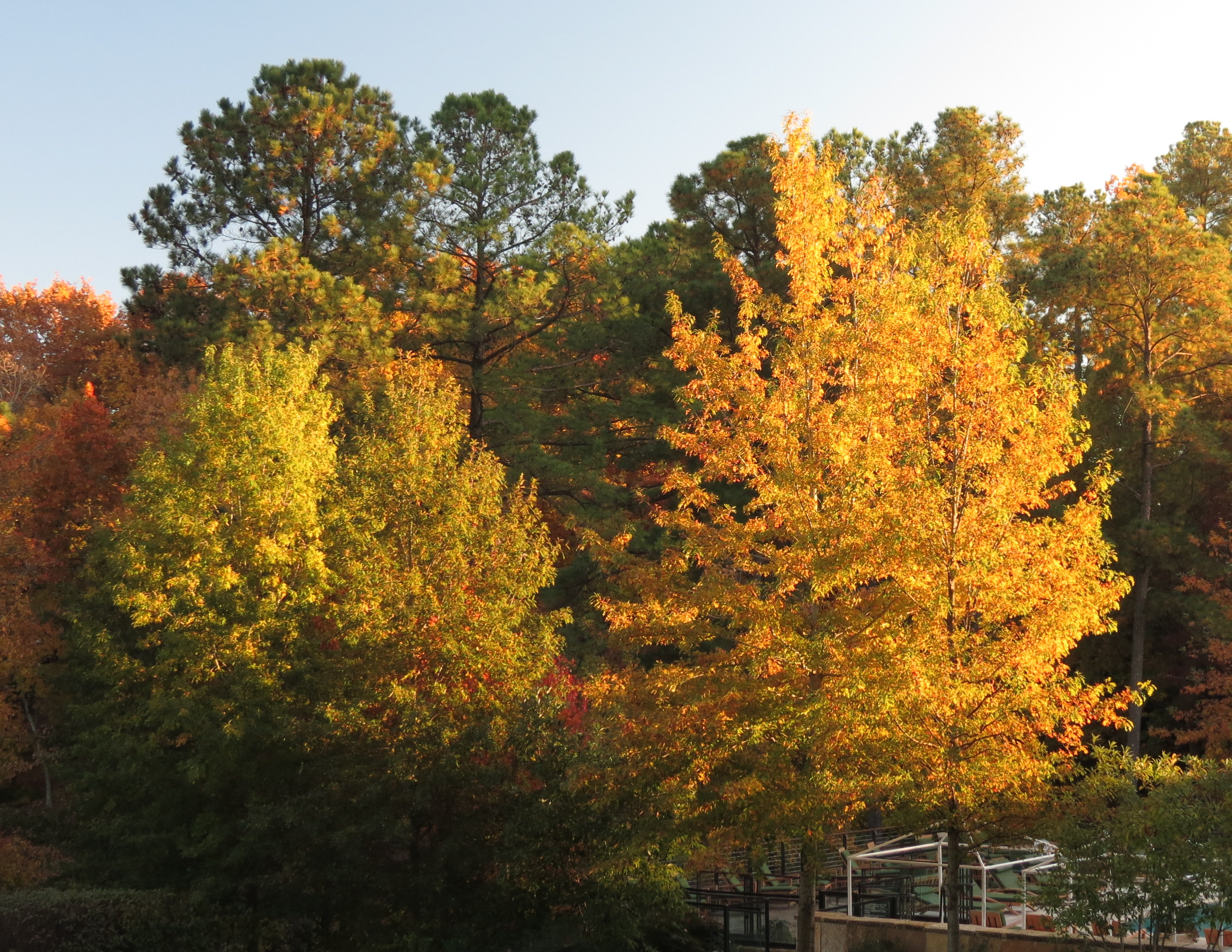
Well, maybe not art exactly. Just some oil on the sidewalk, made more colorful by the late afternoon light and the recent rain.
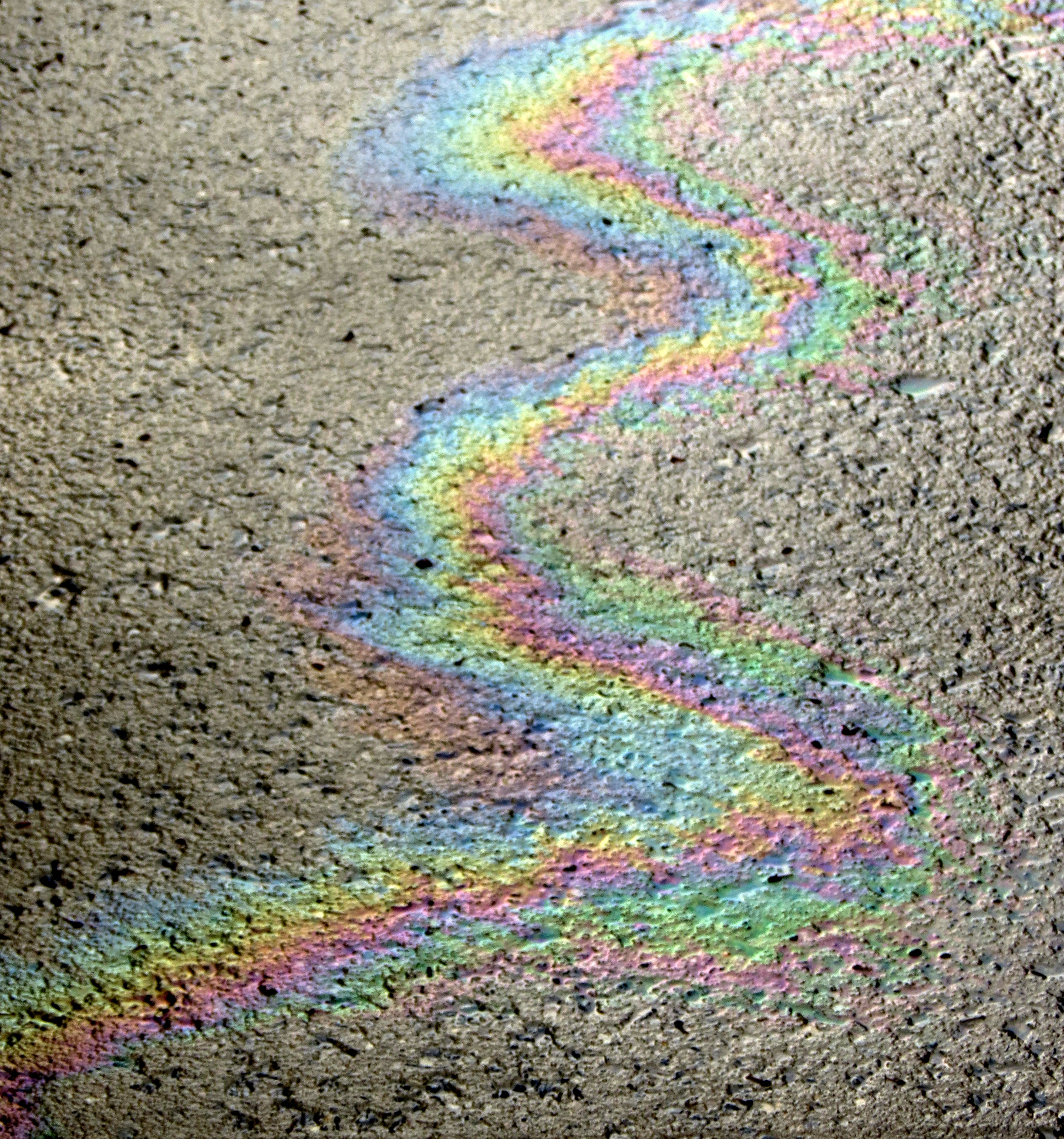
So … would you have stopped to take the shot?
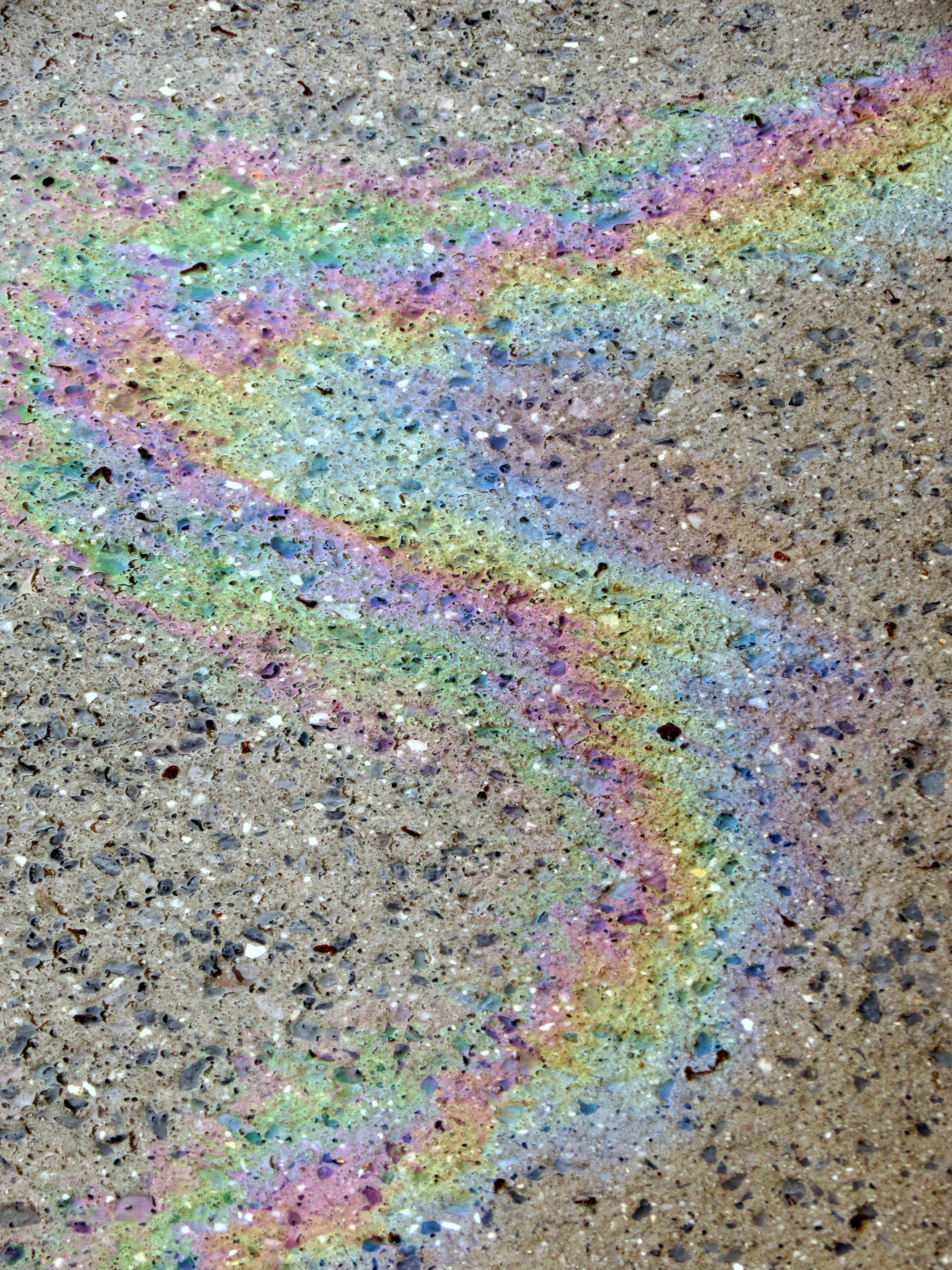

Well, maybe not art exactly. Just some oil on the sidewalk, made more colorful by the late afternoon light and the recent rain.
So … would you have stopped to take the shot?
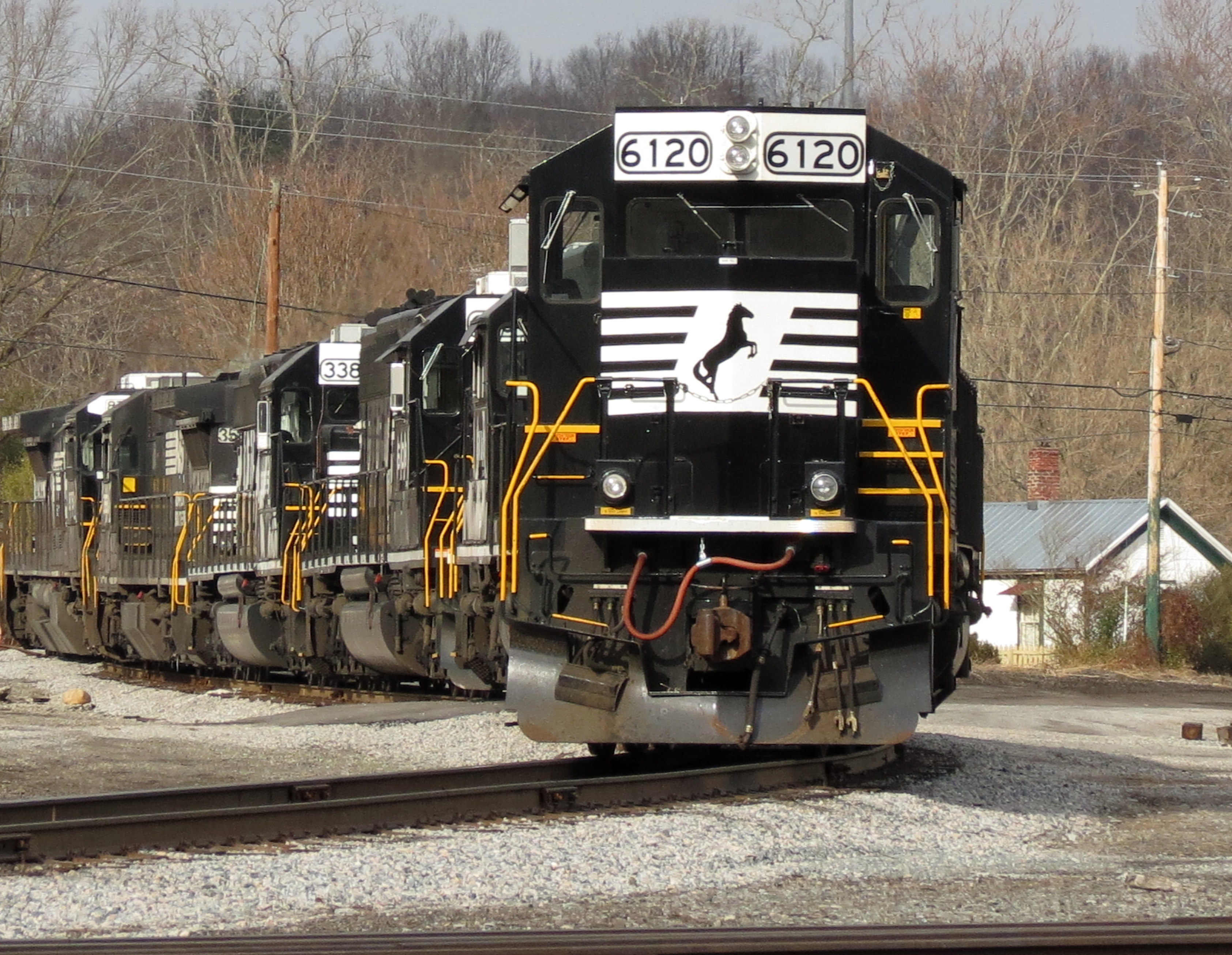
Why a post combining trains and building art? Mostly it’s about timing.
I am on the first night of a 7 night / 8 day, mostly business trip around Virginia. As I was trying to get out of Radford and head on down the road to Richmond, I was drawn to two scenes that I see almost on a daily basis. I’m not sure what made me stop to take pictures today, especially since I was already running late, but … have camera … well you know.
Trains and building art could easily fill several posts, but today, a few pictures will have to do.

Radford has been a railroad town since the 1850s when the Virginia and Tennessee Railroad (later the Norfolk and Western Railway) came through. The population grew dramatically as did business, industry and education. Passenger rail service no longer exists in Radford, but the railroad through the city is still a major component of Norfolk Southern Railway’s Roanoke to Bristol route. As is typical of those who live in a railroad town, it is easy to become immune to the sound of the trains and their whistles as they pass through the city.
The structure pictured below sits right behind the railroad tracks. I am sorry to say that I do not know what it is … I was guessing a water tower. A quick FB call out to local Radford folks revealed that most agree, especially given it’s proximity to the rail yard. I’m hoping I can learn the date it was constructed and any other interesting bits of information as well. We’ve got some serious history buffs in our little city. I’ll pass on what I learn!
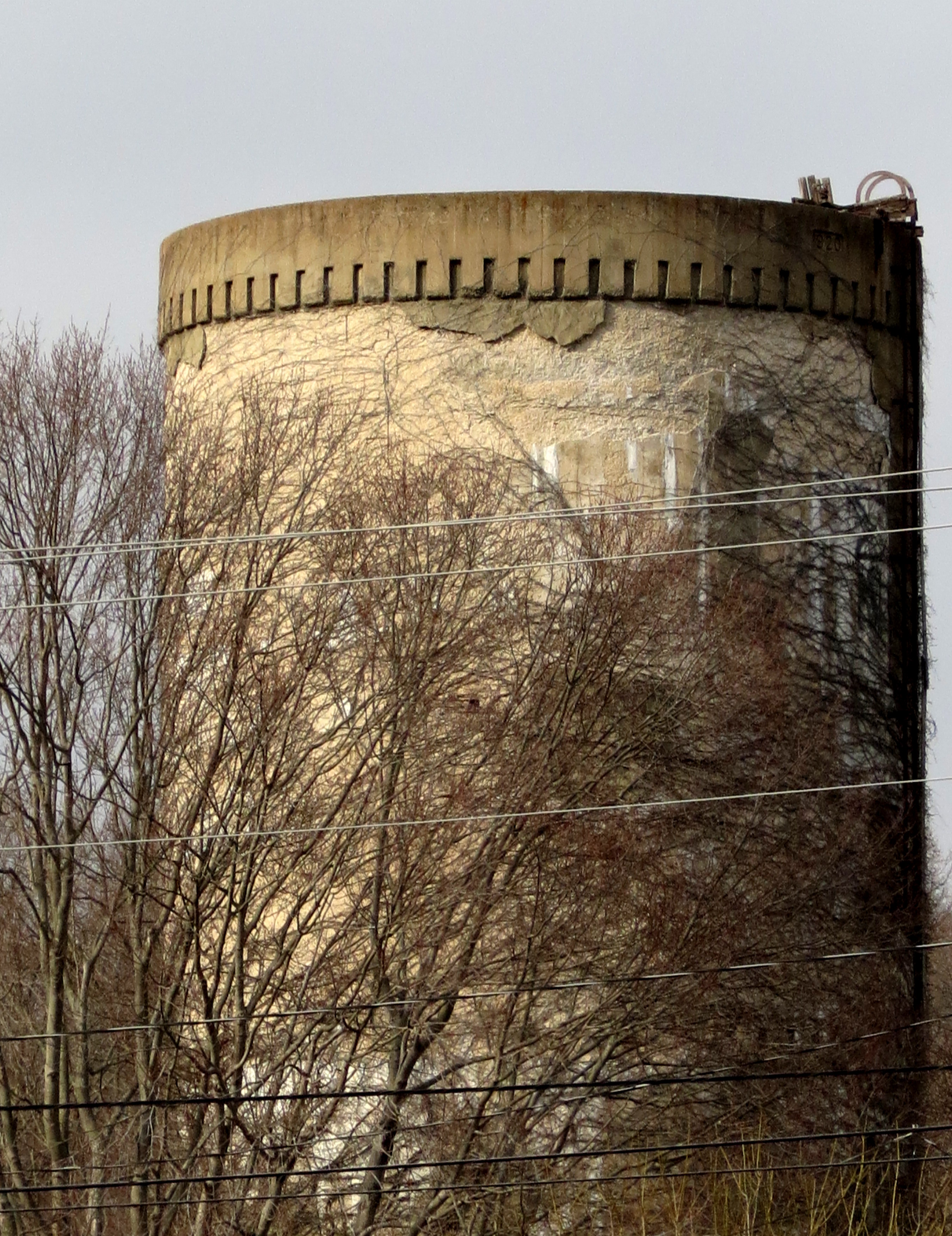
Since I posted this morning I have heard from several who tell me that the tower served to store water for use by the steam engines.
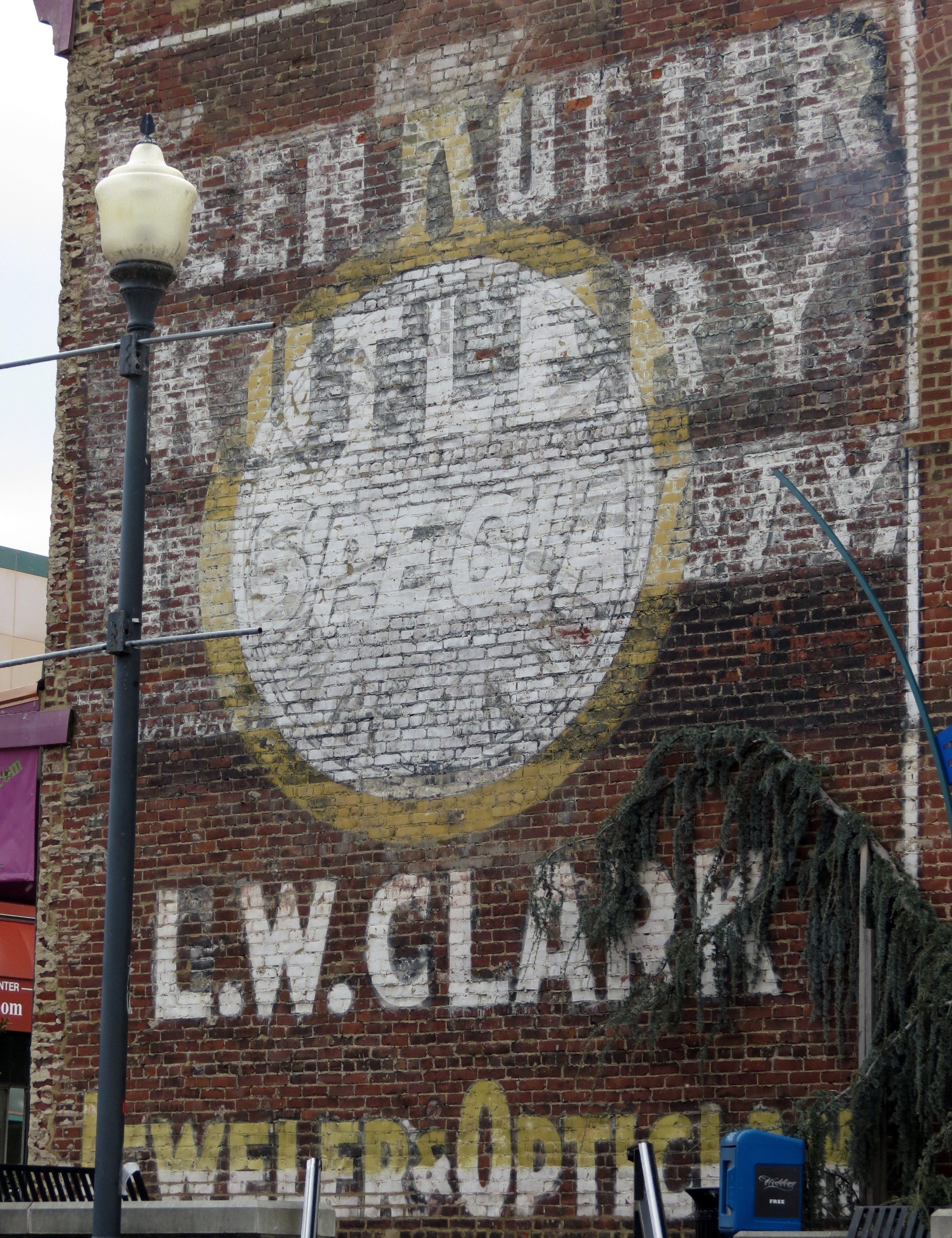
As buildings are renovated or unfortunately torn down (or fall down), art in the form of advertisements is often revealed. Radford, like many localities, has many more examples of building art than just those pictured here. These particular ads were revealed when the City of Radford took down an old partially burned out building (which even had a tree growing in it) and created a community courtyard. This lovely little area is now called Carson’s Courtyard.
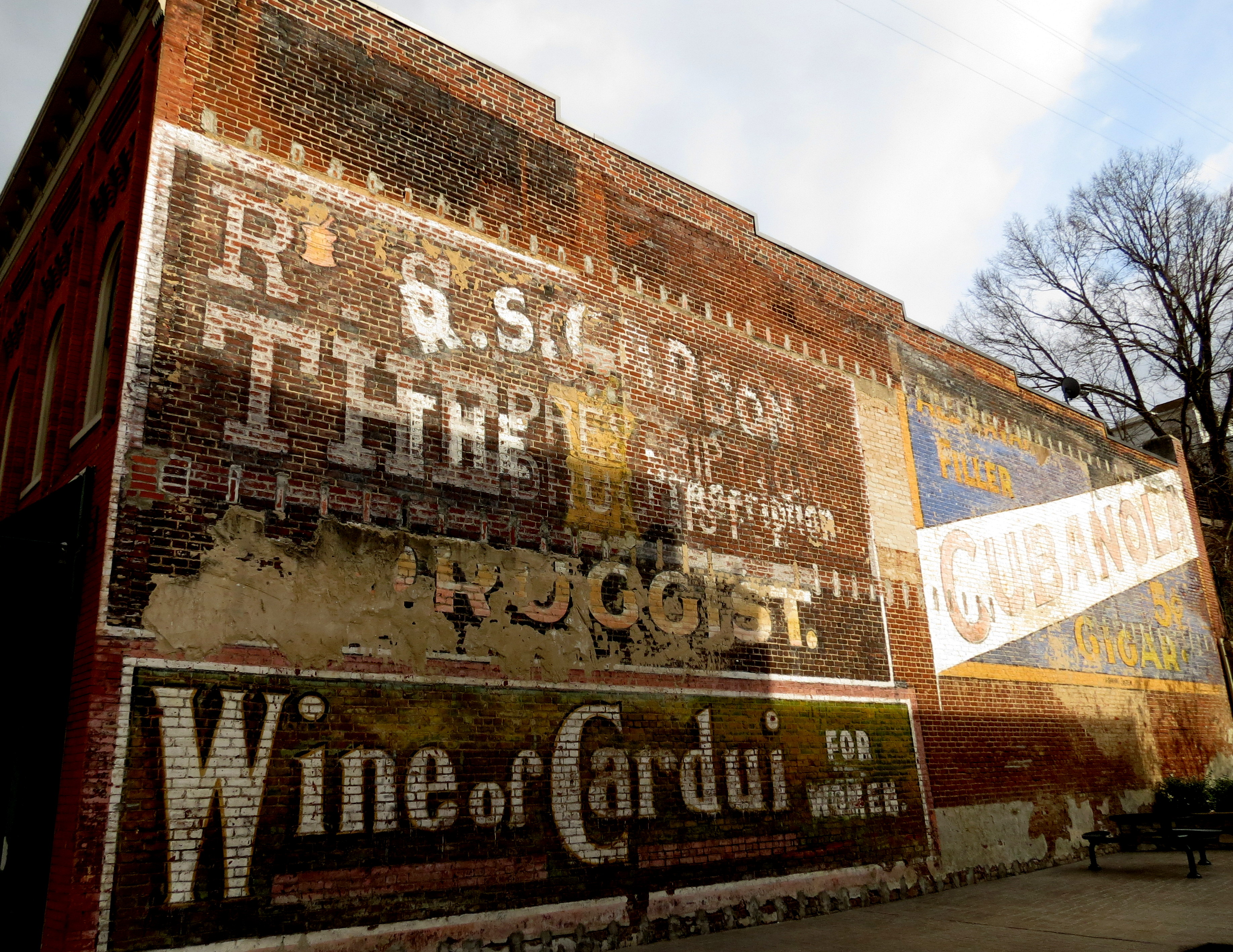

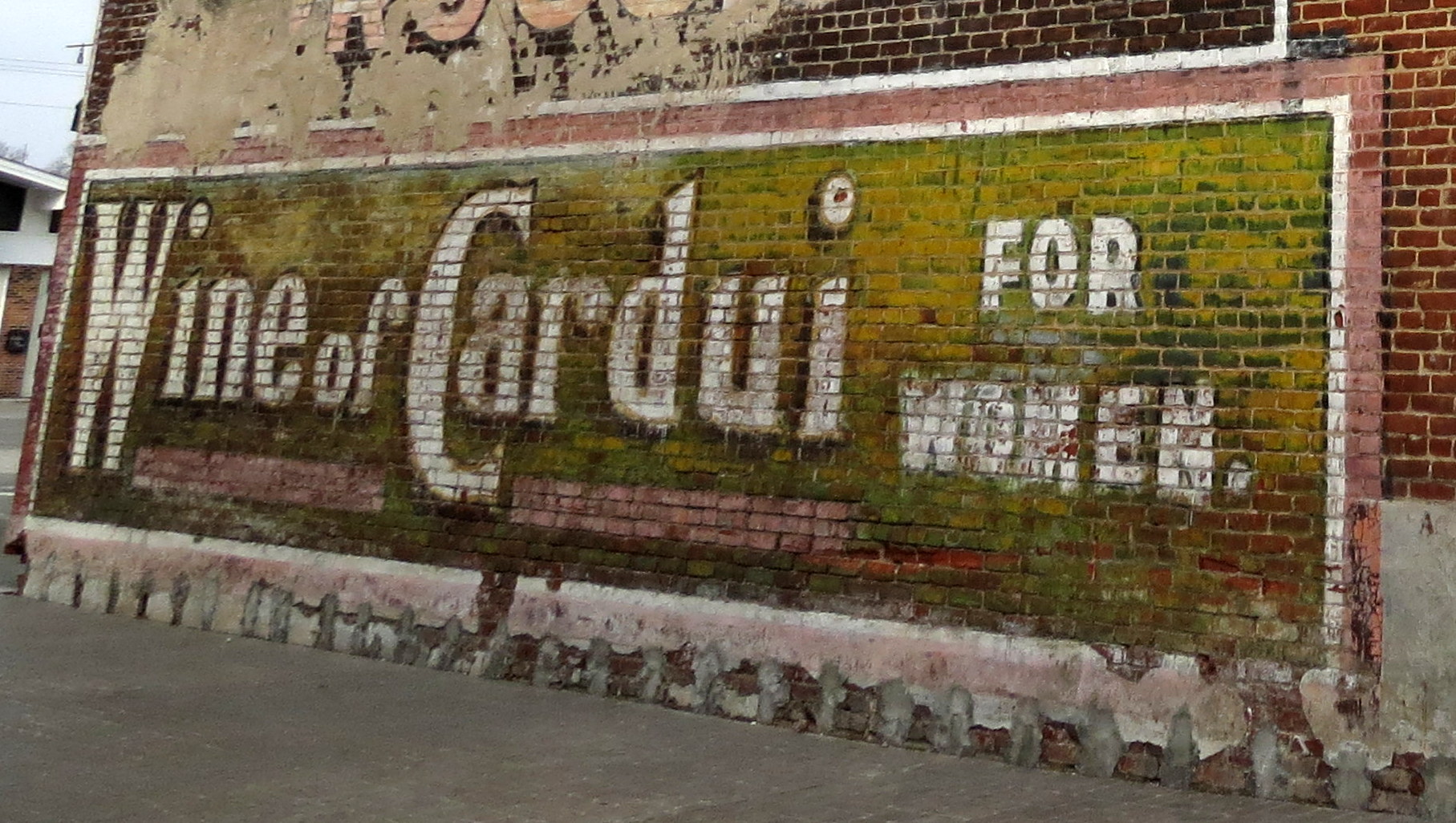


This next building sits right across the street from Carson’s Courtyard and the art provides a lovely backdrop for the Farmer’s Market.
‘
And as you look past the brick wall, you will once again see the tower.

Day 2 – Richmond

The Roanoke Valley is as rich in history as it is in natural beauty and has played a vital role in the growth of Virginia. The Wilderness Road migration route, traveled by pioneers in covered wagons on their way to settle the frontier, passed right through the region.
Roanoke is the 10th largest city in the Commonwealth of Virginia and the largest municipality in Southwest Virginia. Formerly known as Big Lick, because of it’s numerous salt marshes (or licks), the city was renamed Roanoke in 1881.
Roanoke became a crossroads for the railroad, which eventually became the Norfolk and Western Railway. Its historic market, which also began in these early years, remains vibrant as one of the oldest in the country and still is an anchor of downtown commerce (http://www.visitroanokeva.com/visitors/history/roanoke-history/).

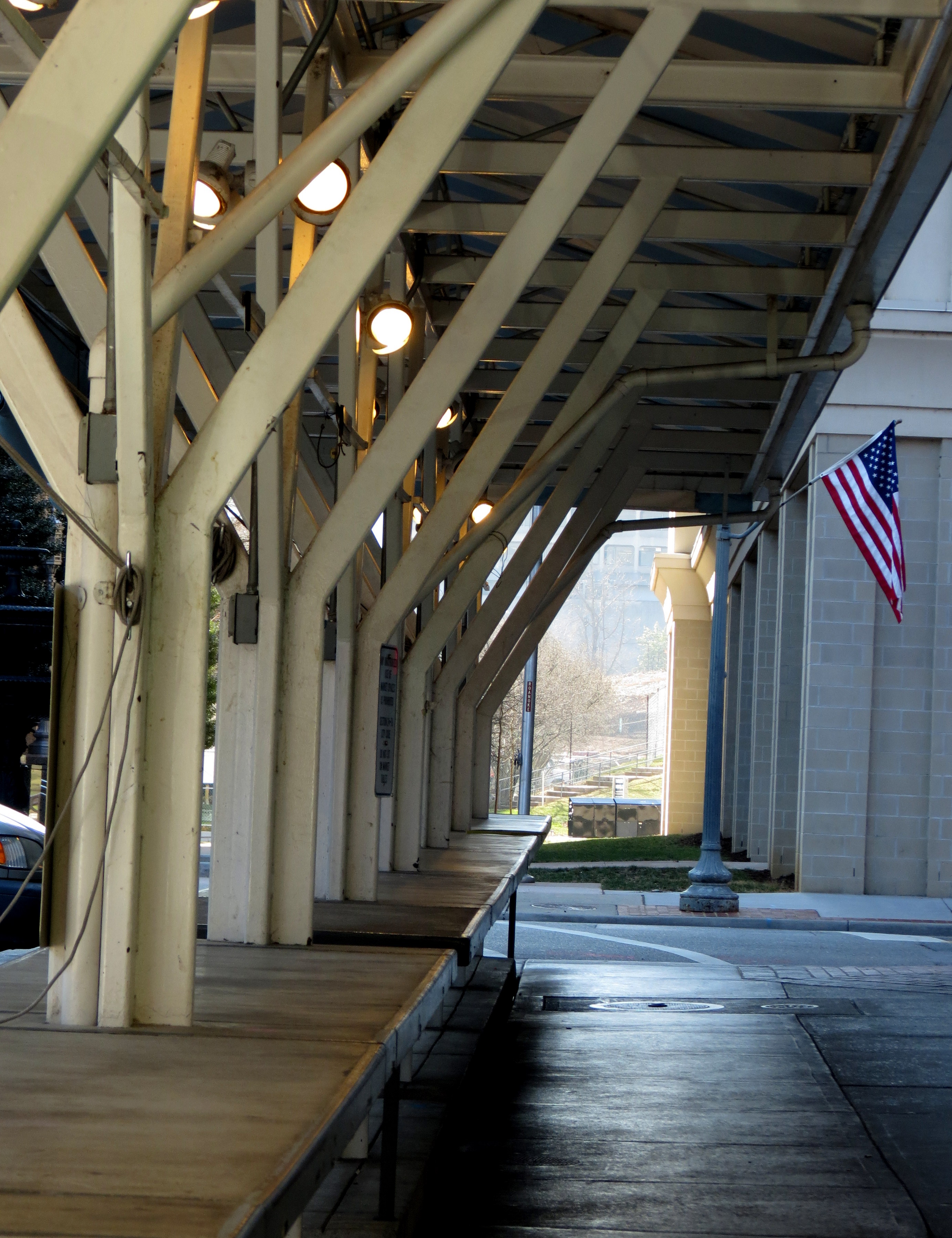
It was a lovely morning in Roanoke … perfect for a quick stroll around the downtown market area.


The variety of windows caught my eye


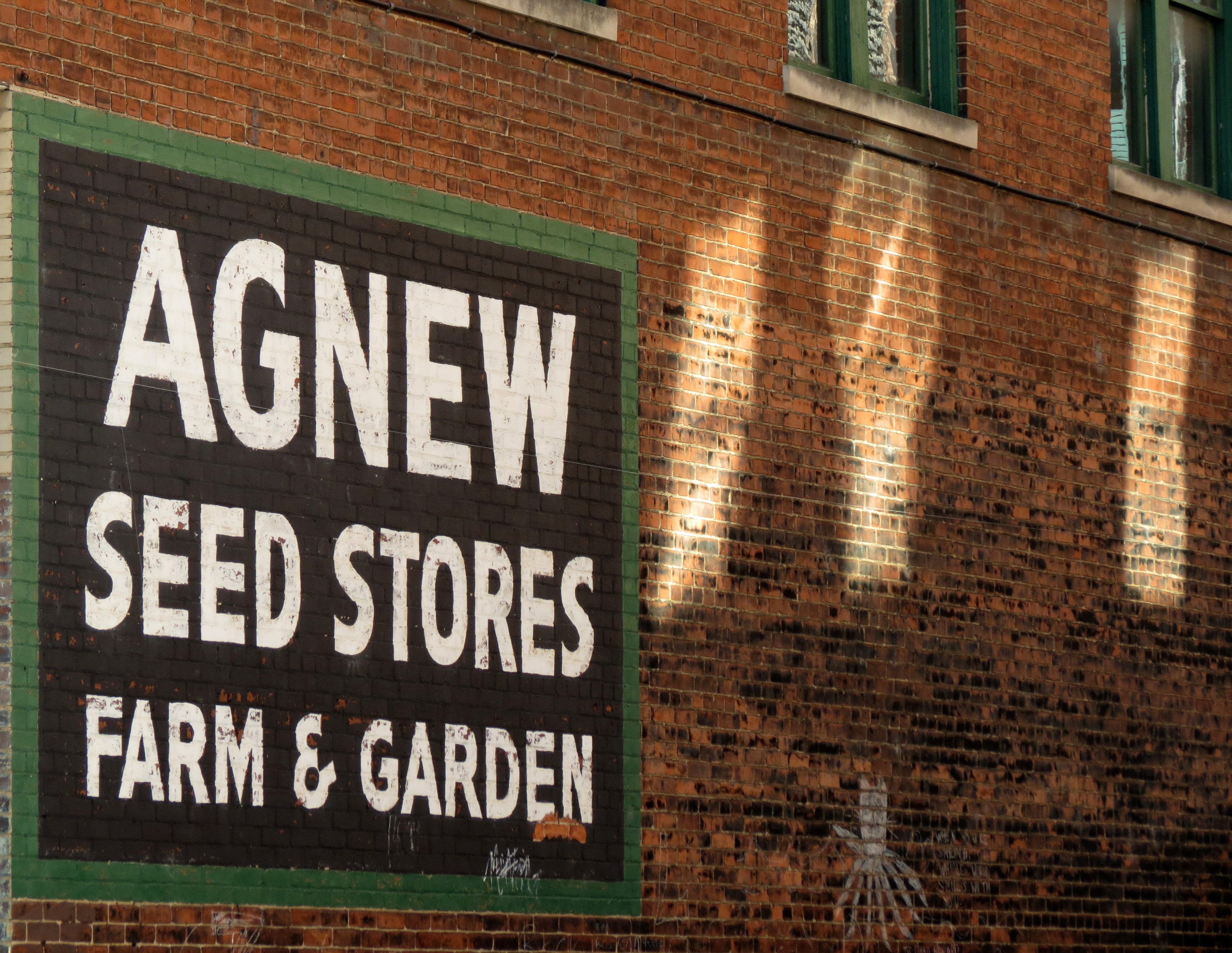
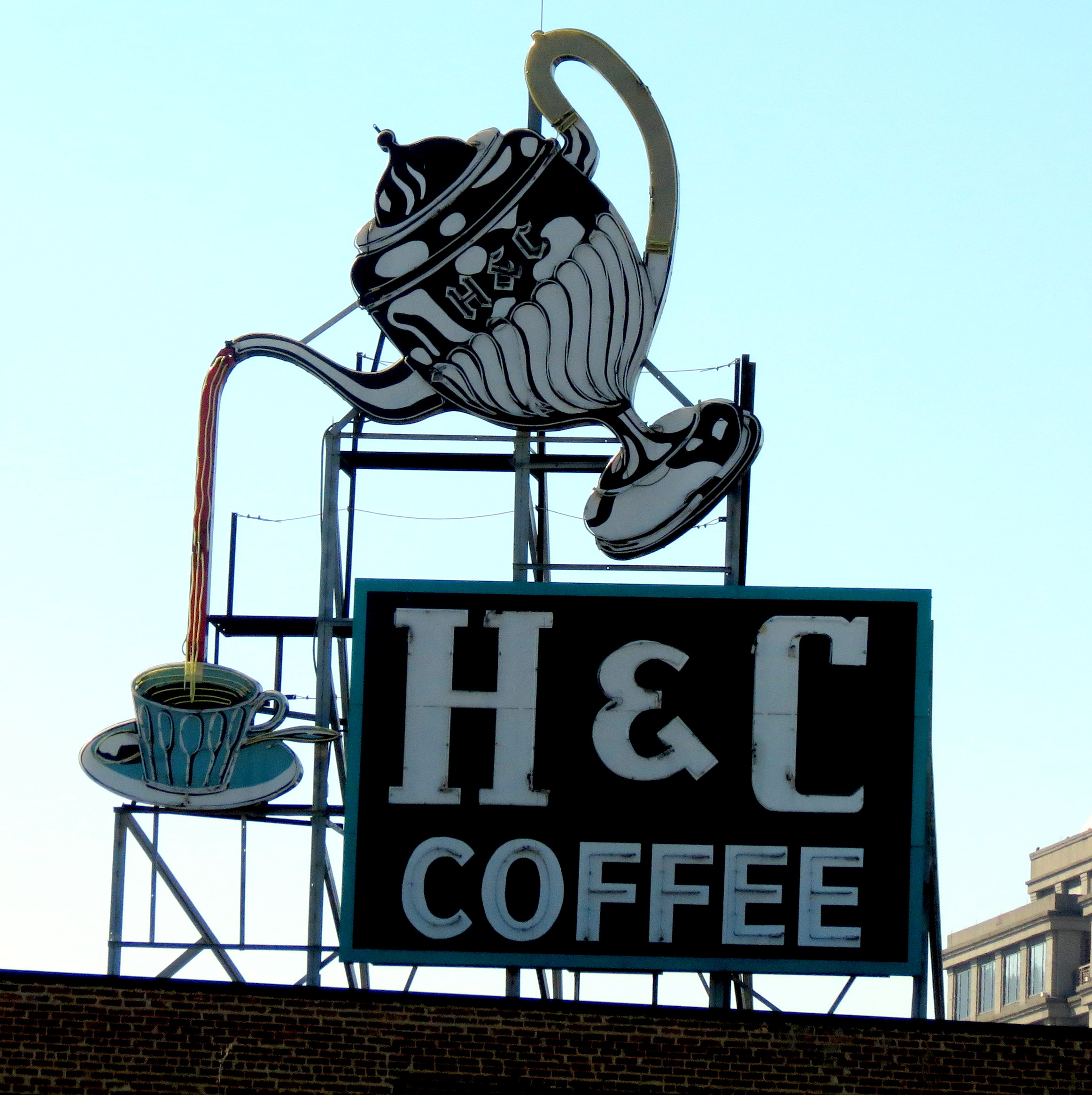
Historic Signs and Newer Signs


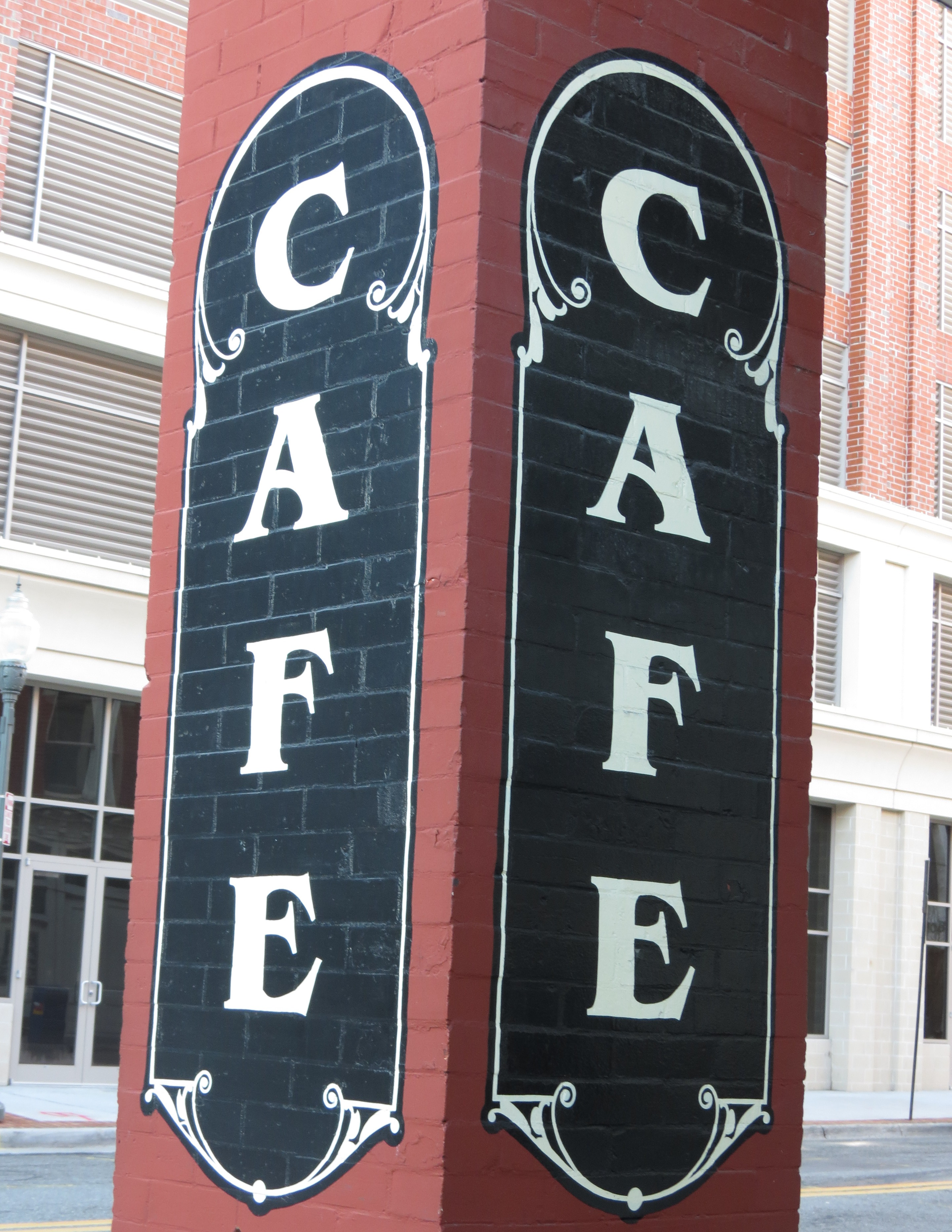
Old Buildings


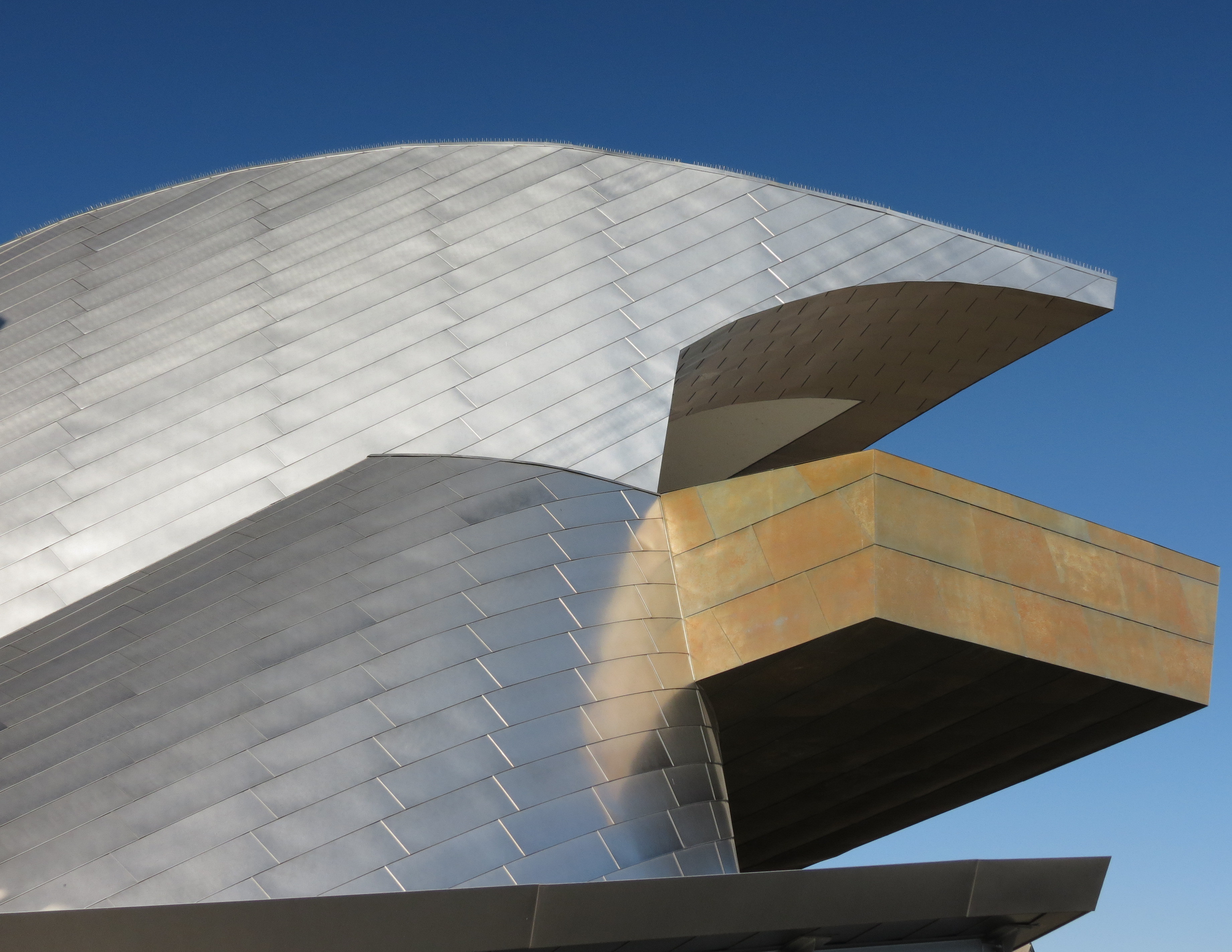
And New

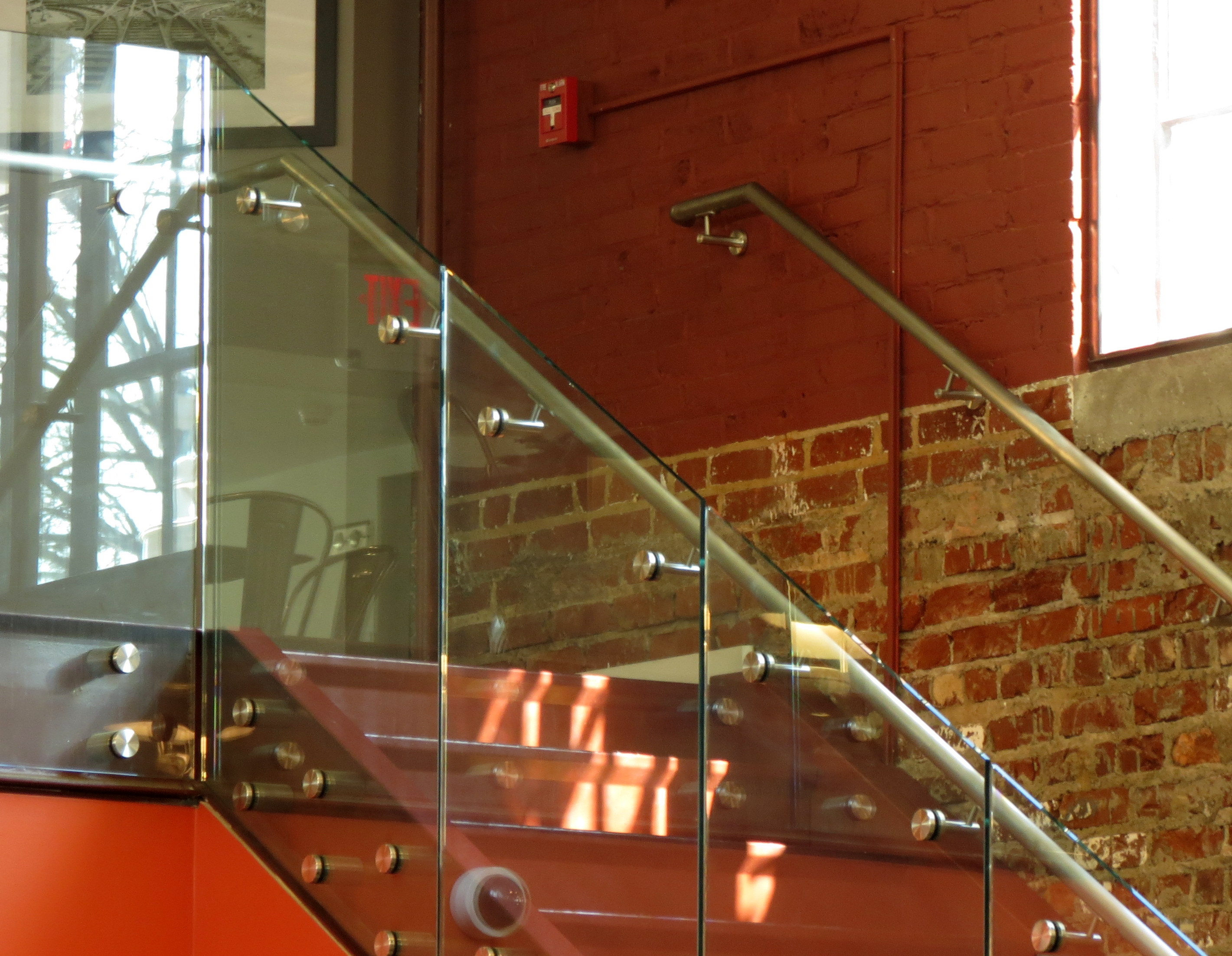
Inside the renovated market building
Outside on the market square
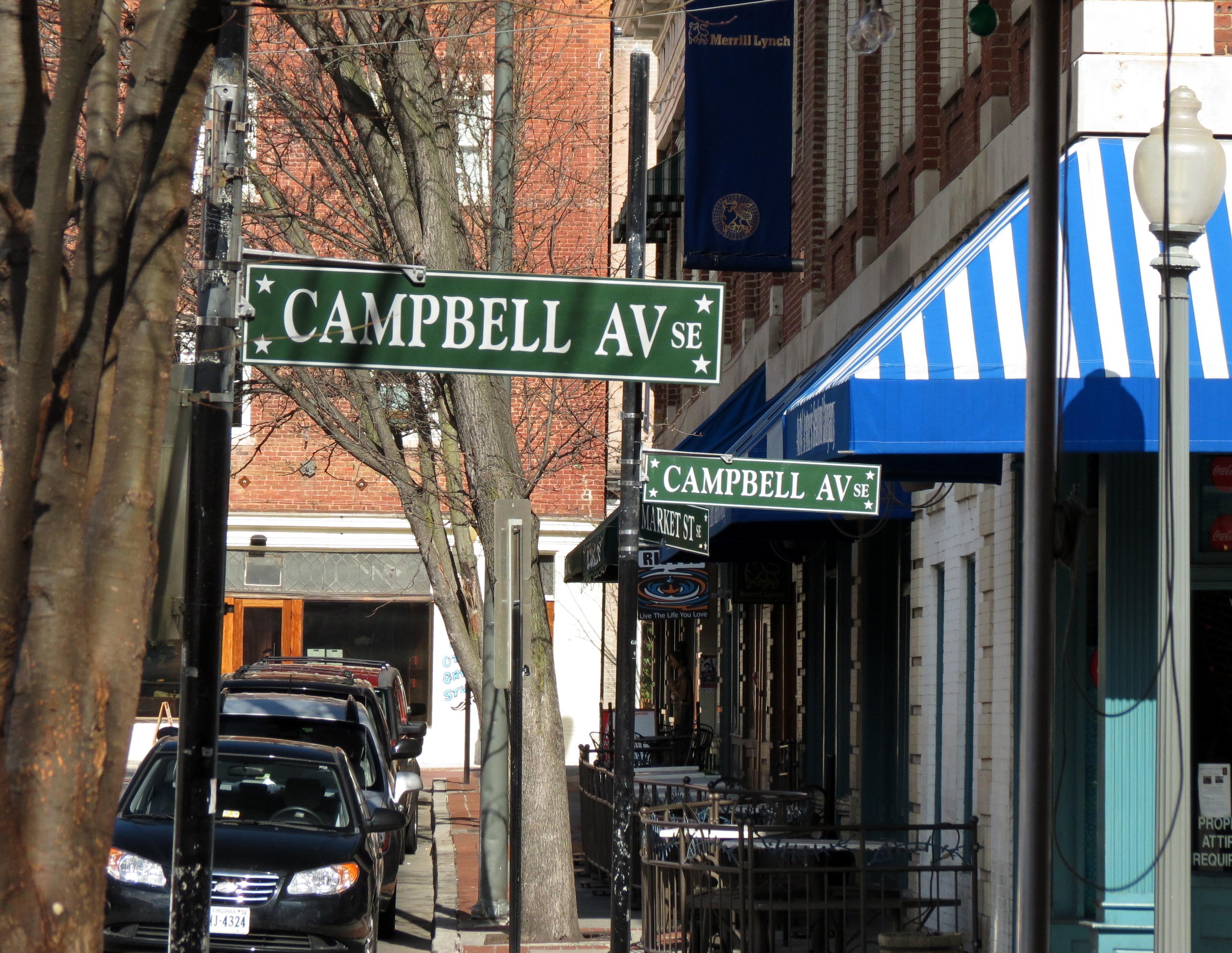
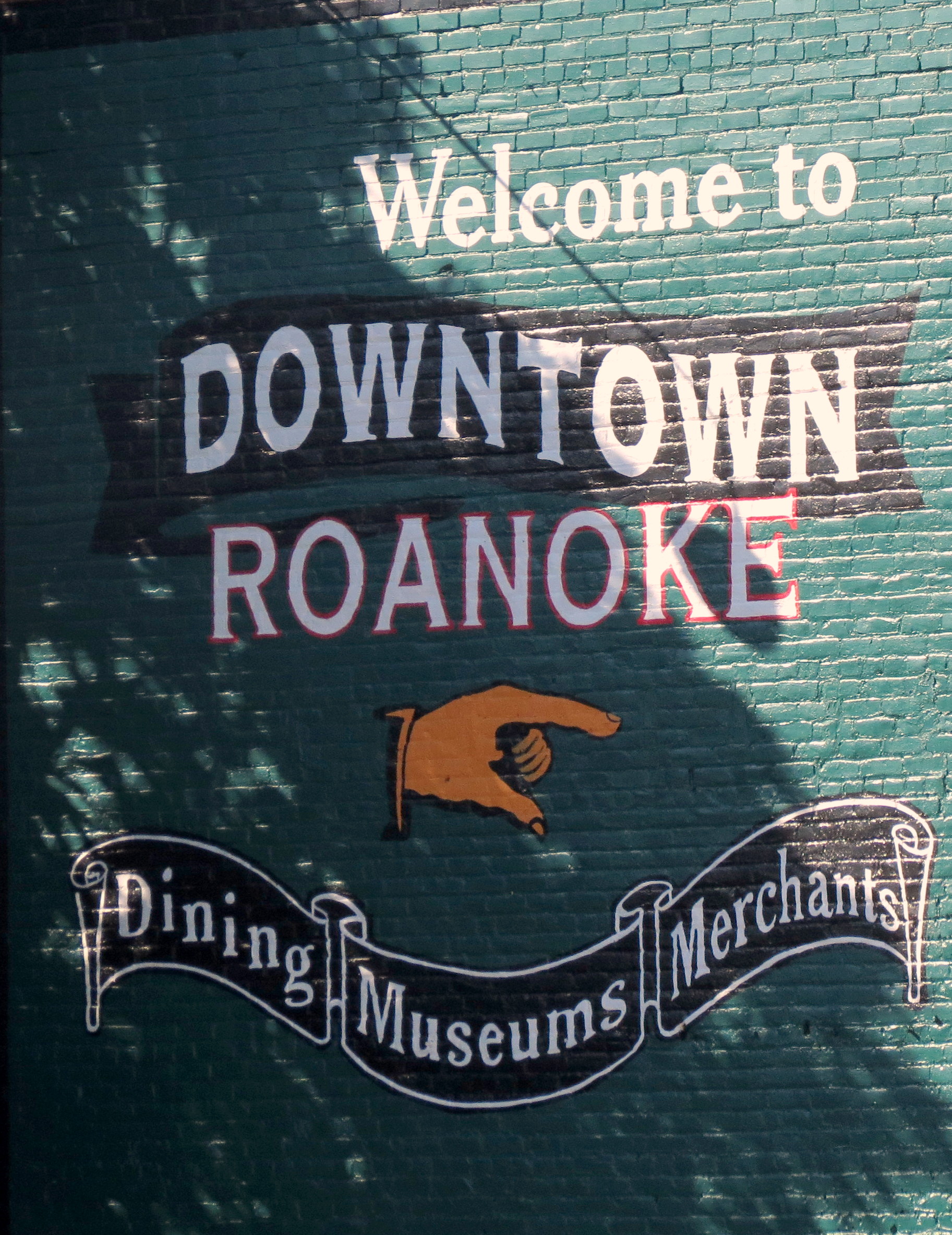
Downtown Roanoke has much more to see … restaurants and pubs, museums and historic hotels, renovated buildings and shops. Festivals too! You should come check it out!
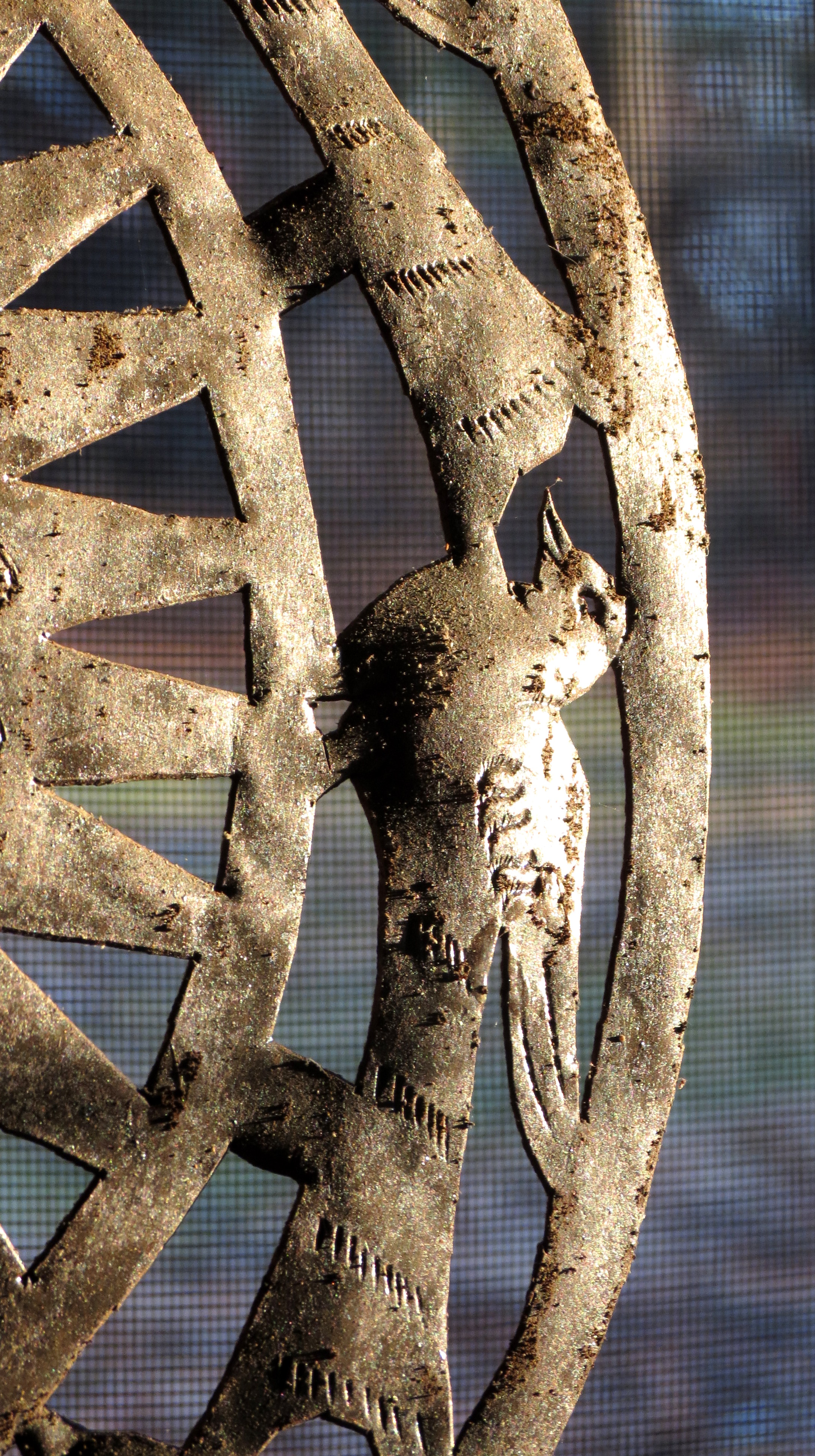
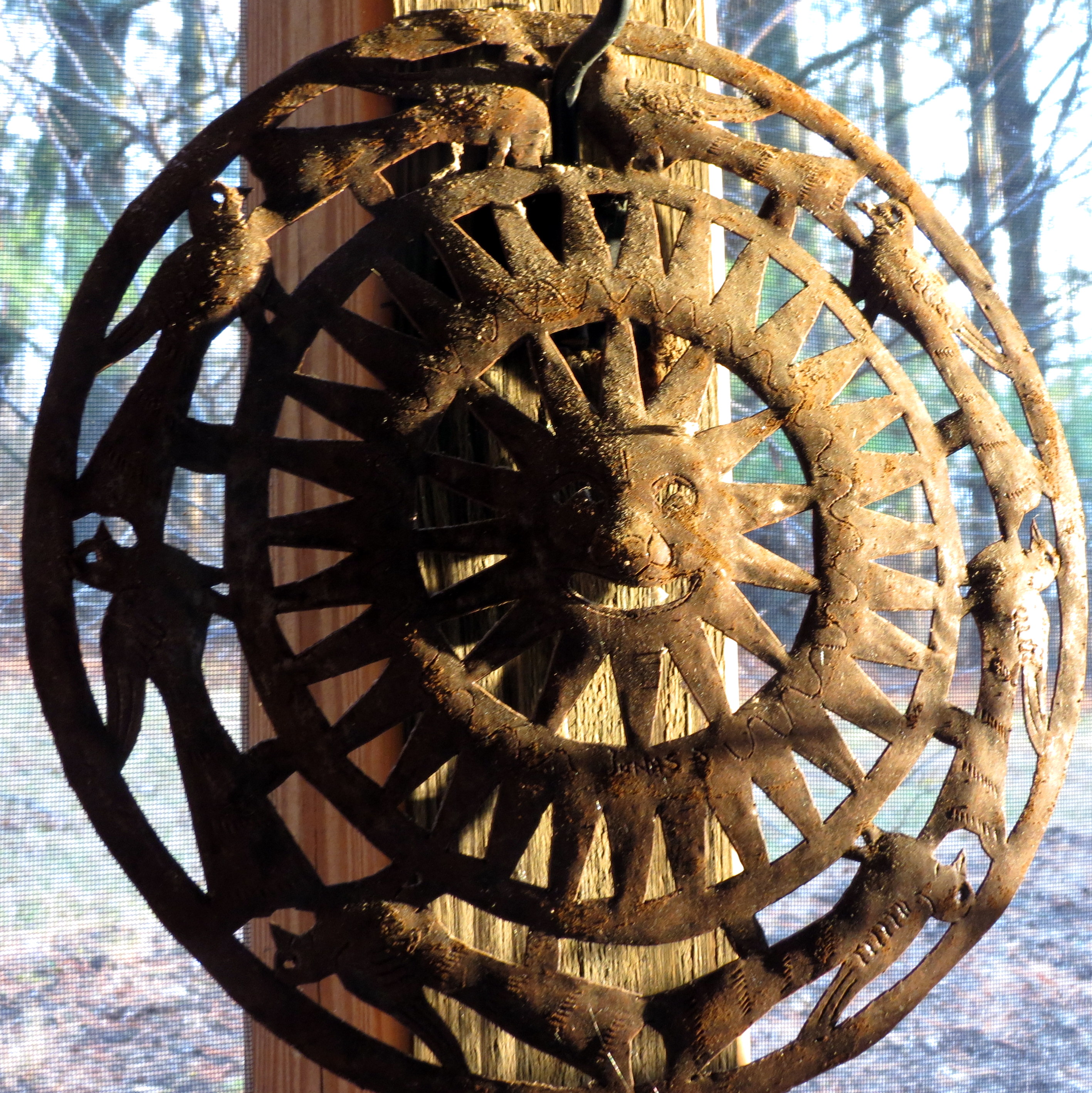
I love the unexpected find … I went out to shoot something else, but this simple porch decoration, bright in the late afternoon sun, caught my eye instead.
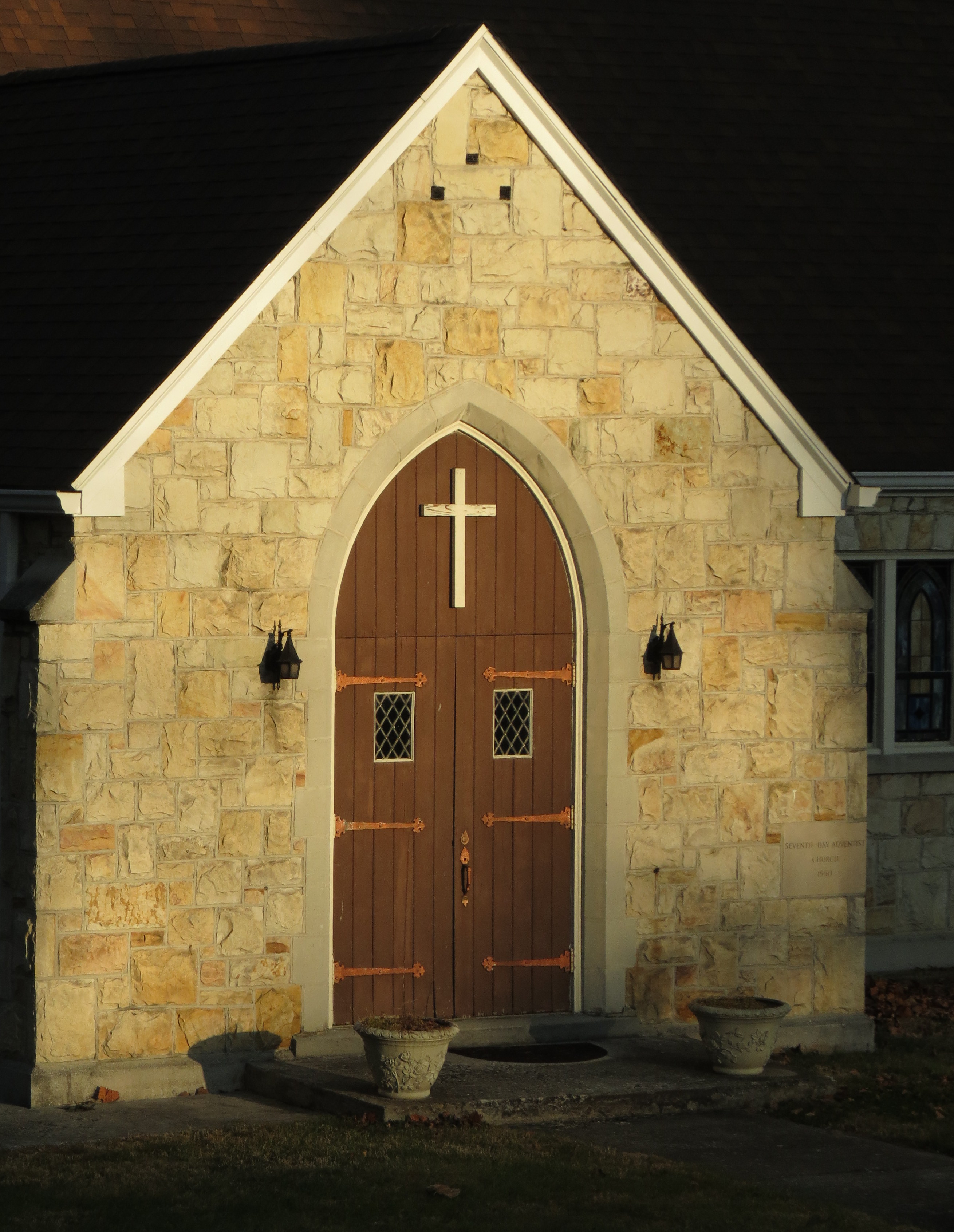
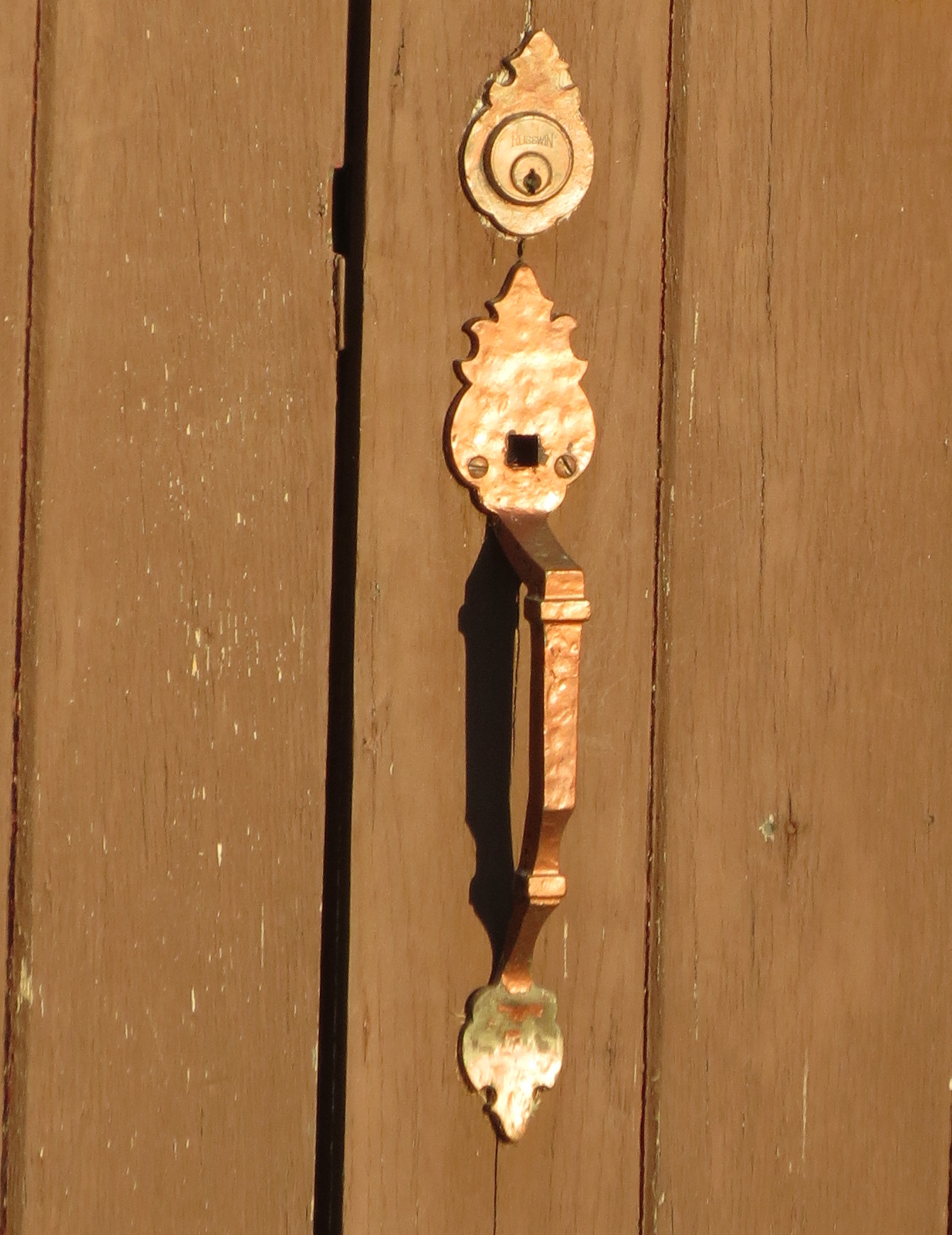
I took a different route to work this morning and the site of this church in the morning sun just caught my eye. So, of course you know that I just HAD to stop, turn around and take some pictures.
And STILL managed to get to work on time!



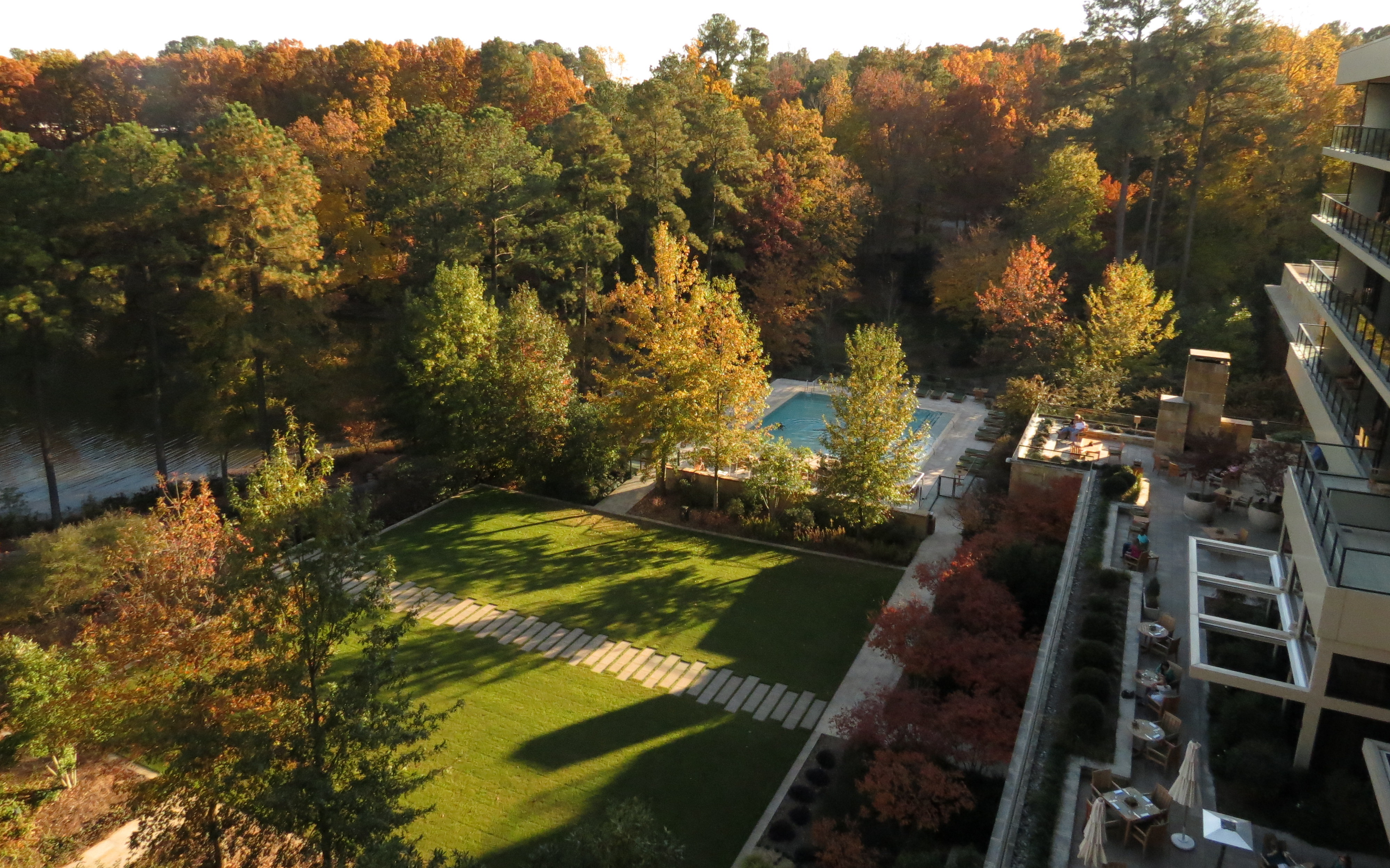
While celebrating the 50th Birthday of two dear friends, I had the very good fortune to spend time at The Umstead Hotel and Spa in Cary (near Raleigh) North Carolina. While not an overnight guest, I had the opportunity to enjoy the natural landscape, a delicious brunch and to realize the peace, serenity and absolute luxury that guests enjoy.

According to Our State: North Carolina Magazine, the Umstead was built on land that used to be part of the William B. Umstead State Park. “The hotel is a reflection of the surrounding serenity with a limestone exterior that rises up from naturally landscaped earth. Off the terrace, a shaded boardwalk invites visitors to linger around a pond fringed with blue flag iris and a grove of young cypress. Inside, sleek wood paneling, stone floors, and walls of windows pull nature indoors” (http://www.ourstate.com/brilliant-oasis-the-umstead/).

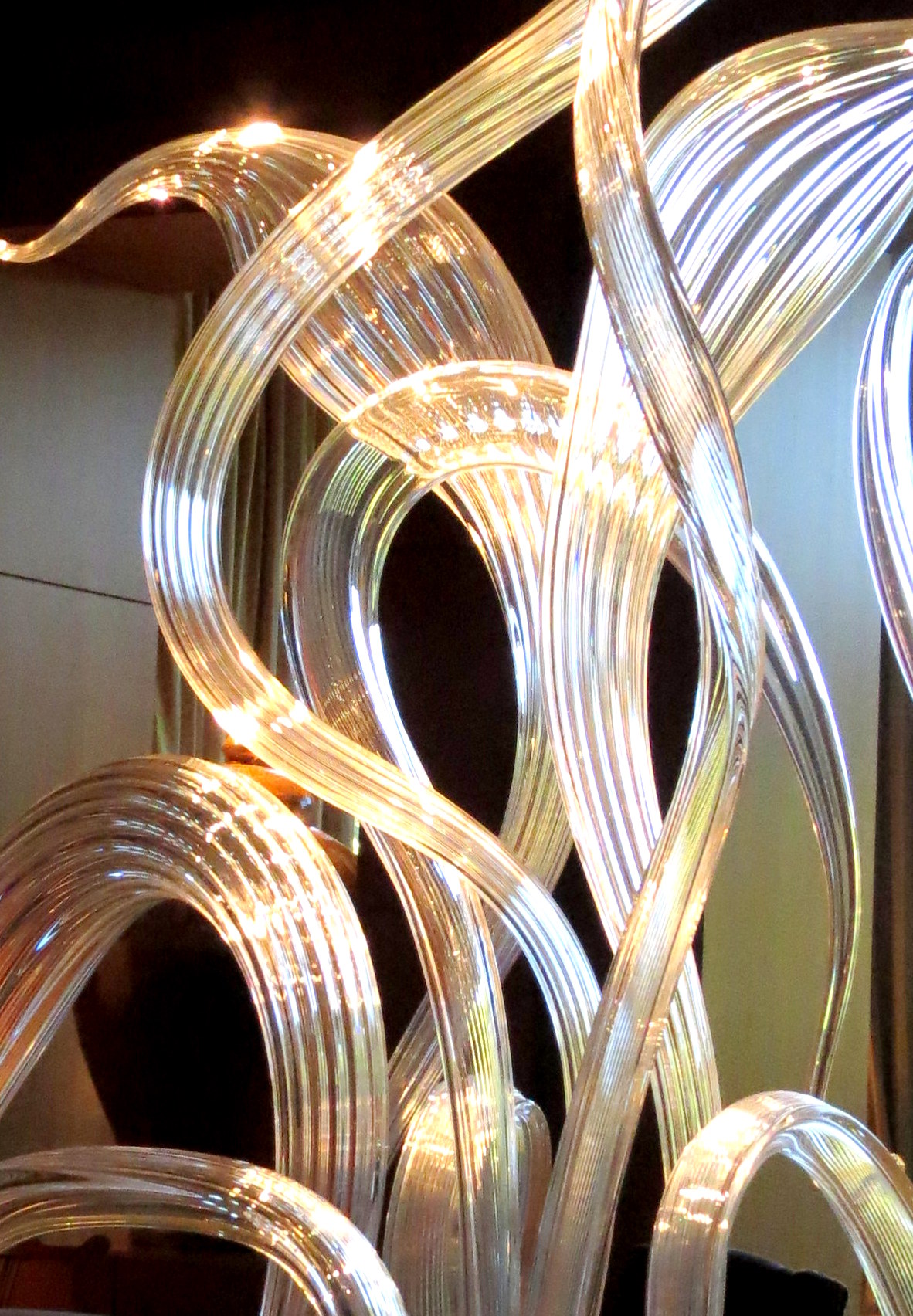
The Umstead also boasts an extensive art collection. I wandered the interior of the hotel, stopping time and time again to enjoy the paintings, sculptures and photographs, all a reflection of the natural world. I had not thought of writing about the experience from the perspective of art (hey – I was here for a party!), but I wish I’d taken more time with the camera. As I stopped to photograph some of the pieces, I thought about how I don’t know much about art but I do know what catches my eye.



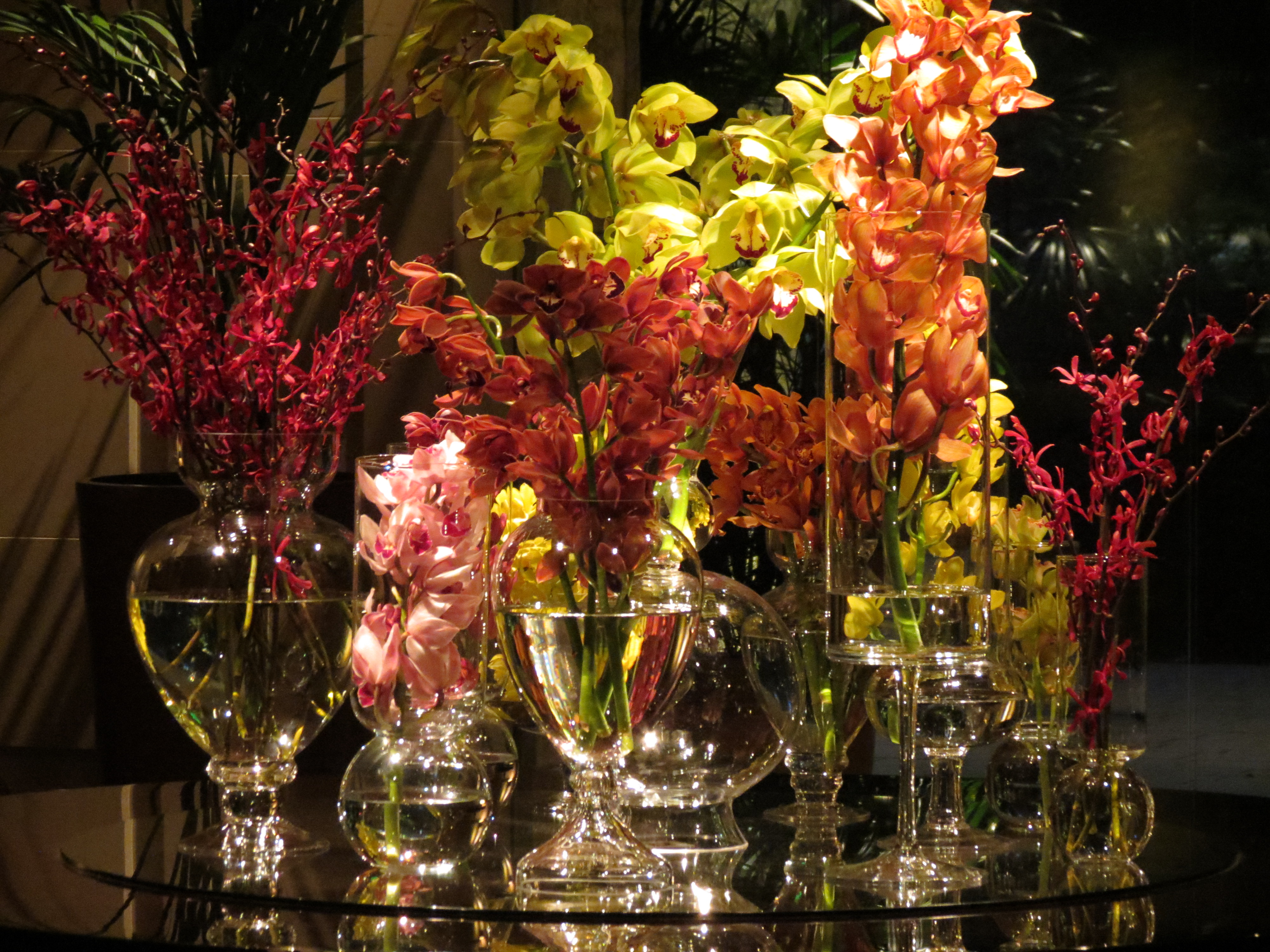
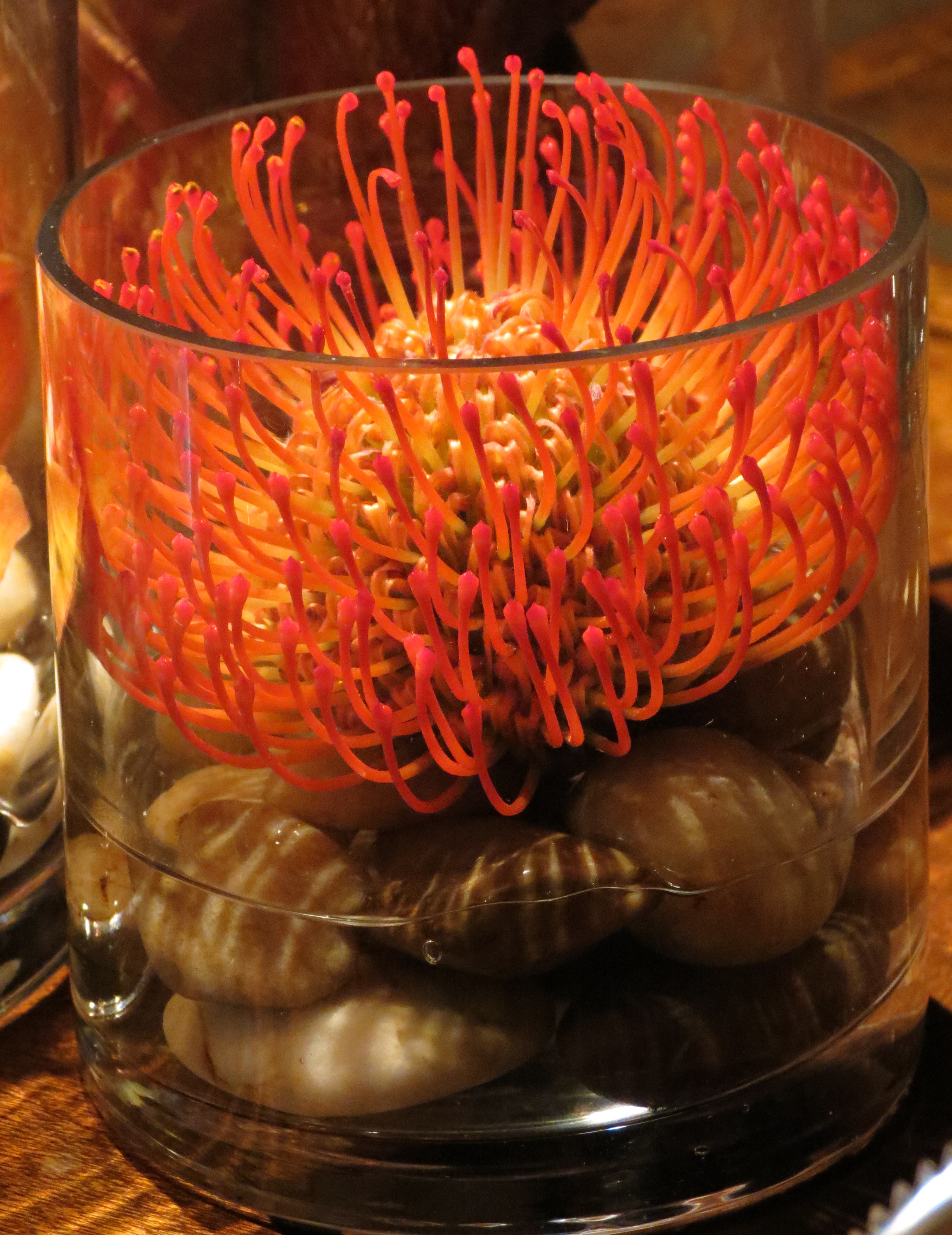
The flower arrangements were stunning!



And even the presentation of the table and food were beautiful to see.

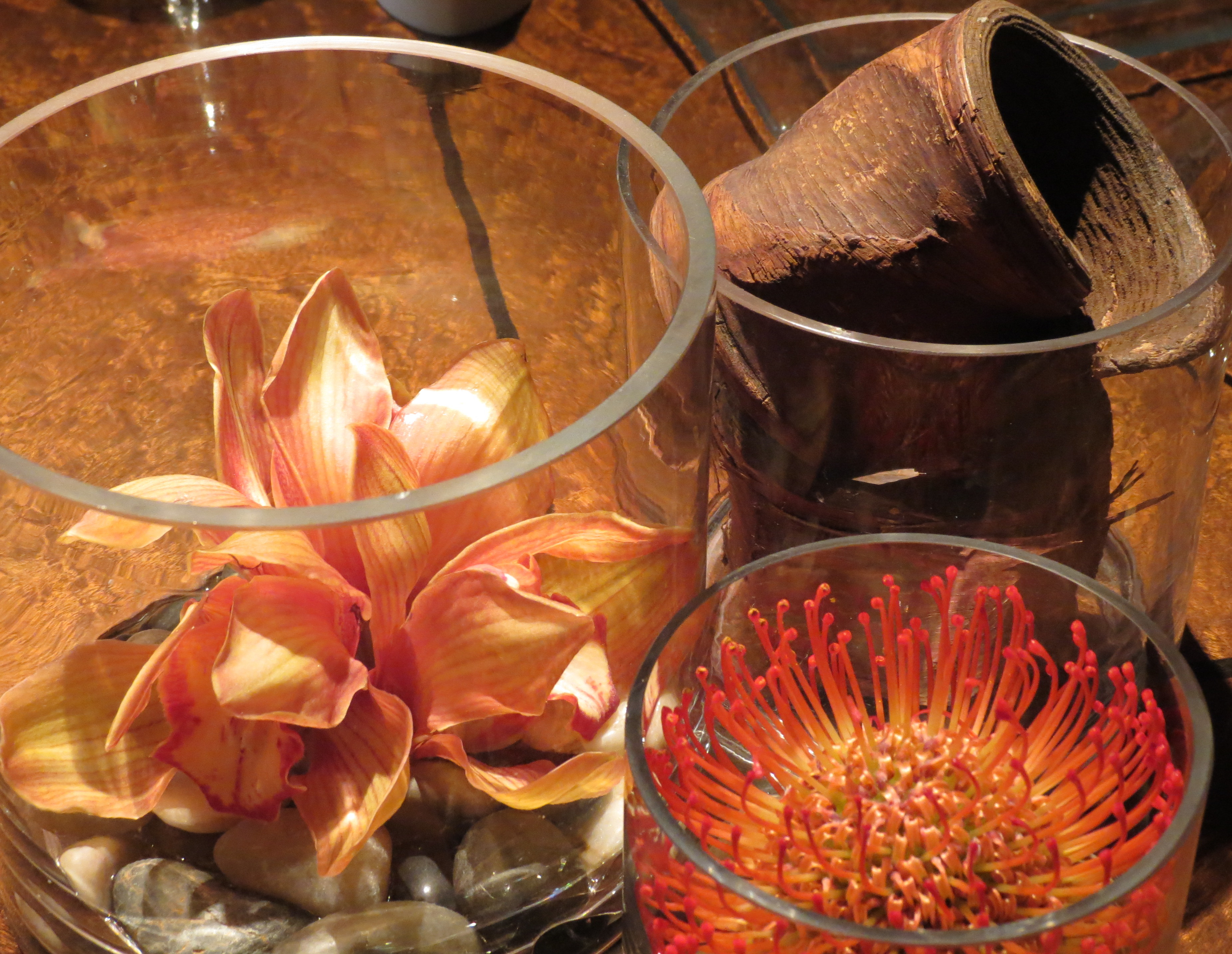
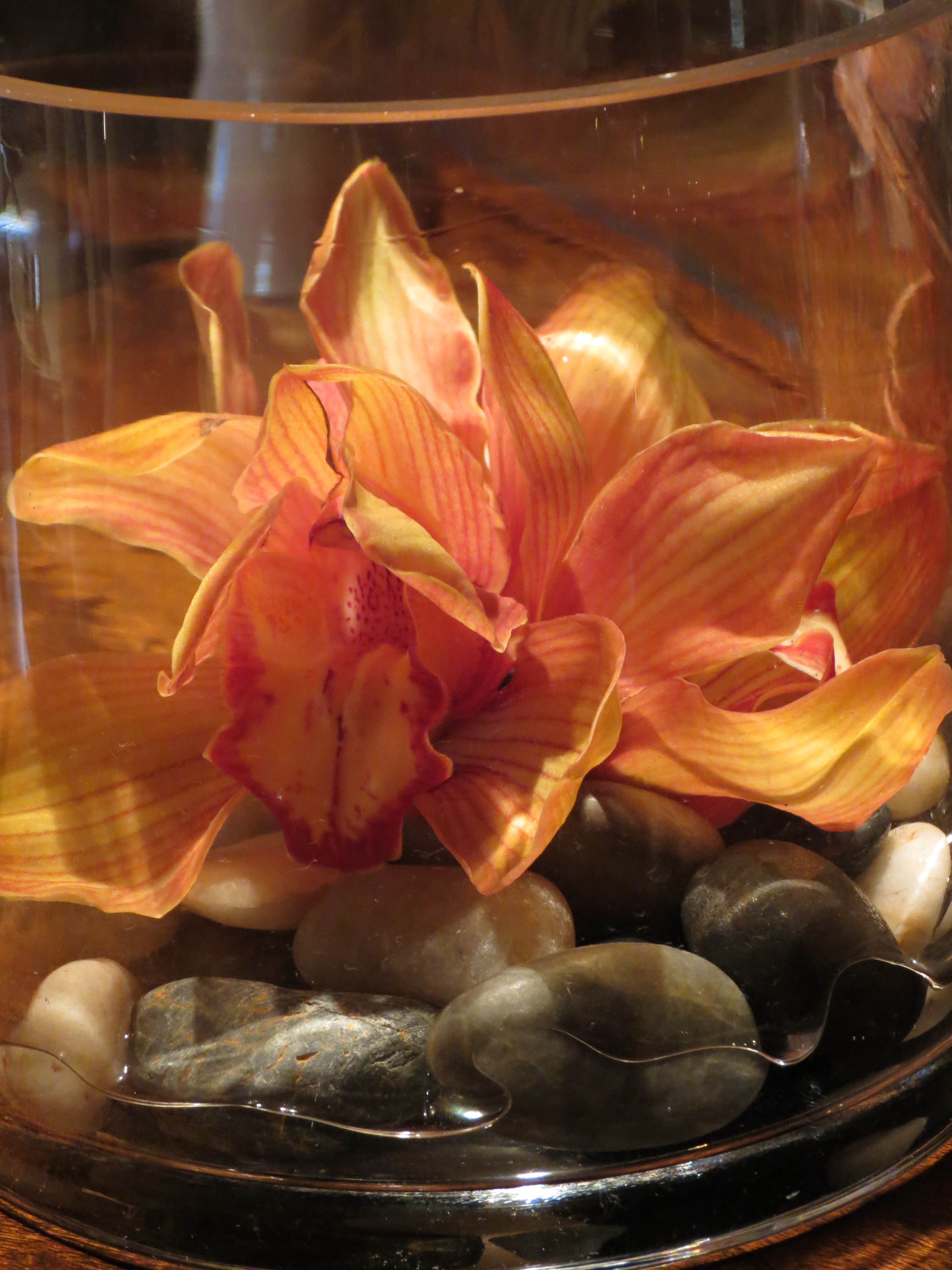
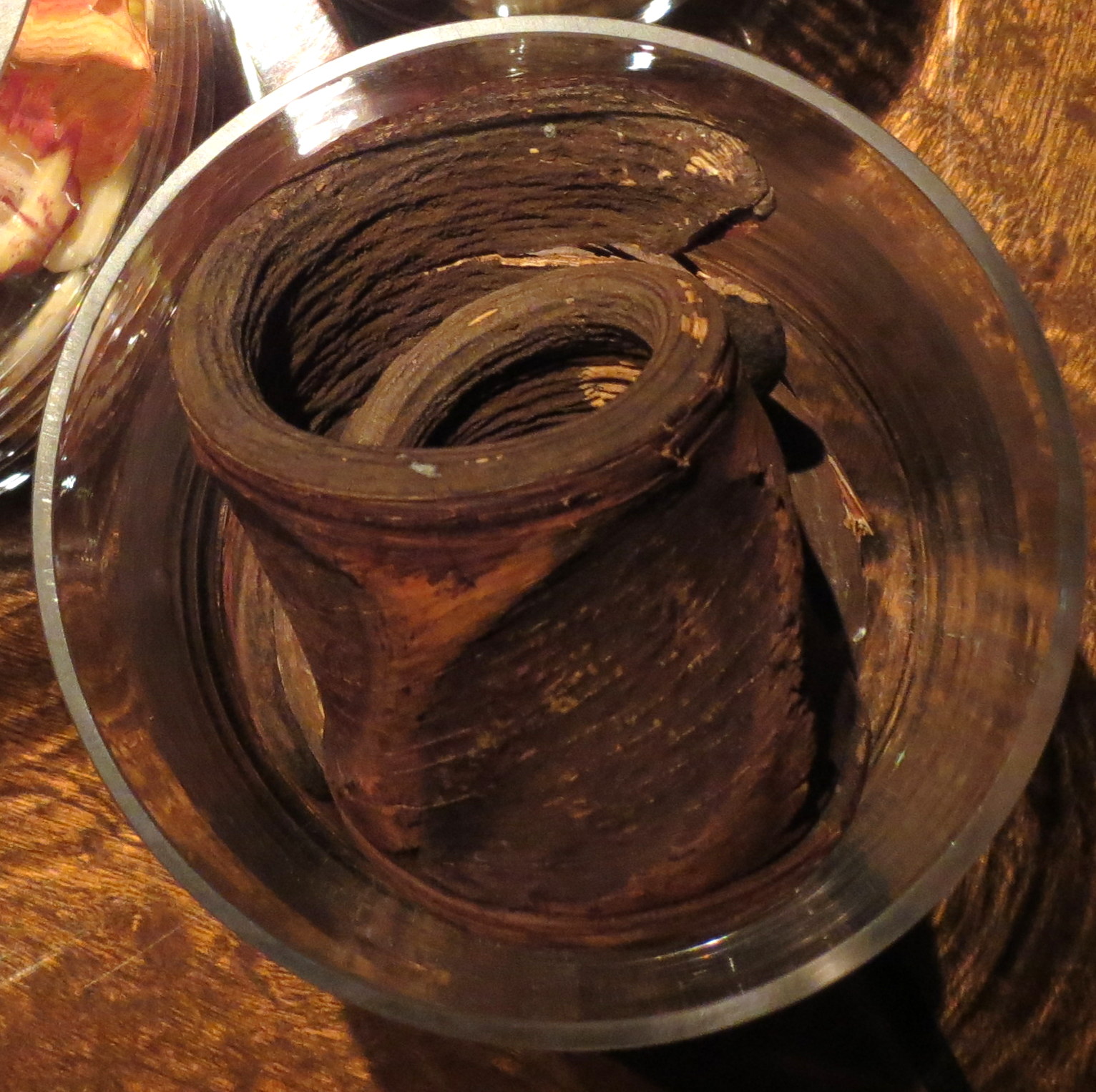
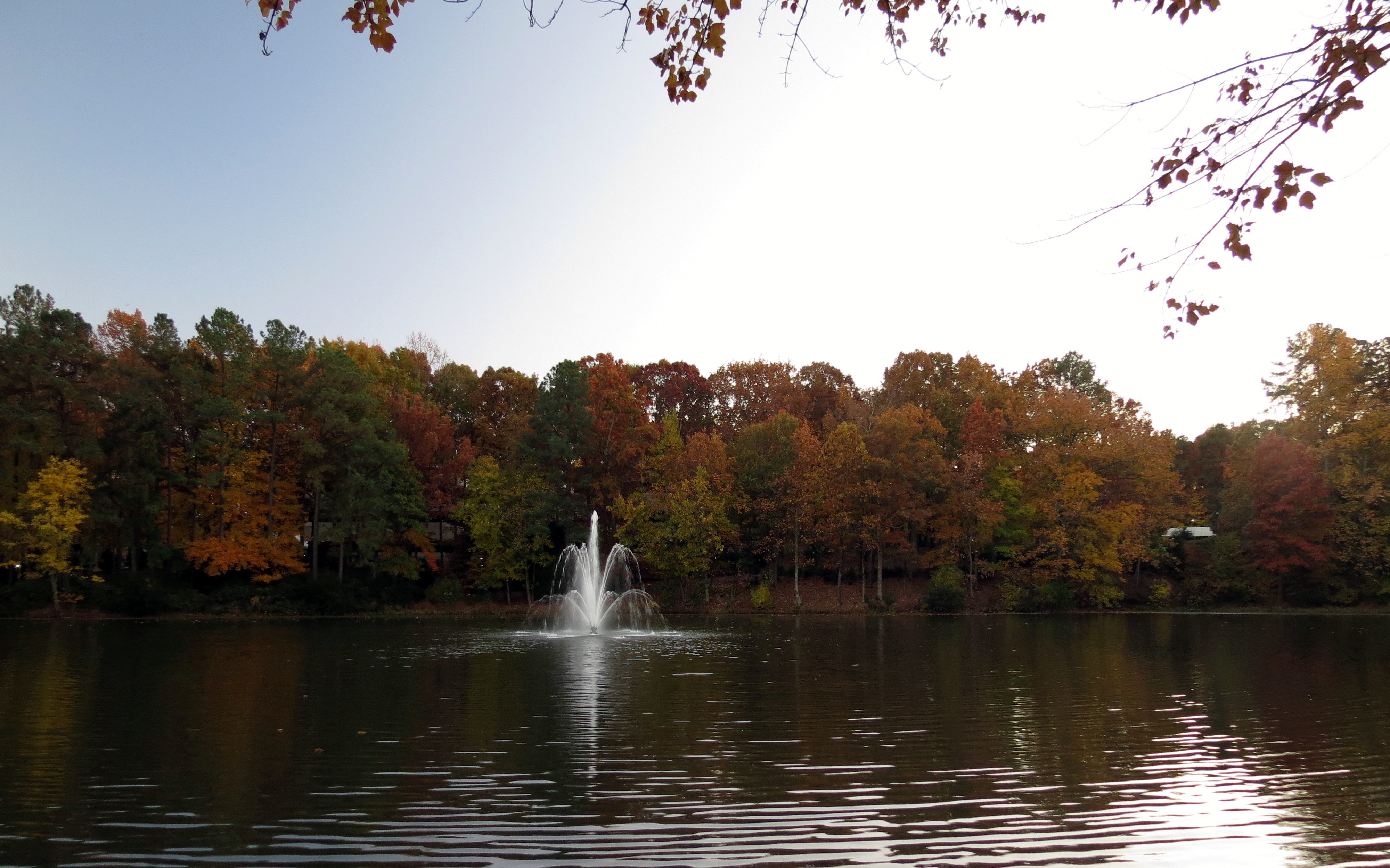
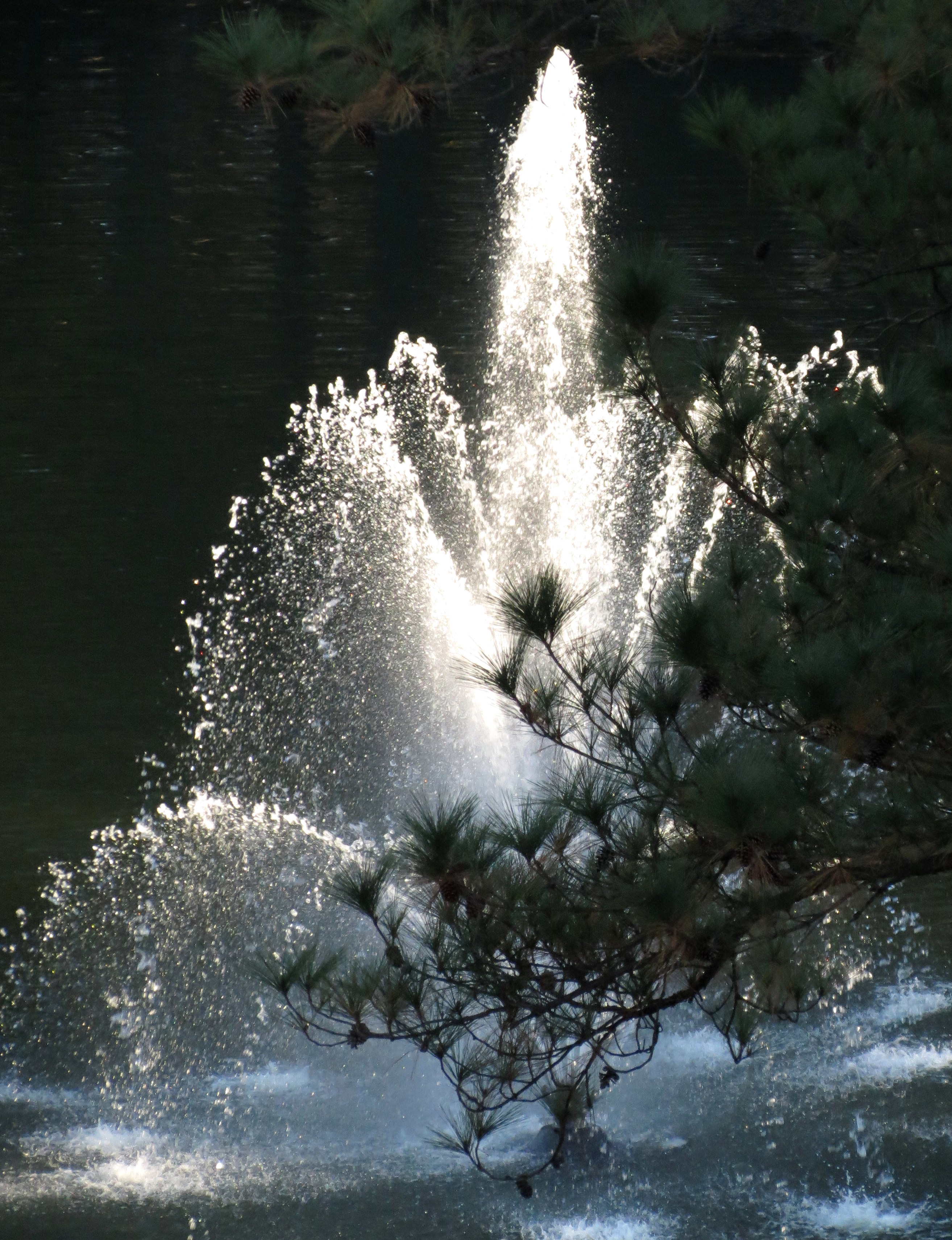
A stroll along the walking paths took us through the trees and alongside a pond. The hotel boasts it’s sustainability and I loved that over 50% of the food products for Herons, the in hotel restaurant, and over 30% of the food products for the entire property come from local North Carolina purveyors (http://www.theumstead.com/ourHotel/sustainability-en.html). We watched as one of the chefs selected herbs for the days meals.
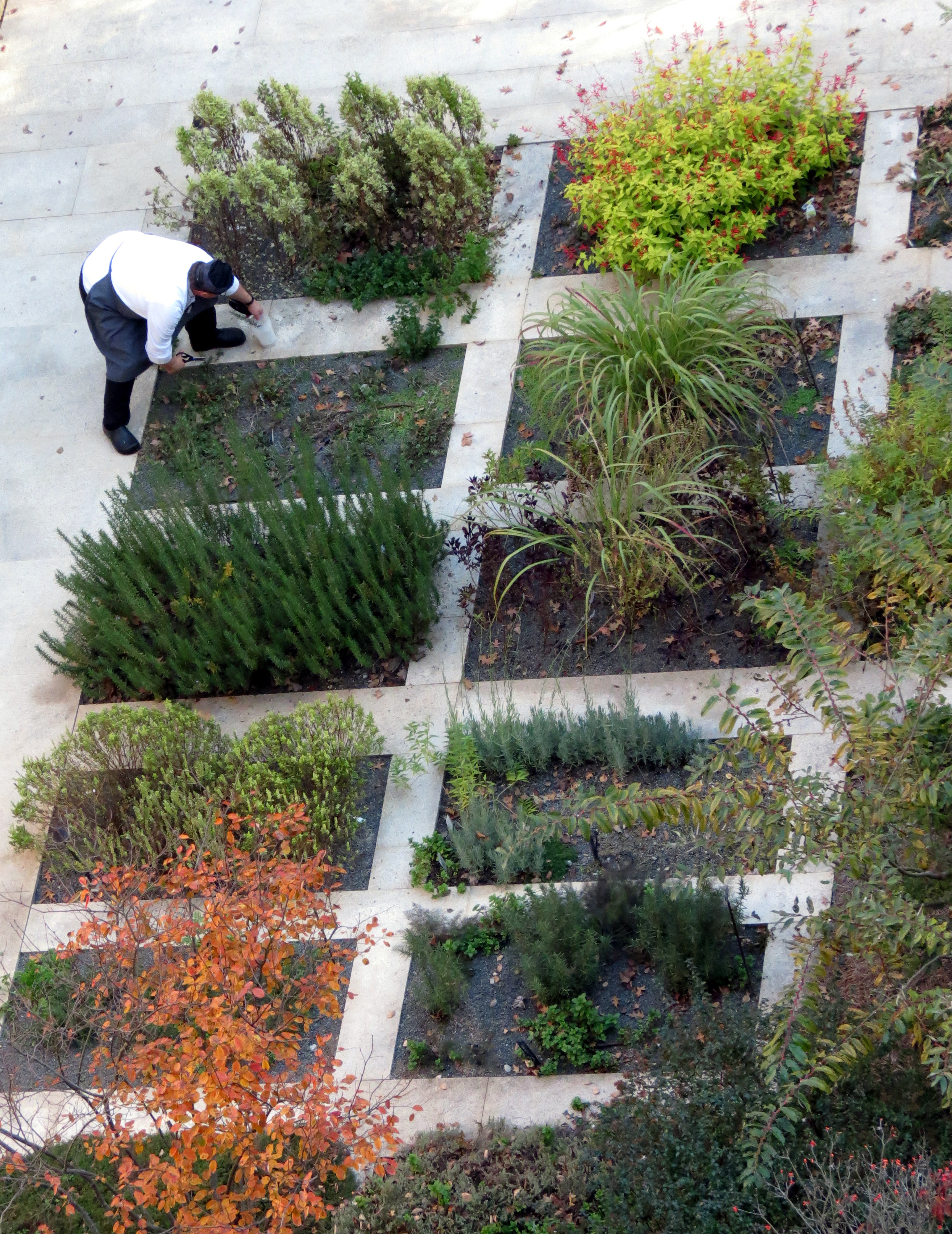

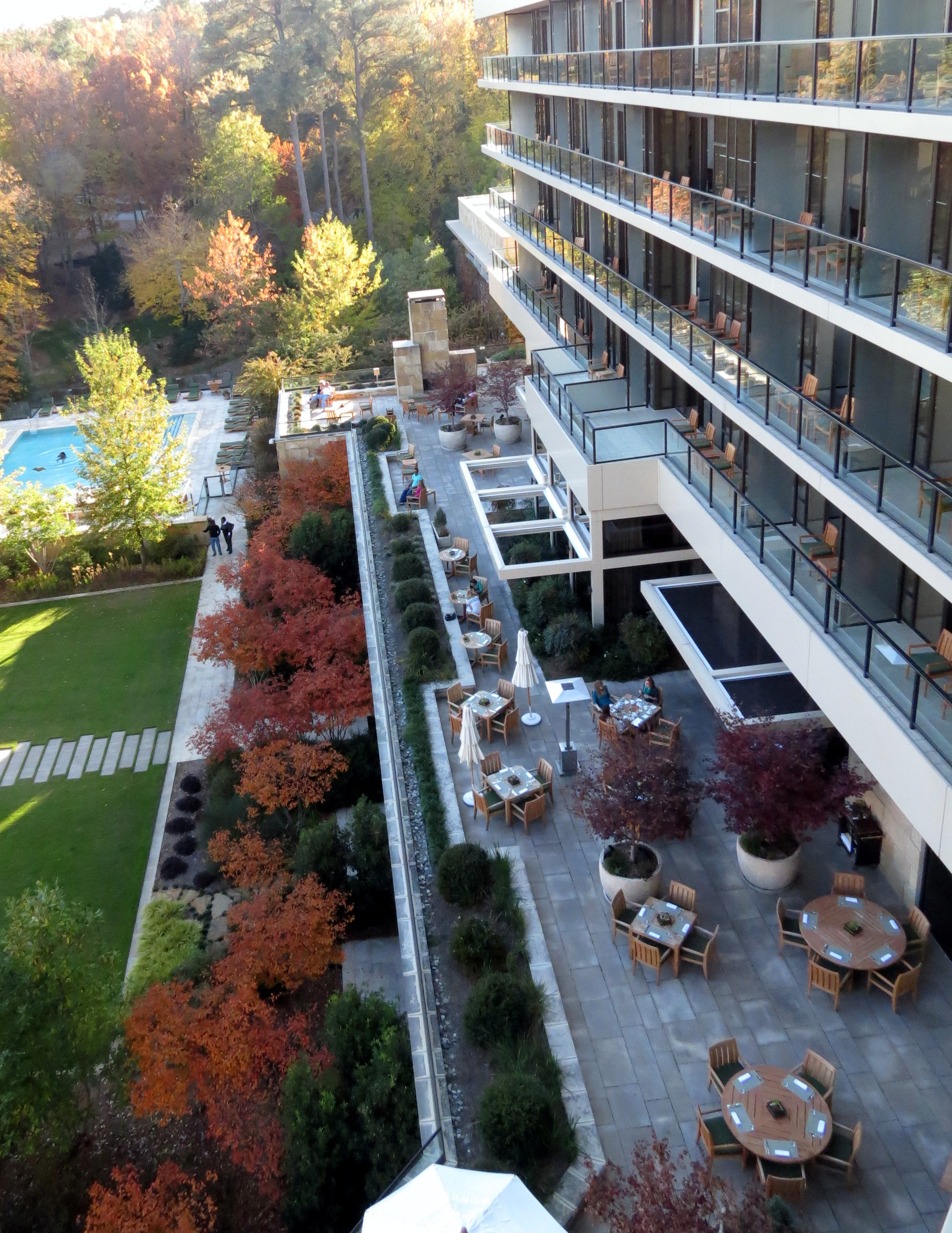
What an absolute treat it was to spend a few hours at The Umstead. I kept joking with my friends that I understood why people wanted to be rich … I would have loved to spend a few days, rather than just a few hours, here.
Even the trees put on a show for us.