Unknown's avatar

History and Art on the GAP

The Great Allegheny Passage is a 150 mile Rail to Trail that runs between Cumberland, Maryland and Pittsburgh, Pennyslvania. Work contstraints had my friends and I doing half of the GAP in the Fall of 2025 (you can see the posts about that ride here and here) and the second half of the GAP just three weeks ago.

We arrived in Ohiopyle, PA the night before the ride, glad to be reunited with the beautiful Youghiogheny River.

Ohiopyle is a super fun “trail town” that caters to cyclists, walkers, backpackers, and river runners. We enjoyed dinner at Falls City Restaurant and Pub and slept well at the Falls Market Inn.

The next morning, after a delicious breakfast with our support crew at the Falls Market Restaurant, we set off!

It was an incredible day and we were so happy to be back on the GAP.

One of my favorite parts of riding a rail trail is learning the history of the people and communities along the way. The GAP runs through the Laurel Highlands region which is “shaped by Native American heritage, pivotal early American conflicts, and coal, coke, and steel booms”.

An unexpected pleasure is seeing public art along the way. “The Connellsville Gateway Arch, with it’s colorful stained glass fanning 16 feet into the air, welcomes eastbound travelers on the Great Allegheny Passage. Built from formed concrete, coal, and riveted steel, the arch features materials made in the town’s own Youghiogheny Opalescent Glass Factory”.

We loved the murals on three industrial silos owned by Youghhiogheny Glass. Artists Chris Galiyas and Meeghan Triggs originally painted the silos in 2008, and due to fading over the years, were restored in 2022 by Galiyas.

“To honor the steelworkers past and present, the Yellow Dog sculpture was developed through the collaborative efforts of sculptor Jim West, George Junior Republic’s Fine Arts program, and the welding program at the William H. Gladden Career and Technical Center on the campus of George Junior Republic”.

We also enjoyed the unofficial pieces of art that bring smiles.

And then we came across the Darr Mine Memorial Mosaic.

The Darr Mine disaster occurred on December 19,1907 and was the deadliest coal mining tragedy in Pennsylvania history, claiming the lives of 239 men and boys. Created by mosaic artist Rachel Sager, “the memorial includes 239 individual mosaic plaques mounted on an old stone retaining wall. Each unique mosaic is built into a vintage film canister—resembling the metal miner tags left behind in the earth”.

The explosion left 130 widows, 300 children without fathers, and 542 people without a source of income. 

Rail Trails follow historic railroads, pass through small and large towns, and preserve the surrounding countryside and history. Next post will be about our fourth and final day on the GAP.

Unknown's avatar

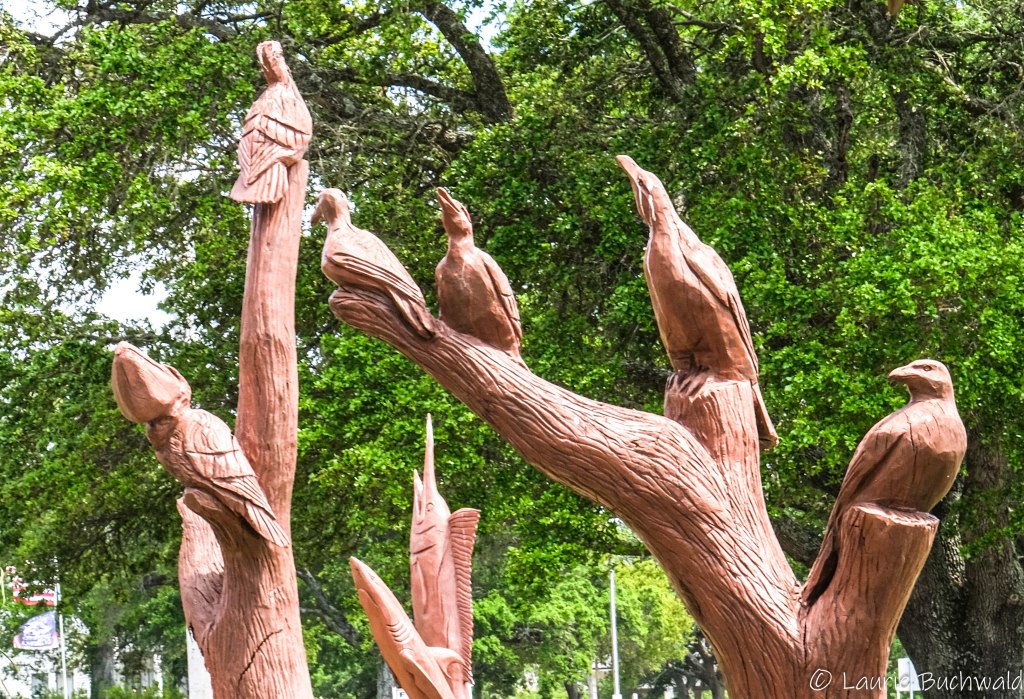
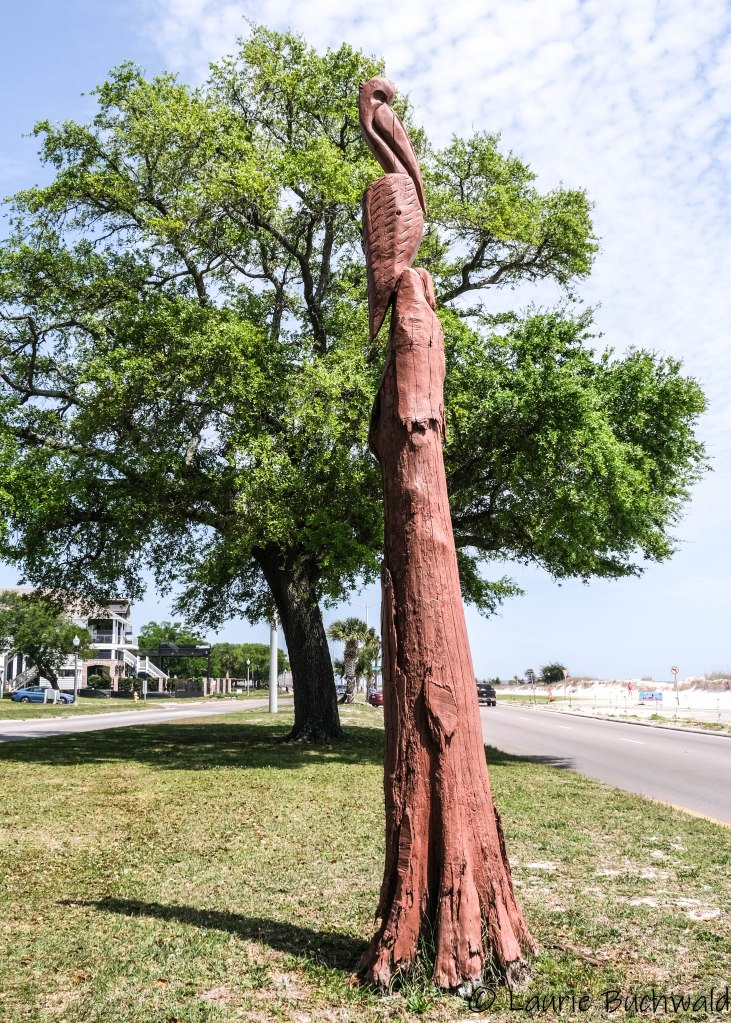
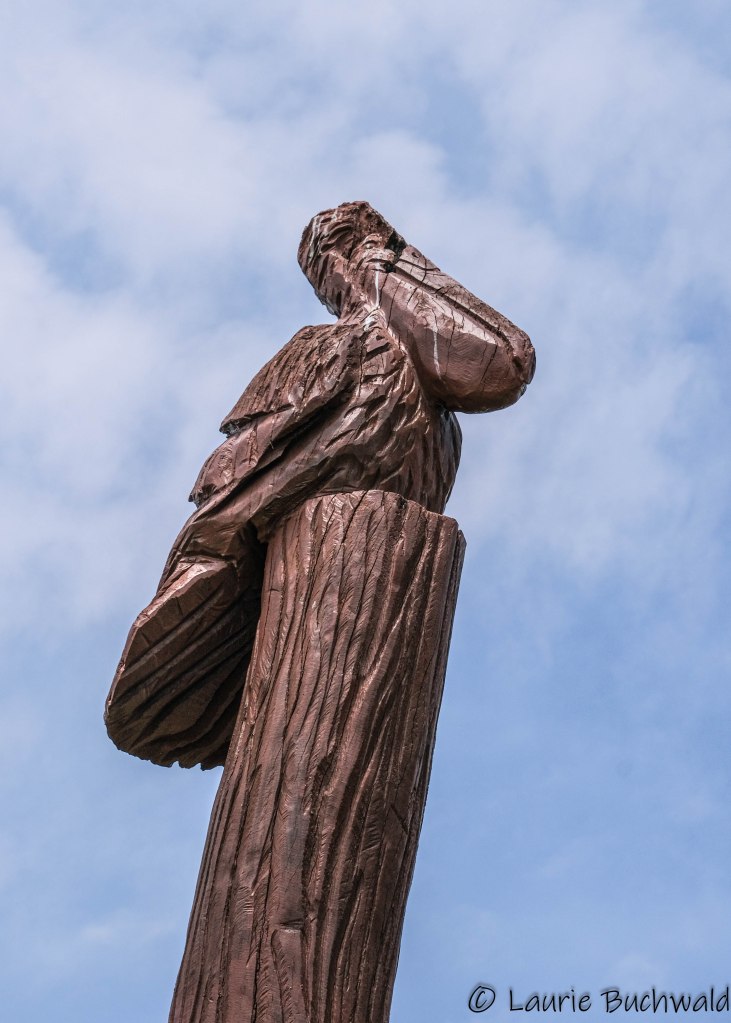
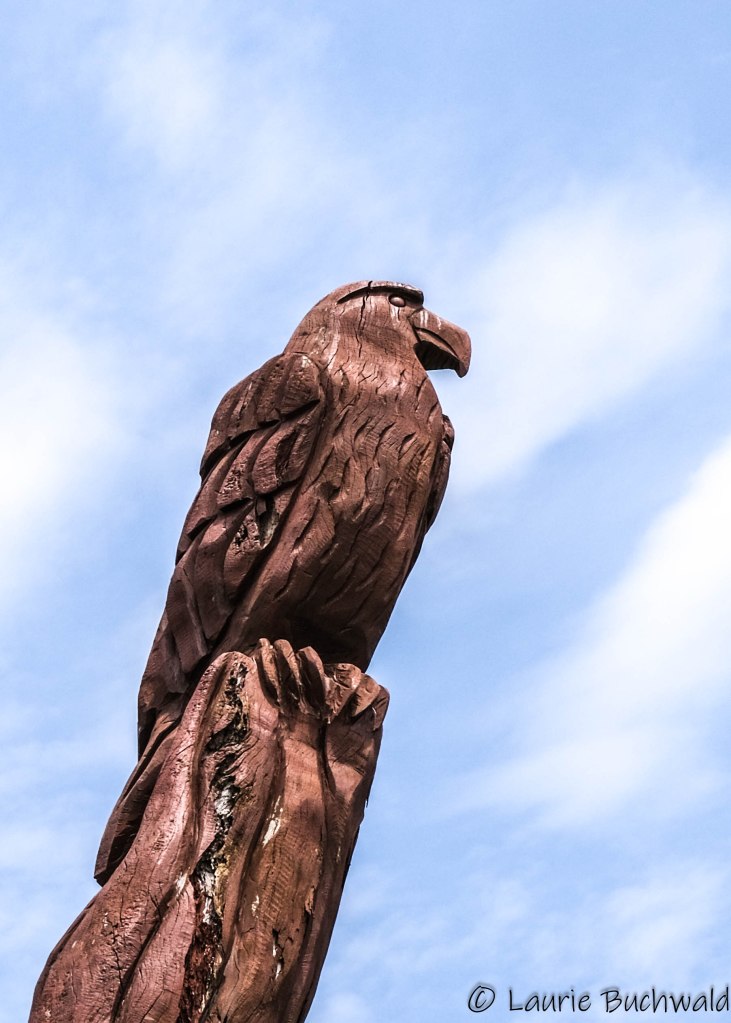
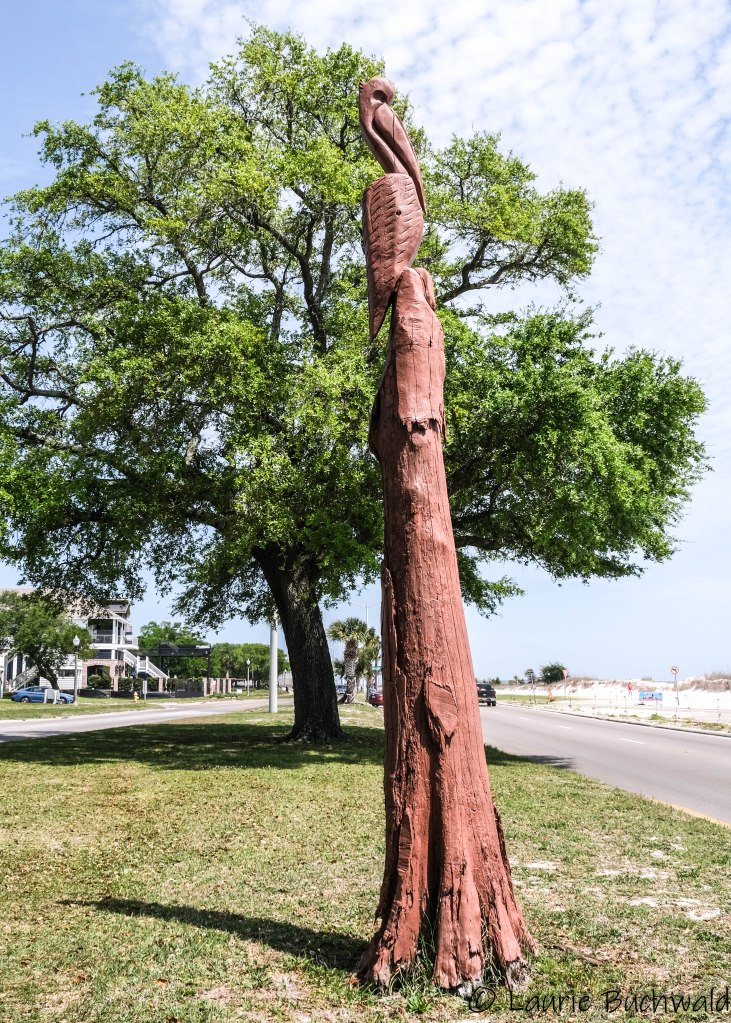
Hurricane Katrina Live Oak Sculptures

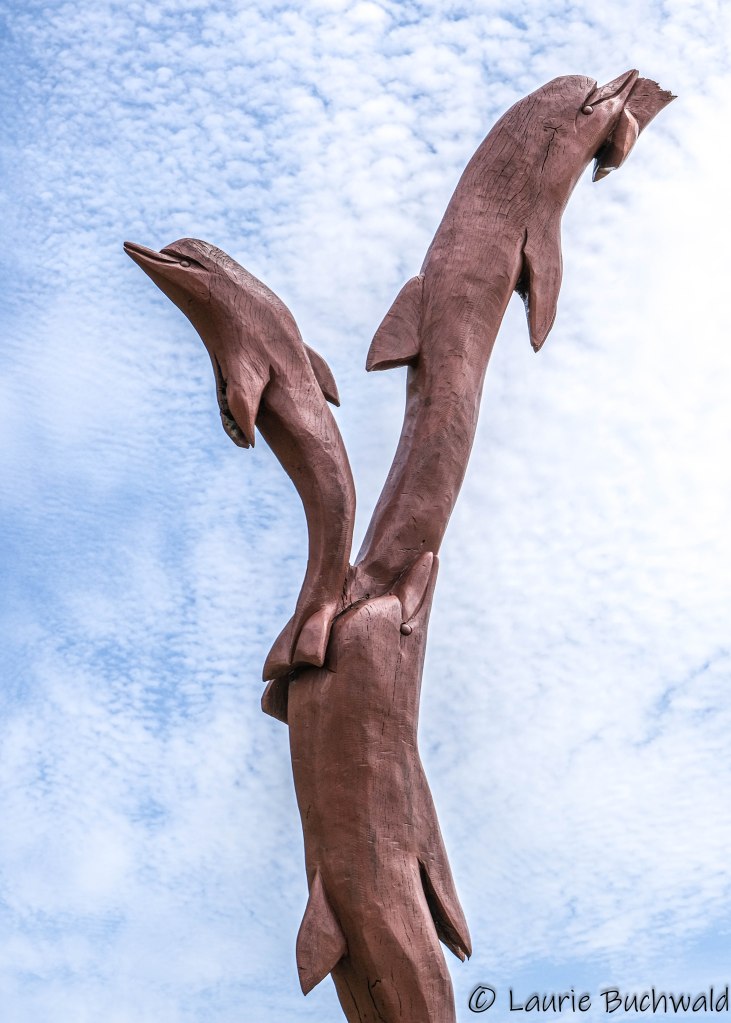
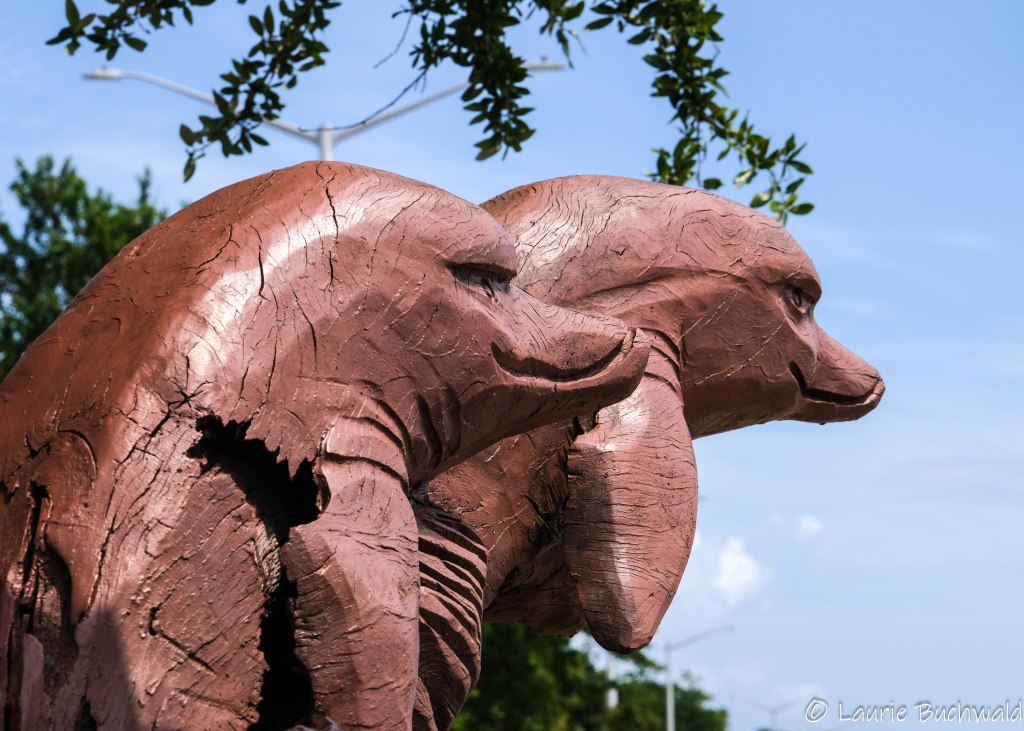
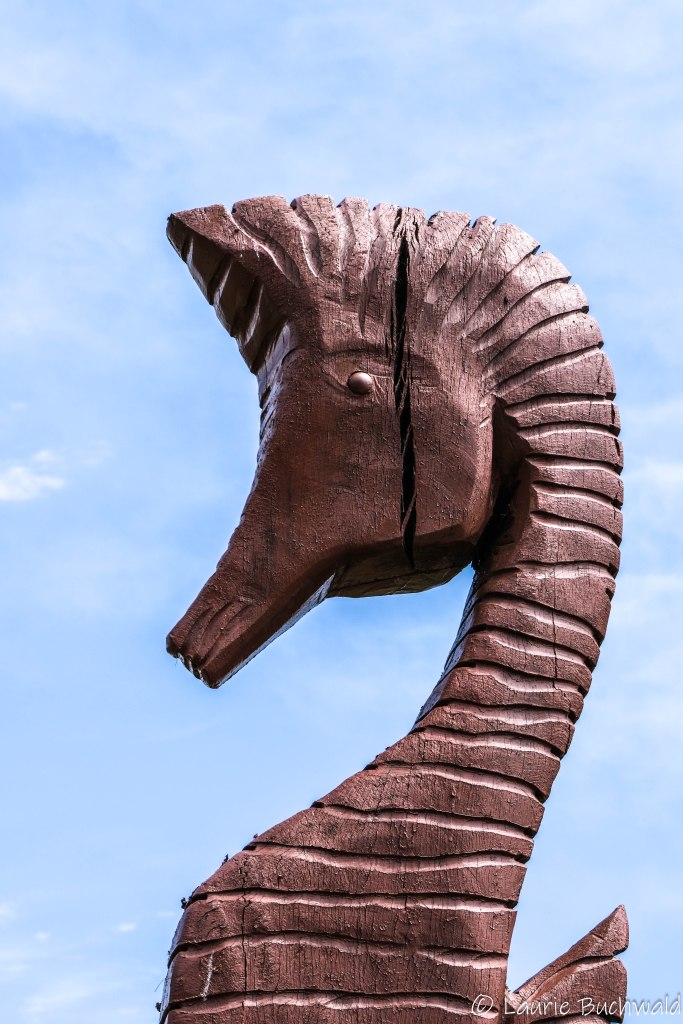
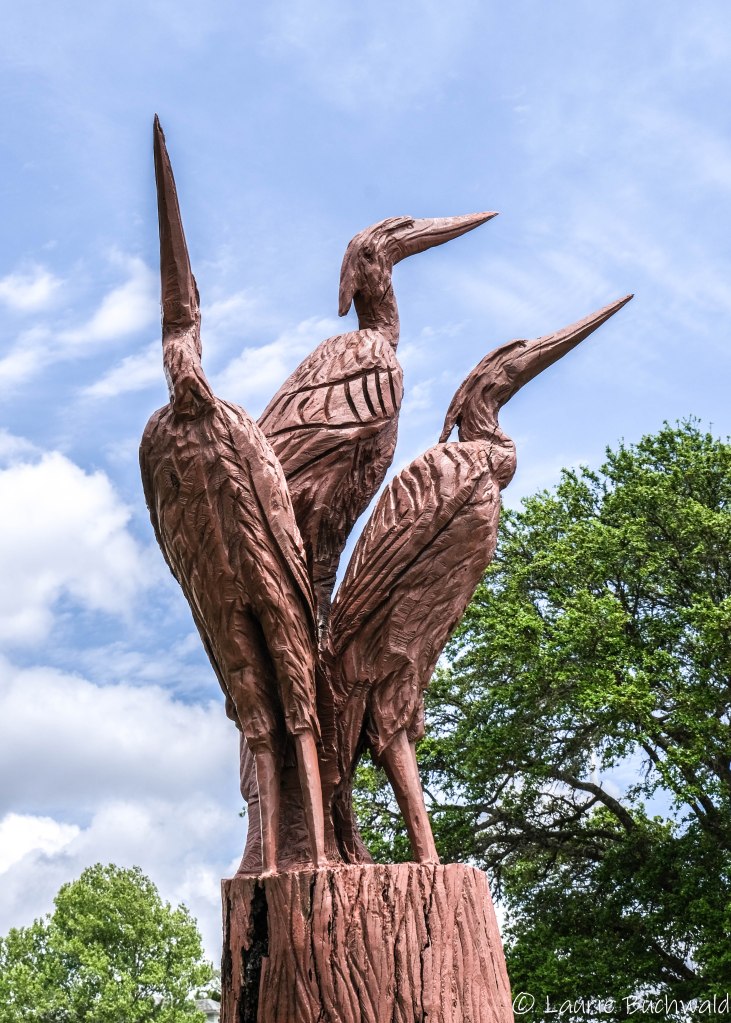
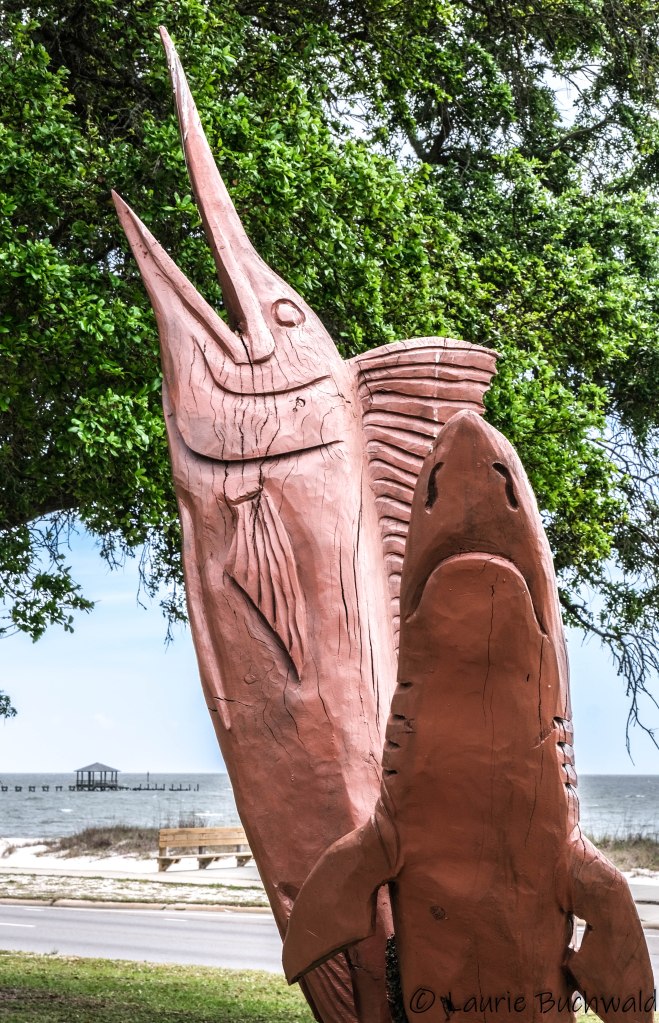
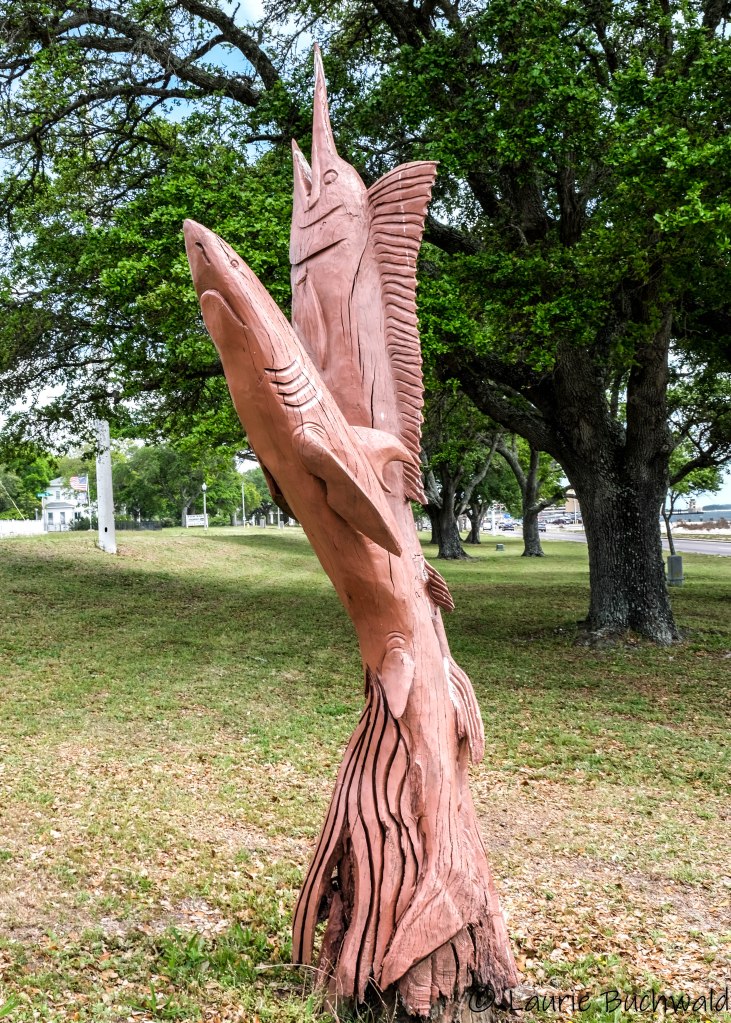
Recently, Greg and I spent a weekend in Biloxi, MS with our friend Tim, and prior to arriving, as I always do when trip planning, I researched things to see and do (oh my gosh, so much! More on that later). What immediately captured my interest were the sculptures made from the remains of Live Oaks.

Hurrcane Katrina hit the Gulf Coast in August of 2005 and caused over 1800 fatalities, billions in dollars of damage, and is considered to be one of the five deadliest hurricanes to have hit the United States. The Gulf Coast’s natural spaces and places were also impacted, including dozens of Live Oaks, victims of the saltwater storm surge.

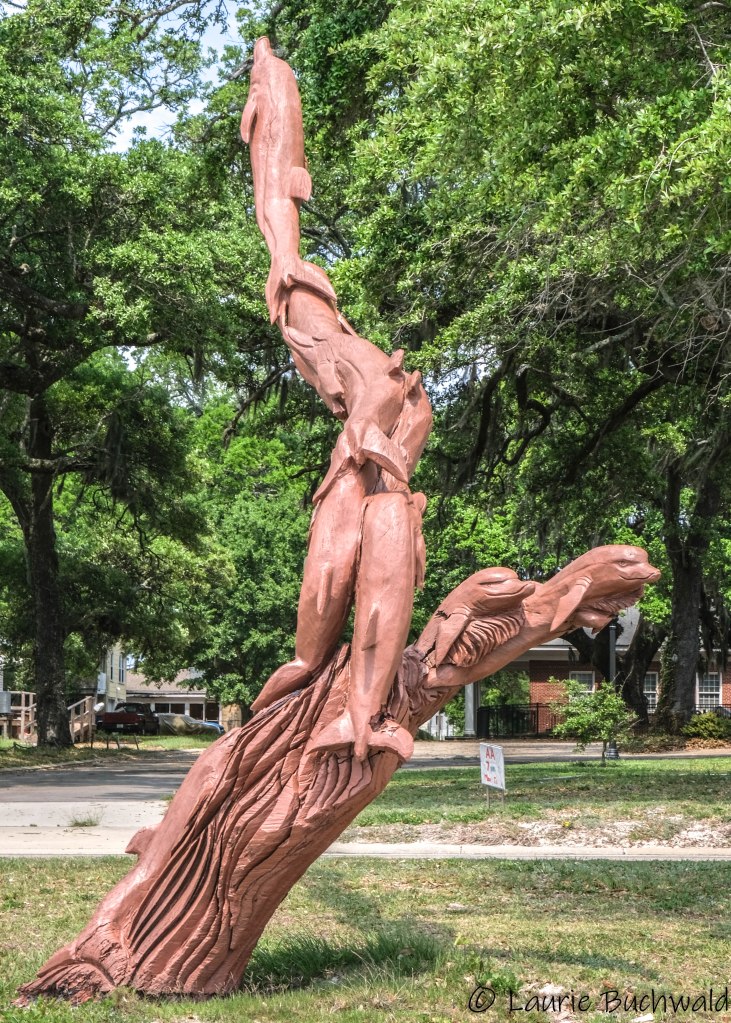
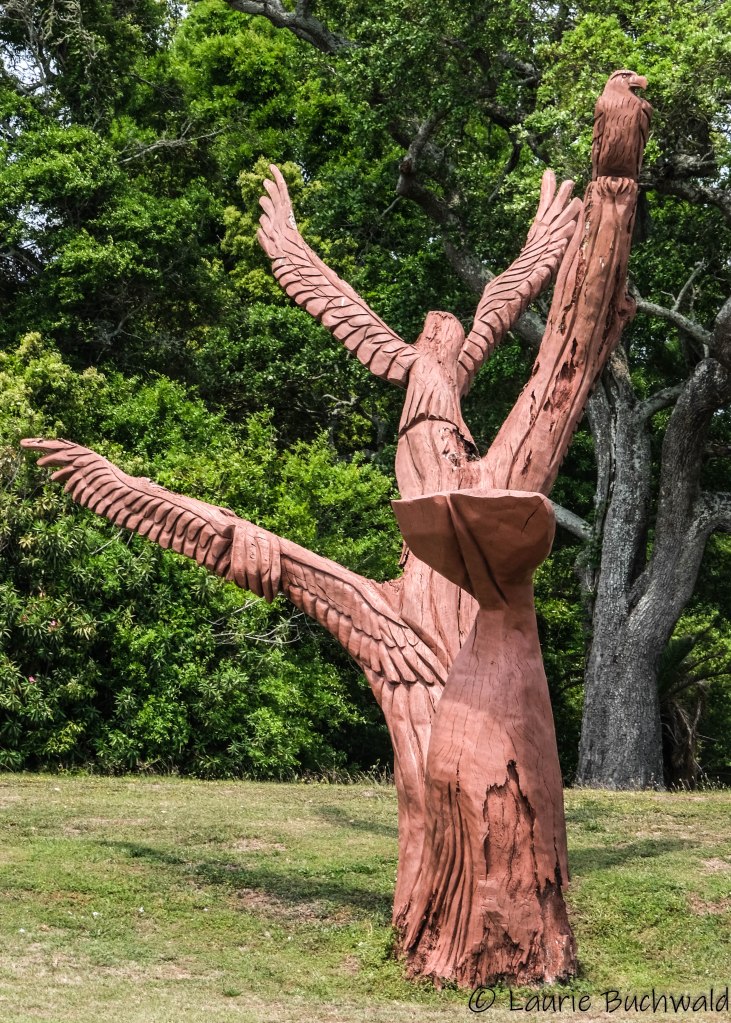
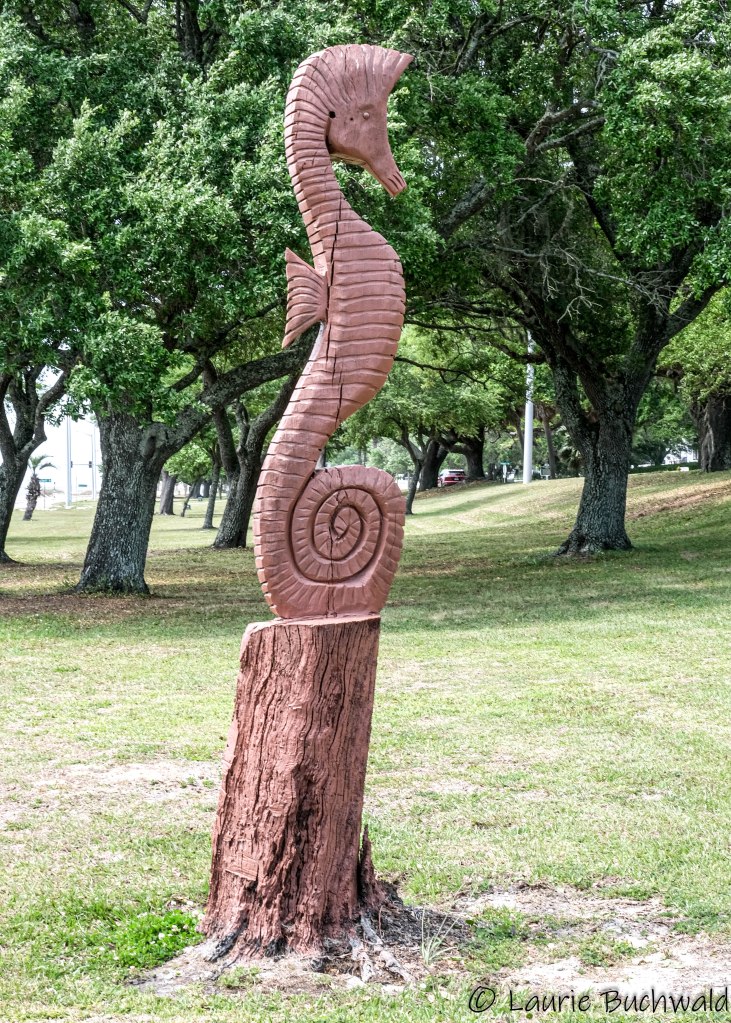
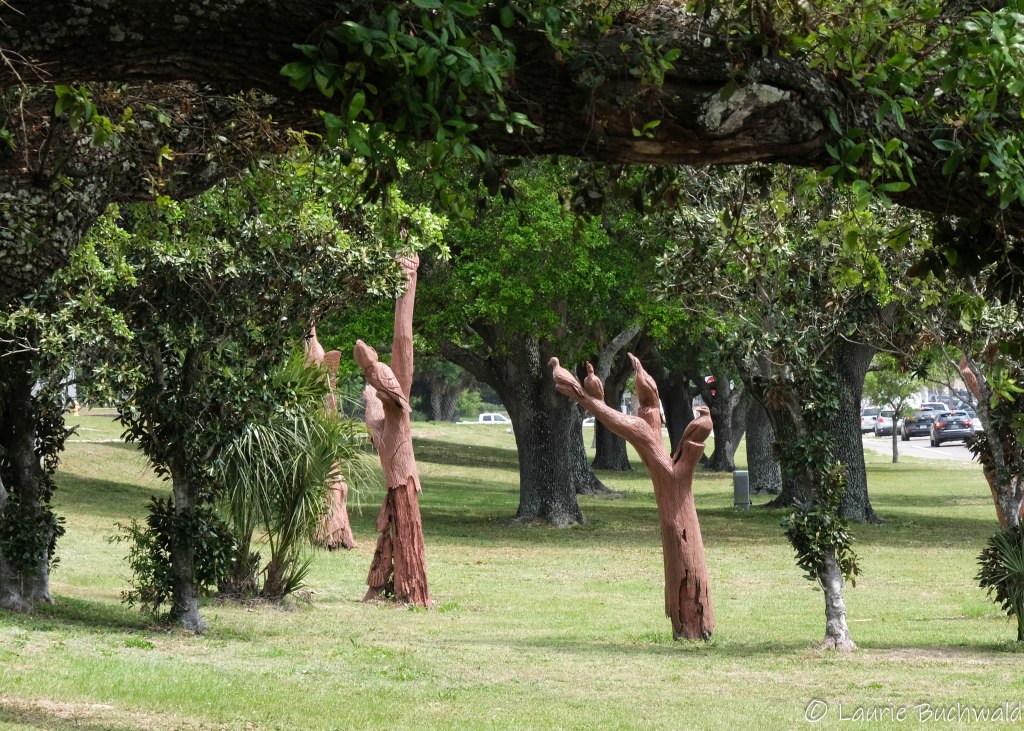
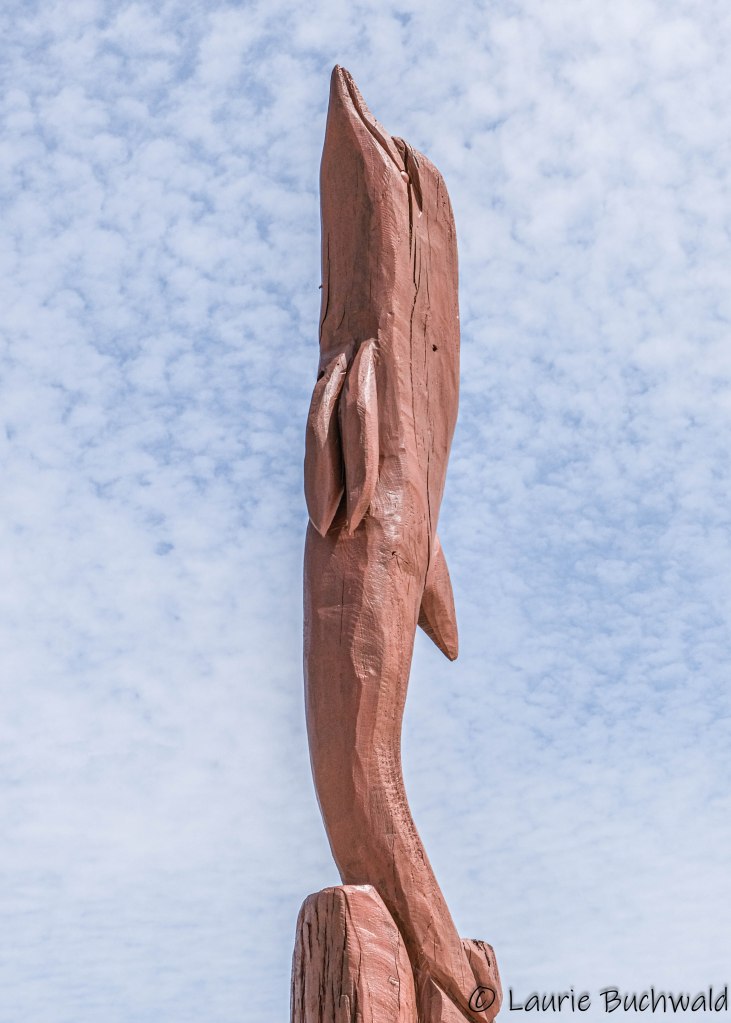
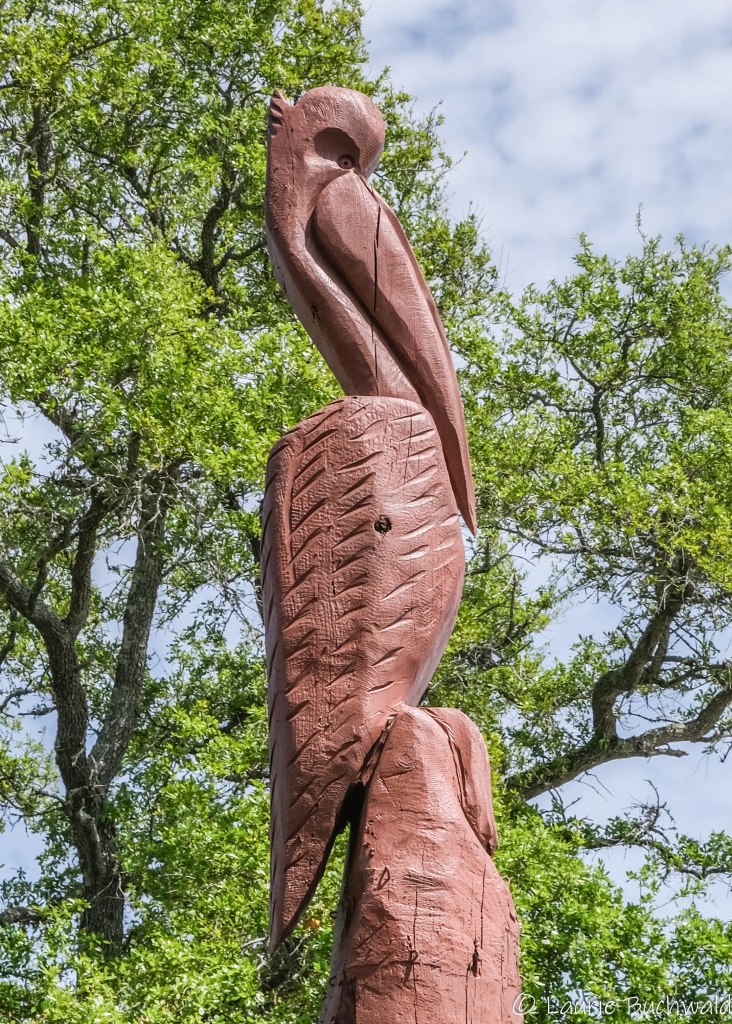
Biloxi’s Katrina sculpture project began in January 2007 when Mayor A.J. Holloway and Public Affairs Manager Vincent Creel spoke with Mississippi “chainsaw artist” Dayton Scoggins about sculpting marine-related figures from the dozens of standing dead trees in the median of Beach Boulevard in Biloxi.

“Scoggins’s initial five sculputres — a $7,000 investment for the city — inspired Fort Walton Beach, Fla, sculptor and frequent Biloxi visitor Marlin Miller to approach the city about donating his time and talent to sculpting more standing dead trees in the center medians in Biloxi”.

There are approximately 50 tree-sculptures along the Mississippi Gulf Coast, including the world’s largest eagle sculpture, standing at 17-feet-tall, located on Highway 90 in Pass Christian.

My friend Tim was kind (and patient) enough to drive along Highway 90 / Beach Boulevard, dropping me off at various places, and then coming back to get me. Imagine this: me dodging cars to cross the road and then standing amongst biting ants to capture these images. It was high noon so the photographic timing wasn’t the best, but I was in awe none the less. I captured some of the images up close, but others from afar so you’d be able to see the remains of the base of the trees.

These artists created egrets, seagulls, pelicans and dolphins, and seahorses, eagles, and herons.

I can only imagine the comfort these donated works of art offered to a devastated Gulf Coast.

If you are ever in Biloxi, know that these inspiring sculptures, created by generous artists, await to be viewed.

Unknown's avatar

Atlanta: Public Art and Architecture

You all understand the challenge.  You travel to a new city / country / place and arrive back home with a zillion photos to work through.  It takes time, but it also offers the opportunity to remember the experience and relive the fun.

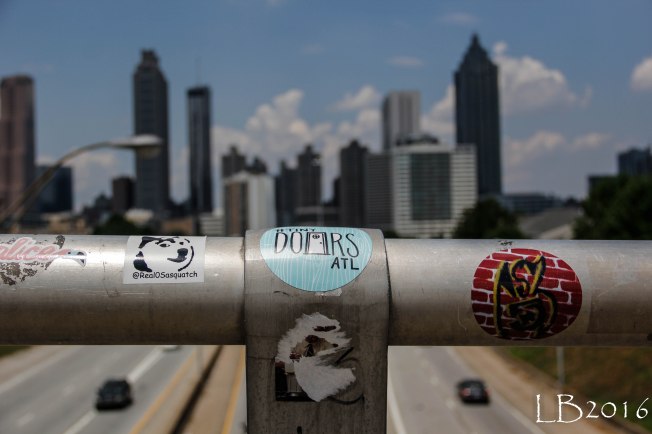
I was in Atlanta for just 48 hours, but oh my gosh, I had a blast!  My son Andrew, who has only lived in Atlanta for 2 years, knows the city like someone who has lived there much longer, and he was an excellent tour guide around this diverse, exciting city.  He took me to the Jackson Street Bridge, a local landmark known as THE place to get a shot of the cityscape.

_MG_2939-2

With this post, and the two that follow, I’ll introduce you to the Atlanta that I experienced.  The posts are longer than typical for me, but years from now I’ll look back and be able to remember everything.

_MG_2908-3

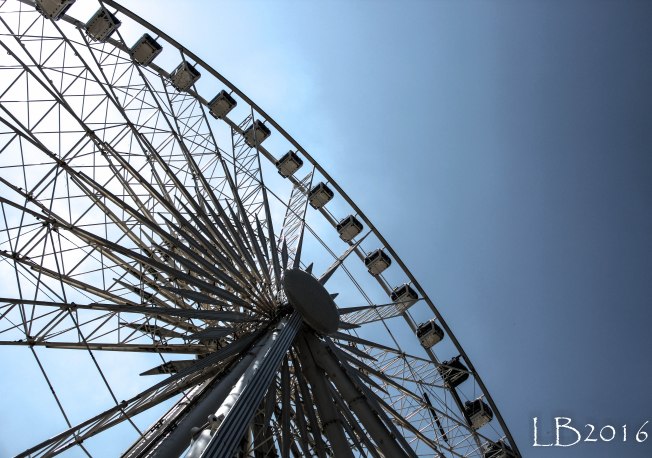
While quite the tourist attraction, and evidently a bit controversial, the Atlanta Skyview allowed me to see Downtown from on high.

_MG_2907-2

_MG_2923-2

All images were taken through the glass of the gondola.

20160611_120903-2

What fun it was to ride high above much of the city!

_MG_2913-2

The Skyview towers over the 21 acre Centennial Olympic Park, created for the 1996 Olympic Games.  Today the park performs a dual mission: it serves as Georgia’s lasting legacy of the Centennial Olympic Games and it anchors efforts to revitalize residential and commercial development in Georgia’s capital city of Atlanta.

_MG_2914-2

We spent much of my visit in various parts of Midtown, which is the “second largest business district in the city, situated between the commercial and financial districts of Downtown to the south and Buckhead to the north. Midtown is known for it’s cultural attractions, architecture, and urban layout”.

We visited walkable, intown neighborhoods, each one unique with shops, restaurants, and public art.

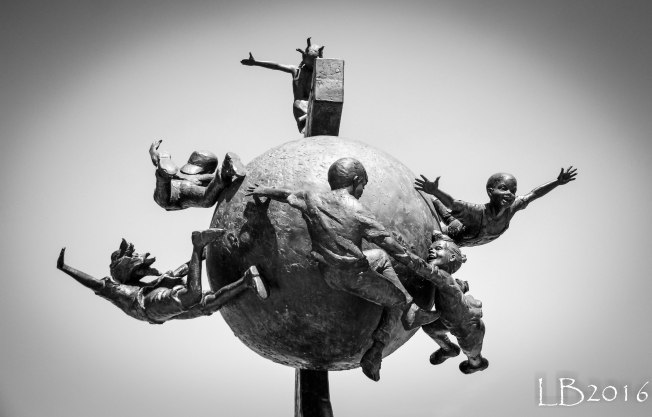
Visit my post on Monochromia to learn more about Celebration by Gary Lee Price.

_MG_2877-4

Listed on the National Register of Historic Places in 1971, the current Dekalb County Courhouse was completed in 1918.  The four previous structures were destroyed by fire, war, and demolition.

_MG_2881-2 _MG_2882-2

I’m sorry to say that I did not document the name or purpose of this next building, but I loved the architecture.

IMG_2885-2

Whether commisioned or not, public art is everywhere.  On the sidewalk, seen during my morning walk,

20160612_092601-4

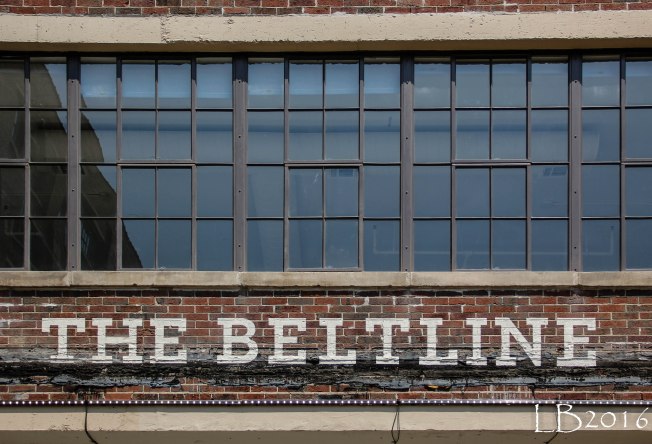
and along the Beltline, the city’s bikeway / walkway system.

_MG_2967-4

“The Beltline is transforming the city with a combination of rail, trail, greenspace, housing, and art. It will ultimately connect 45 intown neighborhoods”.

_MG_2960-2 _MG_3023-2_MG_2963

Public Art can be found in Piedmont Park,

_MG_3002-2

in neighborhoods,

IMG_2886-2

and sadly, along the streets.

20160610_155134-2

If you’ve visited my blog in the past, you’ve learned about Ghost Bikes.

20160612_115354-2

When taking shots from the Jackson Street Bridge, Andrew pointed out a sticker for Tiny Doors Atlanta, an Atlanta-based art project bringing “big wonder to tiny spaces.  With the installation of a door, what was once a wall or the column of a bridge becomes an entrance to collective creativity and an invitation to whimsy”.

_MG_2935-3

As we walked along the Beltline, Andrew pointed out this tiny door.  How cool is that?

_MG_2965-2

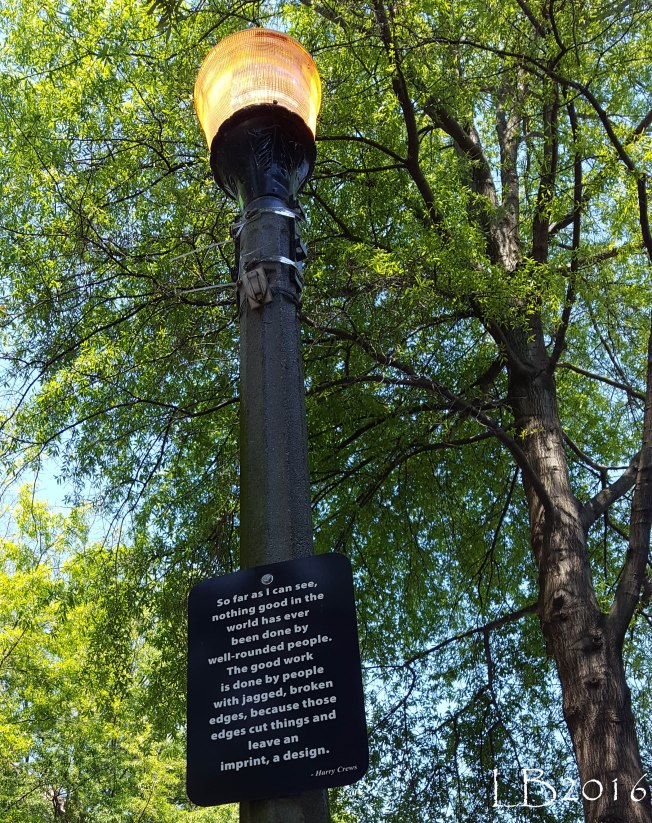
I was also enamored by the messages posted on various streetlamps.  The words of Harry Crews, an American novelist, playwright, short story writer and essayist, are posted here.

20160610_152933-2

“So far as I can see, nothing good in the world has ever been done by well-rounded people.  The good work is done by people with jagged, broken edges, because those edges cut things and leave an imprint, a design”.

Next Post:  Atlanta Cuisine and Cocktails