

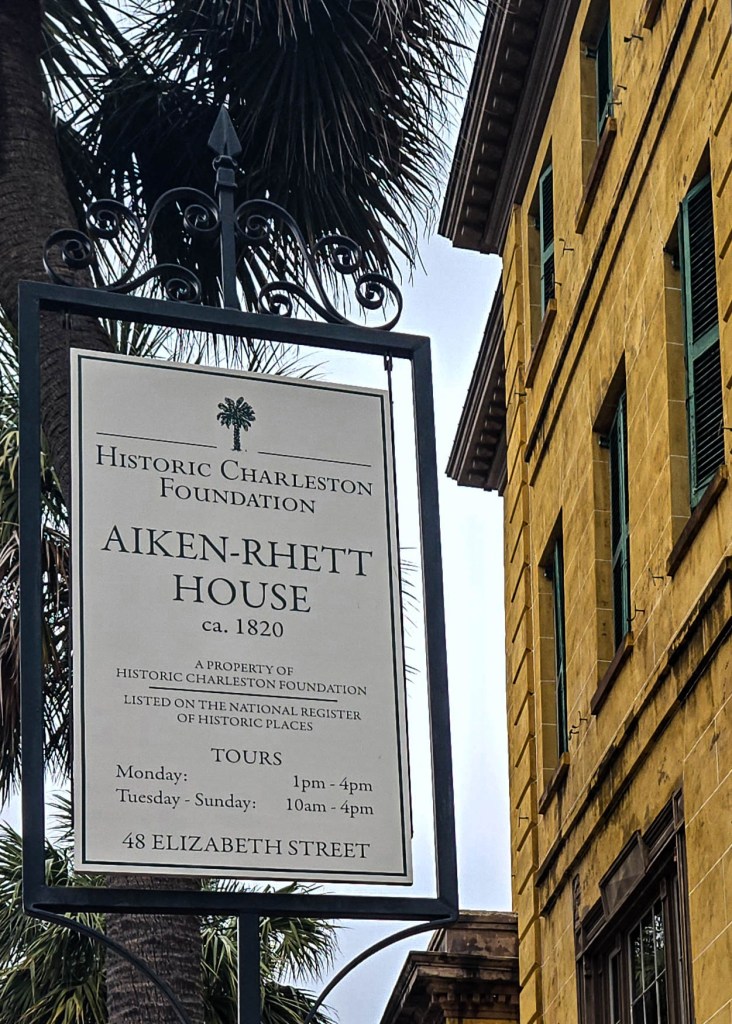
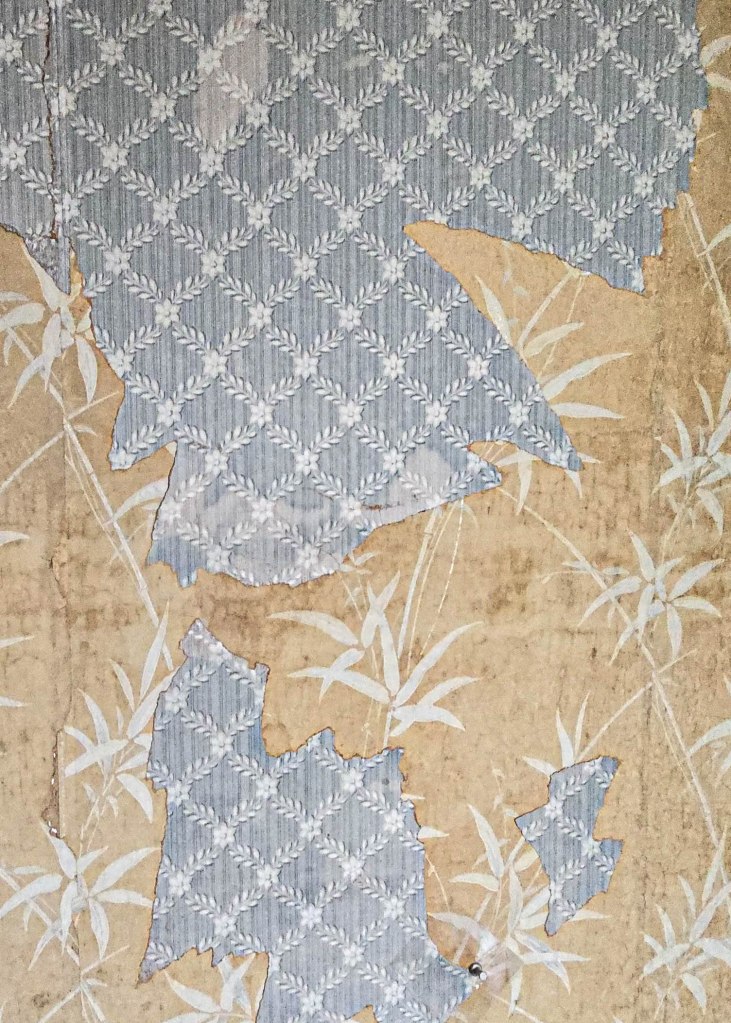
If you’ve seen my recent posts here and on Monochromia, you’ll know that I visited an antebellum mansion in Charleston, SC last month. The Aiken Rhett Museum, purchased by the Historic Foundation of Charleston, has decided to “preserve as found” rather than restore the home to it’s former beauty. If you look closely at the front entrance, you will see peeling paint and cracks in the marble.
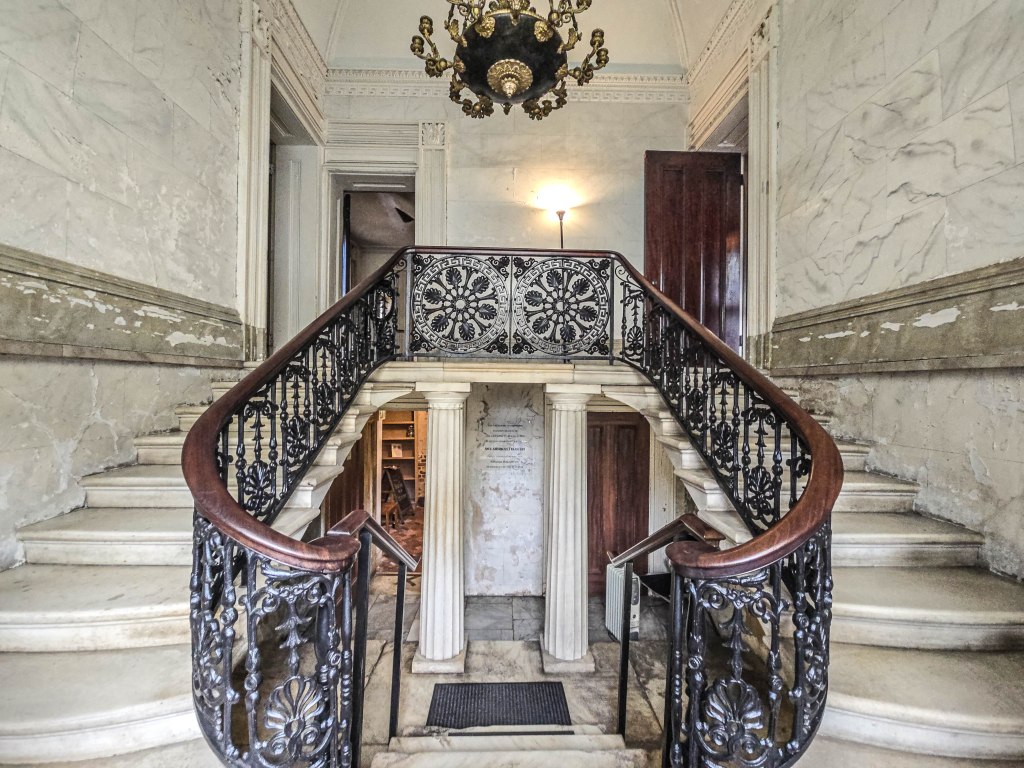
Seeing the structures as close to what they were almost 200 years ago, was fascinating, and in terms of the quarters of the enslaved, disturbing. Please see photos from those quarters here, here, and here.
From the website, we learn that the Historic Charleston Foundation assumed ownership of the property in 1995 and in adopting a preserved “as-found” preservation approach, the structure and contents are left in an “as-found” state, including furniture, architecture and finishes that have not been altered since the mid 19th century
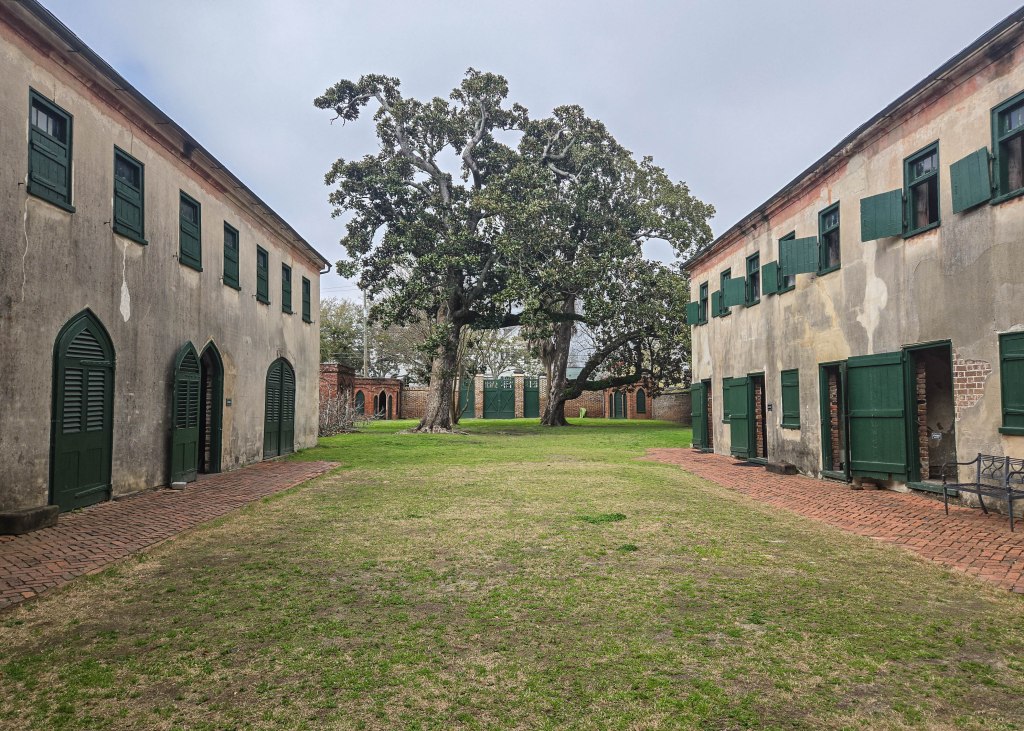
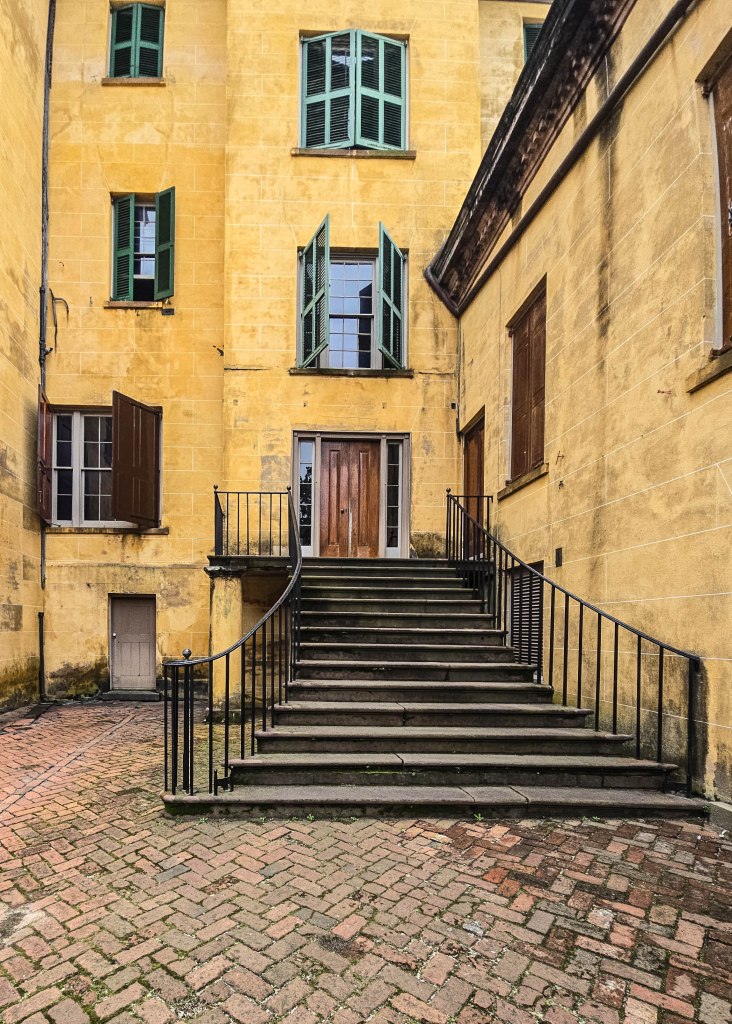
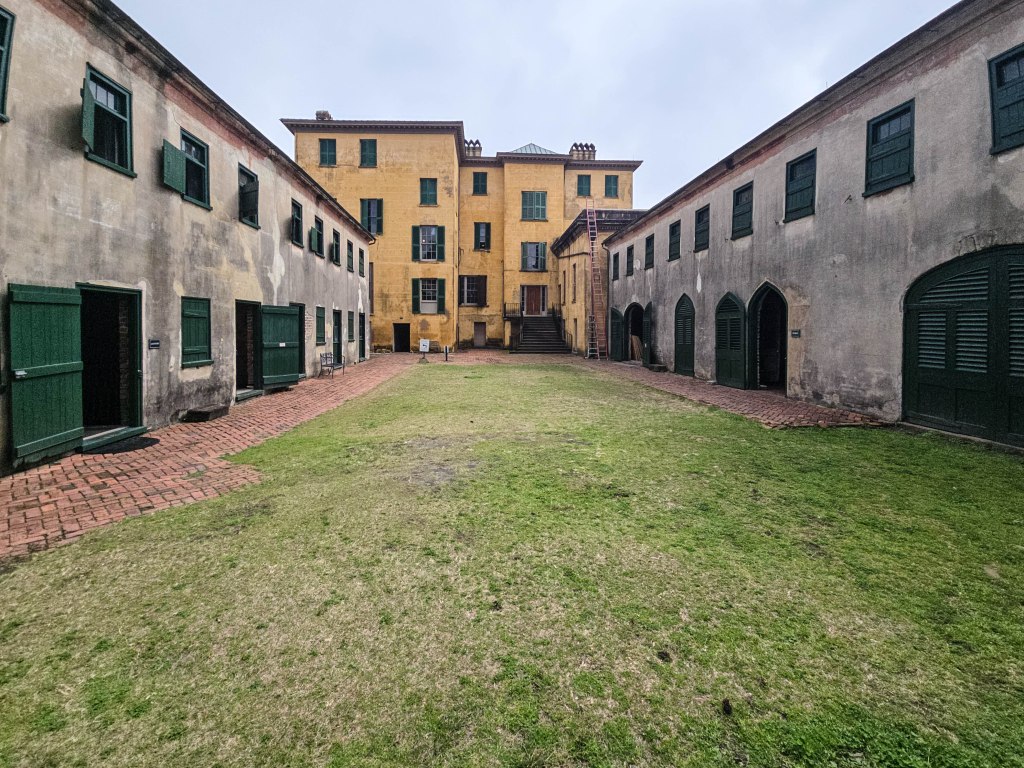
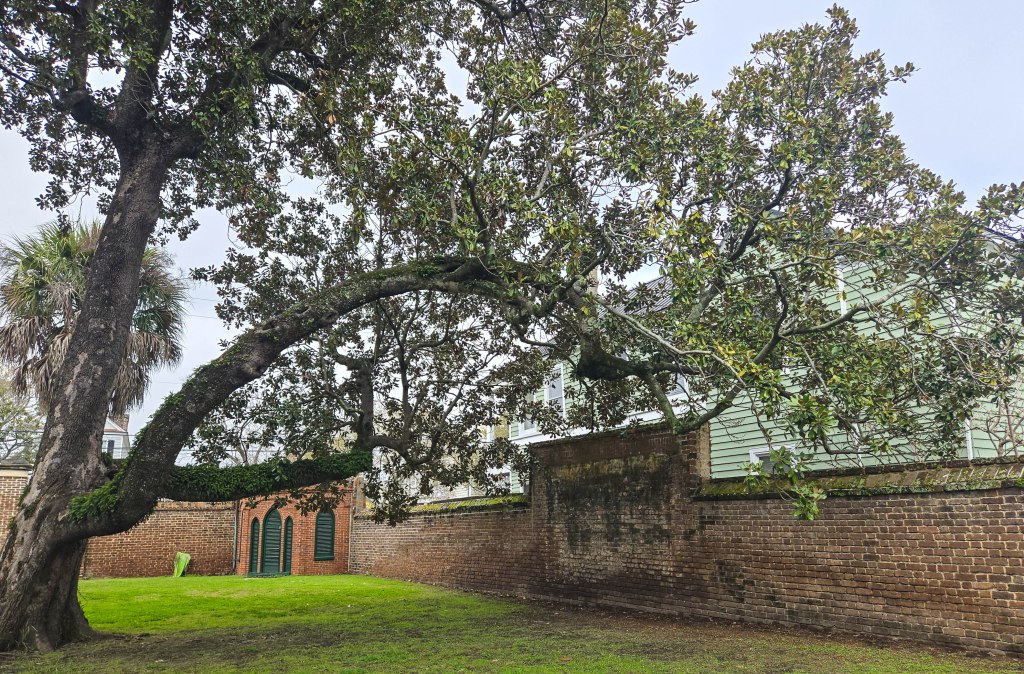
“The Aiken-Rhett House’s kitchen, laundry and quarters – with their original paint, floors and fixtures – survive virtually untouched since the 1850s, allowing visitors the unique chance to better comprehend the every-day realities of the enslaved Africans who lived on-site, maintained the household and catered to the needs of the Aiken family and their guests”.
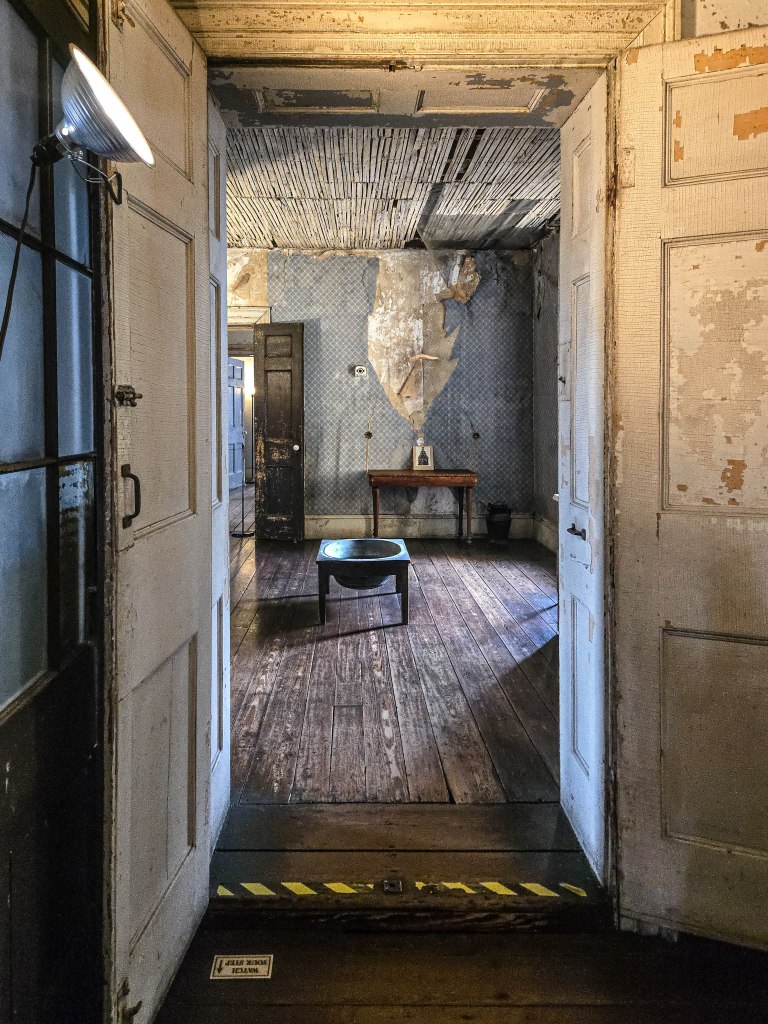
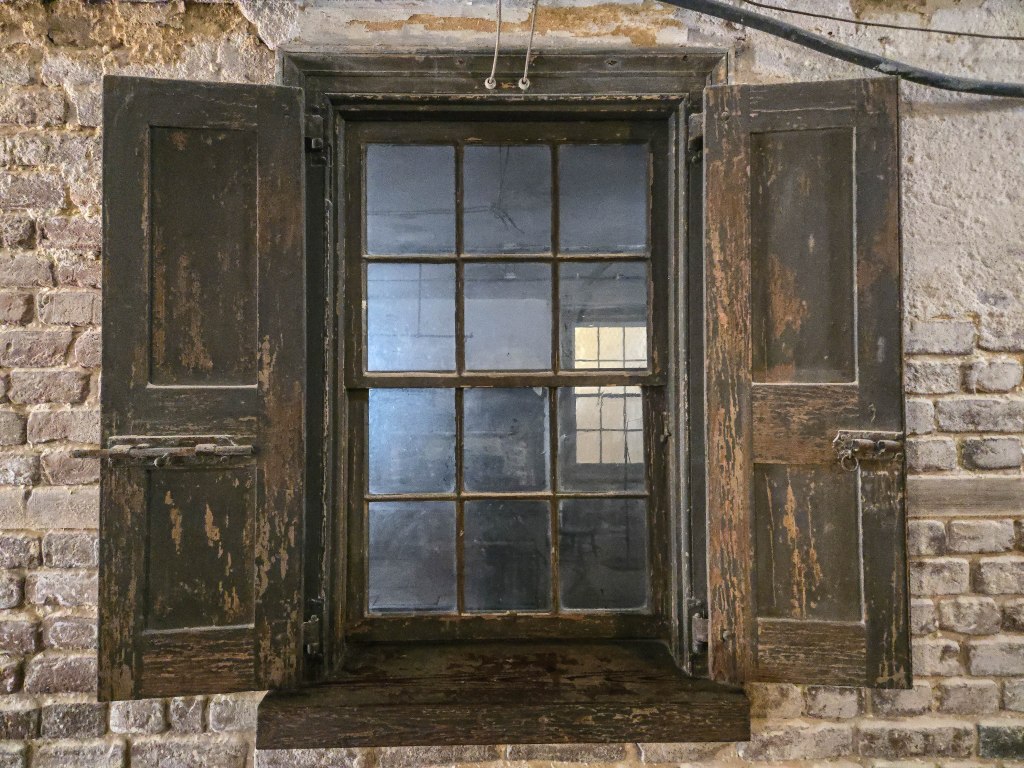
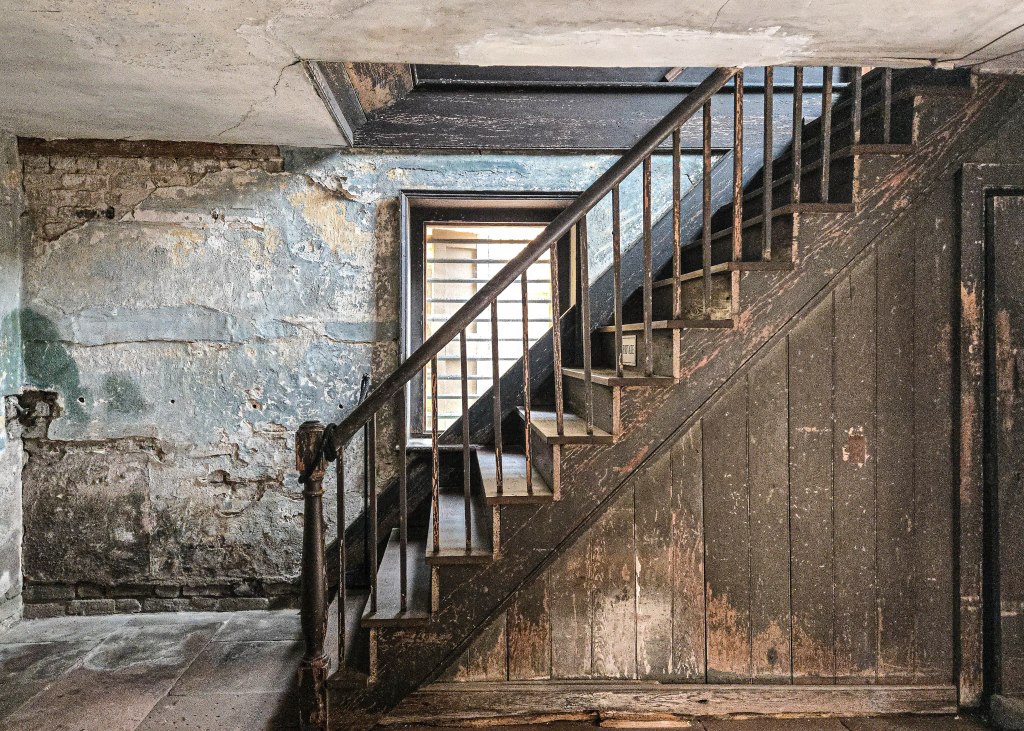
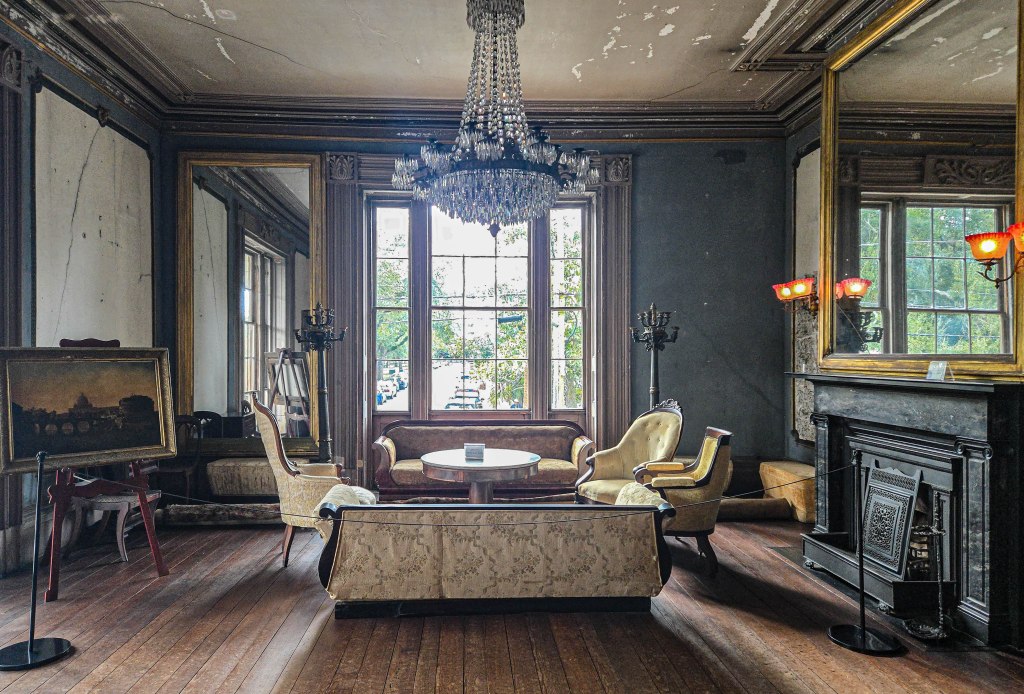
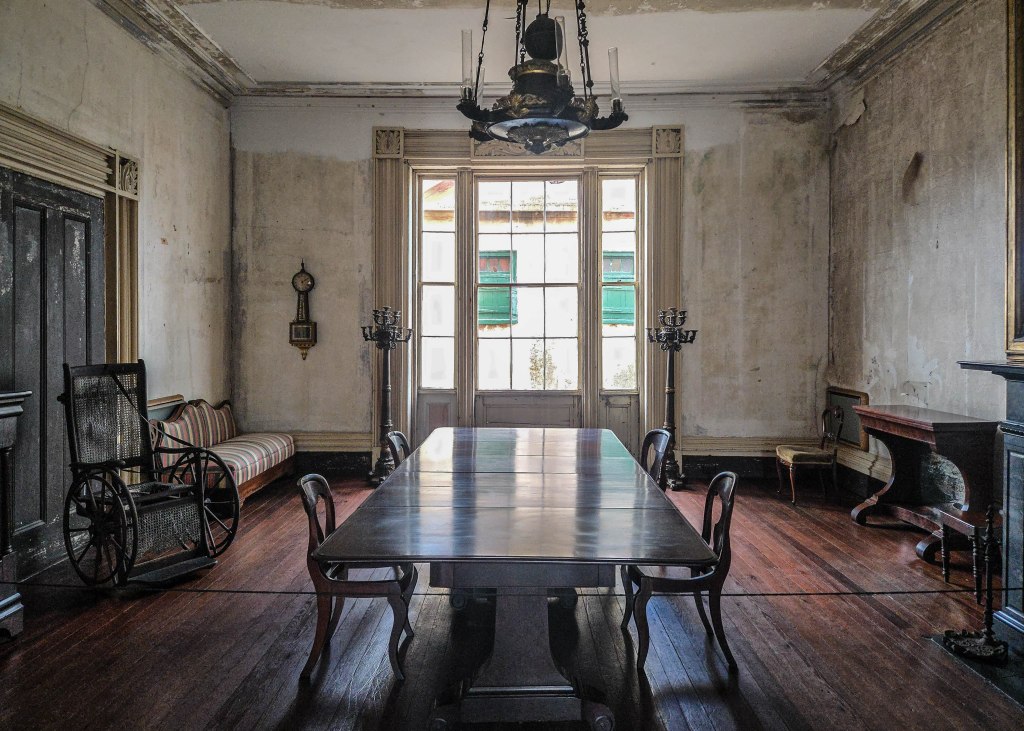
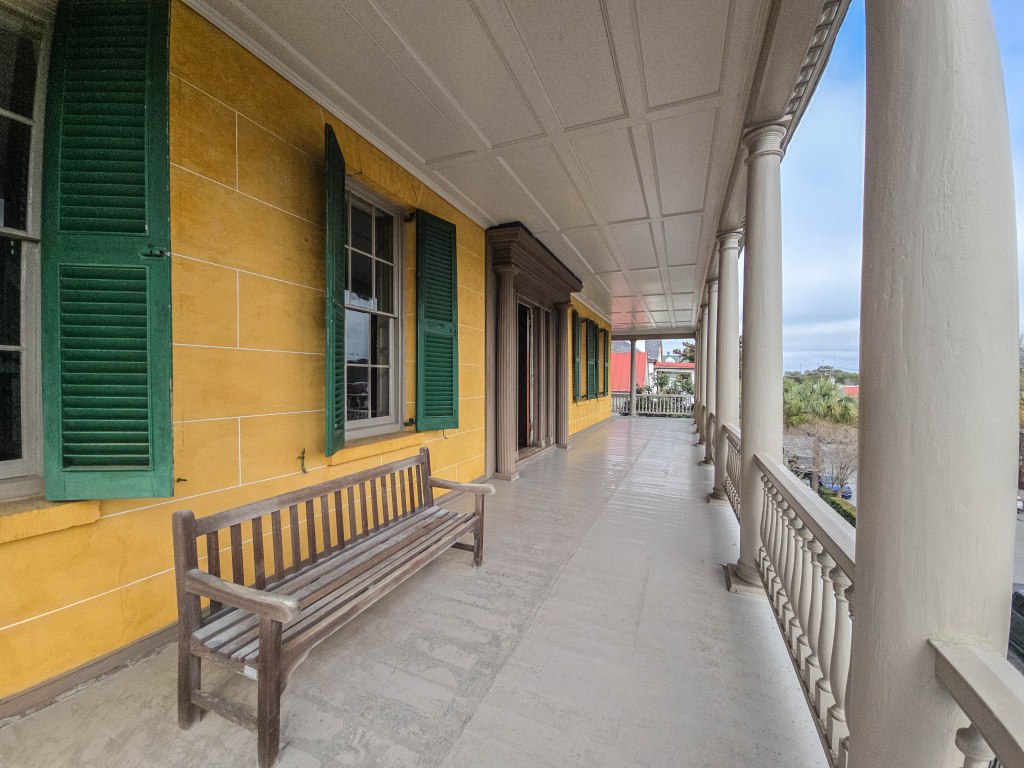
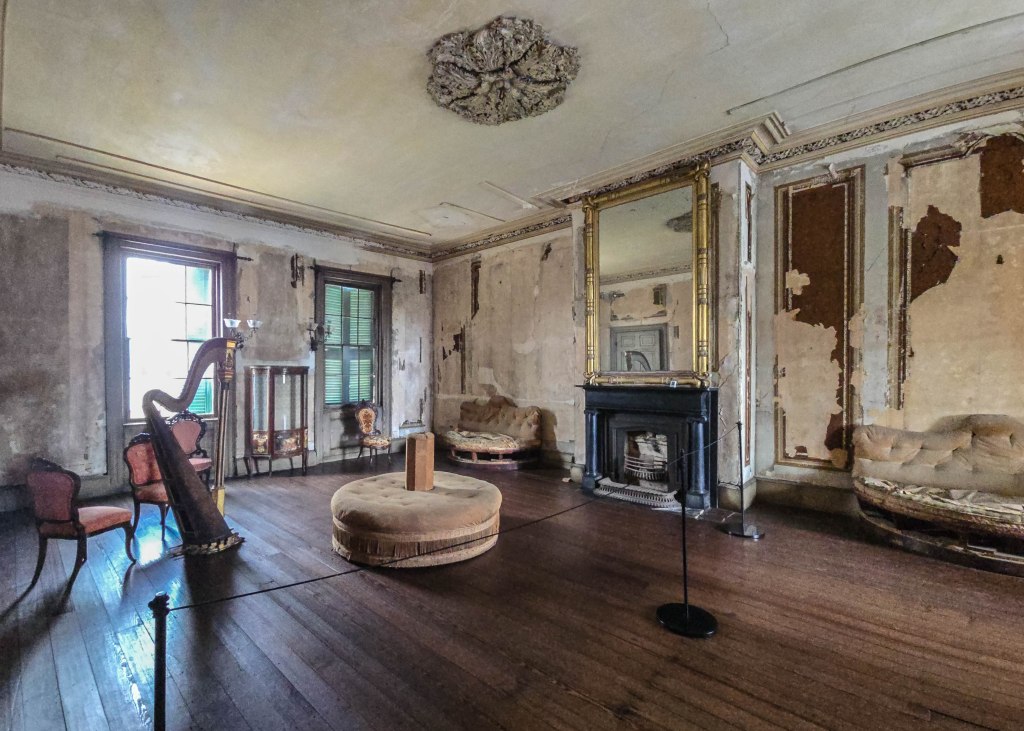
Our tour was a self guided audio tour and as the website notes “If these walls could talk… they’d tell you a compelling tale of urban life in antebellum Charleston through the eyes of the powerful and wealthy Governor and Mrs. William Aiken, Jr. and the enslaved Africans who maintained their house, property, and way of life”.
Charleston offers much in terms of cuisine, shopping, and history, and I was grateful that in the Aiken Rhett Museum Home, and in The Charleston Museum (the oldest in the country!), history is not being erased!
 Life on the Bike and other Fab Things